
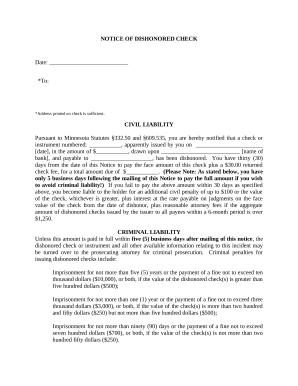
Civil Law - Page 9

Get and handle Civil Law online

Accelerate your document operations with our Civil Law online library with ready-made templates that suit your requirements. Access the form template, modify it, fill it, and share it with your contributors without breaking a sweat. Start working more effectively with the forms.

How to use our Civil Law:

  1. Open our Civil Law and search for the form you need.
  2. Preview your form to ensure it’s what you want, and click on Get Form to begin working on it.
  3. Alter, add new text, or highlight important information with DocHub features.
  4. Prepare your form and save the adjustments.
  5. Download or share your form with other people.

Discover all of the opportunities for your online document management with our Civil Law. Get your free free DocHub profile today!


Video Guide on Civil Law management

video background

Commonly Asked Questions about Civil Law

In many of the worlds legal systems, civil law refers to non-criminal law. Civil has a Latin root, civilis, which means relating to a society. This system of law has to do with interactions between members of a community, and it covers divorce, property rights, contracts, and other conflicts between people.
Civil law deals with behavior that constitutes an injury to an individual or other private party, such as a corporation. Examples are defamation (including libel and slander), bdocHub of contract, negligence resulting in injury or death, and property damage.
These are some of the most common types of cases to appear in civil court. Contract disputes occur when one or more parties who signed a contract cannot or will not fulfill their obligations.
The civil law system is often contrasted with the common law system, which originated in medieval England. Whereas the civil law takes the form of legal codes, the common law comes from uncodified case law that arises as a result of judicial decisions, recognising prior court decisions as legally binding precedent.
The terms common law and civil law refer to legal systems. A simple definition of the difference between common law and civil law is: A common law system is based on judicial precedent. A civil law system is based on legal codes.
General civil cases, usually involving suing someone for money in disputes over things like contracts, damage to property, or someone getting hurt. Family law cases such as divorce, child support, child custody, and adoptions.
Civil cases usually involve disputes between people or organizations while criminal cases allege a violation of a criminal law.
The American system is a common law system, which relies heavily on court precedent in formal adjudications. In our common law system, even when a statute is at issue, judicial determinations in earlier court cases are extremely critical to the courts resolution of the matter before it.