




01. Edit your form online
Type text, add images, blackout confidential details, add comments, highlights and more.

Type text, add images, blackout confidential details, add comments, highlights and more.

Draw your signature, type it, upload its image, or use your mobile device as a signature pad.

Send it via email, link, or fax. You can also download it, export it or print it out.
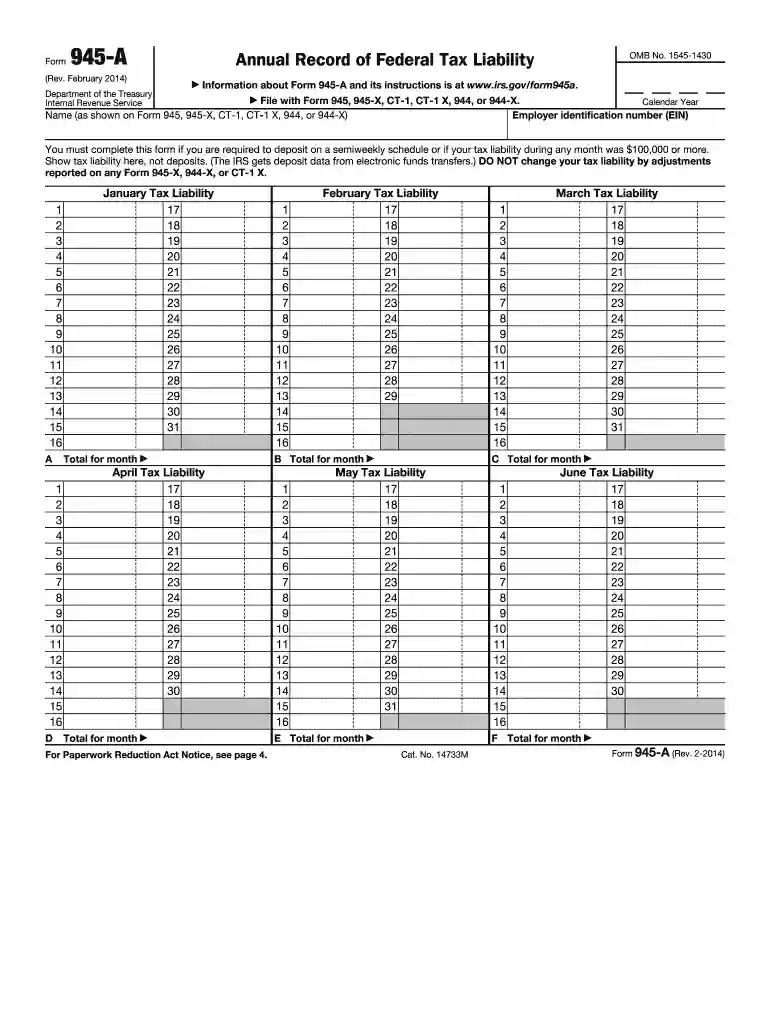
The "2011 Form Liability" refers to specific forms used to report and manage financial liabilities incurred in 2011. Typically relevant in contexts such as tax obligations or legal liabilities, these forms provide a structured way for individuals and businesses to declare their financial responsibilities to governmental or regulatory bodies. Understanding the purpose of these forms is crucial for ensuring compliance with applicable laws and regulations, which helps avoid potential penalties or legal disputes.
Using the 2011 form liability involves several steps that require careful attention to detail. First, identify all pertinent financial data from 2011. This includes income records, debts, and any relevant transactions. Next, accurately input this information into the designated fields of the form. Pay close attention to the instructions provided, as they guide the categorization and declaration of liabilities. Once completed, review the form for accuracy before submission. It's often helpful to consult with a financial advisor to ensure the correct interpretation and application of the form's requirements.
The form includes various elements that capture comprehensive financial information. Core components often include sections for personal identification, detailed reports of income, debts, and assets. It also contains fields that require specific information about the nature and sources of liabilities. Accurate completion of these sections is vital, as they form the basis for any subsequent legal or tax evaluations. Additionally, instructions on the form may include provisions for adjustments or amendments to previously reported liabilities, allowing for an accurate reflection of one's financial state as of 2011.
Obtaining the 2011 form liability typically involves accessing official sources like government websites or contacting relevant financial authorities. These forms are often available for download in a PDF format from official tax or regulatory websites. In some cases, you might need to visit a local government office to acquire a physical copy. Ensure authenticity by verifying with the issuing entity that the document is indeed legitimate. Having a direct contact with a tax agency or financial institution may also expedite the process.
Filing deadlines for the 2011 form liability are crucial to ensure compliance. Typically, these deadlines are aligned with fiscal or calendar years, often falling within specific months denoted by the issuing authority. Missing these deadlines can lead to penalties, so it's essential to coordinate your document preparation to meet these timelines. Check official communications or websites for any extensions that may be applicable, as these can occur due to changes in legislative requirements or extraordinary circumstances.
Failure to comply with the requirements or deadlines associated with the 2011 form liability can result in significant penalties. These may include fines or increased scrutiny from tax authorities. In some cases, persistent non-compliance can escalate to legal proceedings, impacting credit scores or resulting in legal action. It's imperative to adhere to all guidelines and deadlines to avoid these consequences, and keeping detailed records can provide a safety net should any discrepancies arise.
The IRS provides specific guidelines for completing and submitting the 2011 form liability. These guidelines are intended to ensure that all financial liabilities are reported correctly and that individuals and businesses comply with the legal requirements. It is important to adhere to these guidelines closely to avoid penalties. They provide detailed instructions on each section of the form, from definition of terms to the description of reporting procedures, making them an invaluable resource for filers.
Completing and submitting the 2011 form liability necessitates a range of documents. These typically include income statements, debt records, legal documents outlining liabilities, and receipts or records of relevant transactions from 2011. Ensuring all documents are readily available and organized is crucial for an efficient filing process. Without the proper documentation, accurately reporting financial responsibilities becomes challenging, which can lead to incomplete submissions and potential non-compliance issues.
We've got more versions of the 2011 form liability form. Select the right 2011 form liability version from the list and start editing it straight away!
At DocHub, your data security is our priority. We follow HIPAA, SOC2, GDPR, and other standards, so you can work on your documents with confidence.
This form will allow you to transfer billing responsibilities for a Verizon Wireless mobile telephone number (MTN). 1. Read the terms and conditions of thisRead more
Use this form to report your tax liability (federal income tax withheld plus both employee and employer social security and Medicare taxes). Do not show federalRead more
Feb 28, 2026 Indicate by check mark if the registrant is a well-known seasoned issuer, as defined in Rule 405 of the Securities Act. ☒ Yes ☐ No.Read more


