







Definition and Purpose
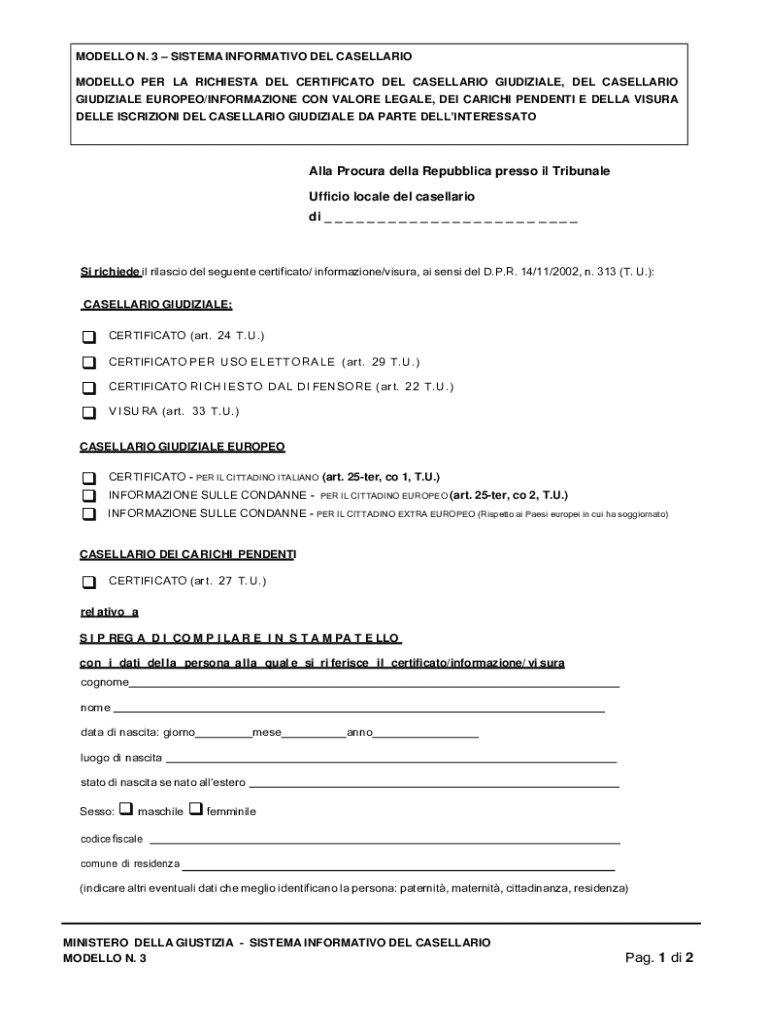
Understanding the Model 3 - Judicial Records Request Form
The Model 3 - Judicial Records Request Form serves as a formal document used for requesting judicial records, often required for legal and personal purposes. It facilitates access to various types of judicial documentation held by court systems. This form is designed to streamline the process of obtaining court records and ensures that the requested information is furnished as per legal guidelines.
- Types of Records: Typically covers court filings, judgments, and sometimes includes transcripts of court proceedings.
- Usage Scenarios: Lawyers, individuals seeking personal background checks, and entities requiring records for vetting or verification purposes.
The form plays a pivotal role in maintaining transparency and accessibility within the judicial system by providing a standardized method for requesting records.
How to Obtain the Model 3 - Judicial Records Request Form
Accessing the Form
Gaining access to the Model 3 form can differ based on the jurisdiction in which you are operating. Generally, these forms are available through court websites or at court clerks' offices.
- Online Access: Many courts provide downloadable PDFs of the form on their official websites. Checking the specific court's site in your jurisdiction is the most direct way to locate the form.
- Physical Availability: Hard copies are available at the courthouse. It’s advisable to contact the courthouse in advance to ensure forms are in stock and understand any current method to obtain them due to COVID-19 protocols.
Essential Details for Form Access
- Jurisdiction Requirements: Ensure that you have jurisdiction-specific information, as each court might have different styles or ways of issuing these forms.
- Cost and Fees: There may be a fee involved for processing or obtaining the form — this varies depending on local court administrative rules.
Steps to Complete the Model 3 - Judicial Records Request Form
Detailed Instructions for Form Completion
-
Personal Information: Start by filling out your personal details, including your full name, contact number, and mailing address. Make sure the information matches official records to avoid delays.
-
Specify Records: Clearly list the type of record you are requesting. Provide any case numbers or relevant references to help expedite the search.
-
Purpose of Request: Some jurisdictions may require you to state why you need the records. Being specific about your reason can aid the processing time.
-
Signature and Date: Provide your signature alongside the date of completion to validate the form.
-
Submit the Completed Form: Depending on the court, this may be done online, via mail, or in person. Ensure that all sections are accurately filled to avert complications.
Important Considerations
- Completeness: Double-check for any missing information or attachments, such as identification copies, which can be crucial for processing.
- Legal Language: Be aware that legal terminologies in the form may require clarification; consulting with a legal advisor may be beneficial.
Key Elements of the Model 3 - Judicial Records Request Form
Principal Components and Focus Areas
- Requestor Information: Includes fields for detailing the identity of the person requesting the information.
- Case Details Section: Requires exact information about the specific case or record being requested.
- Authority Contact: Specifies the name of the court or the authorized official responsible for releasing the documents.
- Acknowledgment: Section where the requestor confirms awareness of any legal obligations related to misuse of the requested records.
Specific Fields Explained
- Confidentiality Acknowledgment: Many forms include a section where you agree to maintain the confidentiality of sensitive information, where applicable.
- Records Retrieval Timeline: Informs you about the anticipated processing time once the form is submitted.
Legal Use of the Model 3 - Judicial Records Request Form
Judicial Appropriateness
The form must be used in accordance with legal guidelines to ensure compliance with judicial processes:
- Permissible Use: Primarily for informational purposes in legal, background checks, or verification contexts. Misuse can lead to legal implications.
- Privacy Laws: Adherence to privacy laws and guidelines, such as the Freedom of Information Act (FOIA), is vital to the lawful use of requested records.
Examples of Legal Implications
- In cases where sensitive information is disclosed without consent, penalties or other legal repercussions can occur.
- Requests related to ongoing litigation must follow strict court protocols to prevent potential bias or breach of legal procedures.
State-Specific Rules for the Model 3 - Judicial Records Request Form
Jurisdictional Variations
Several U.S. states have specific rules that can impact how the form is completed and processed:
- California: Additional requirements for identity verification for high-profile court cases.
- New York: Offers expedited processing for certain urgent civil litigation cases.
- Texas: May require notarization of the requestor’s signature in certain counties.
Practical Tips
- Check Local Resources: Before submission, always check state-specific court websites or contact court offices for any nuanced differences in form requirements.
- Updating Procedures: Be aware that legislative changes can alter requirements, so stay informed on current guidelines.
Who Typically Uses the Model 3 - Judicial Records Request Form


Typical Users
The form is used by a variety of individuals and organizations, each with specific needs and situations:
- Legal Professionals: Attorneys routinely use this form for accessing court records as part of case preparation.
- Private Investigators: Involved in background checks and due diligence processes.
- Businesses and Employers: Corporate entities may use the form for vetting potential employees or partners.
Diverse User Scenarios
- Public Records Researchers: Use the form as part of gathering data for various research projects.
- Individuals: Private citizens may require the form for personal matters, such as verifying one's record status or family legal cases.
Important Terms Related to Model 3 - Judicial Records Request Form
Terminology Breakdown
Understanding the language typically found in or associated with the form is crucial for correct interpretation and use:
- Petition: A formal written request to a court.
- Docket Number: Unique number assigned to a case for administrative purposes.
- Jurisdiction: The official power to make legal decisions and judgments, often geographical or subject matter based.
Clarifying Common Terms
- Sealed Records: Documents not accessible to the general public, which require special permission to view.
- Expungement: The legal process of removing or sealing past criminal records.
Understanding these terms ensures successful navigation and completion of the Model 3 - Judicial Records Request Form.




