




01. Edit your form online
Type text, add images, blackout confidential details, add comments, highlights and more.

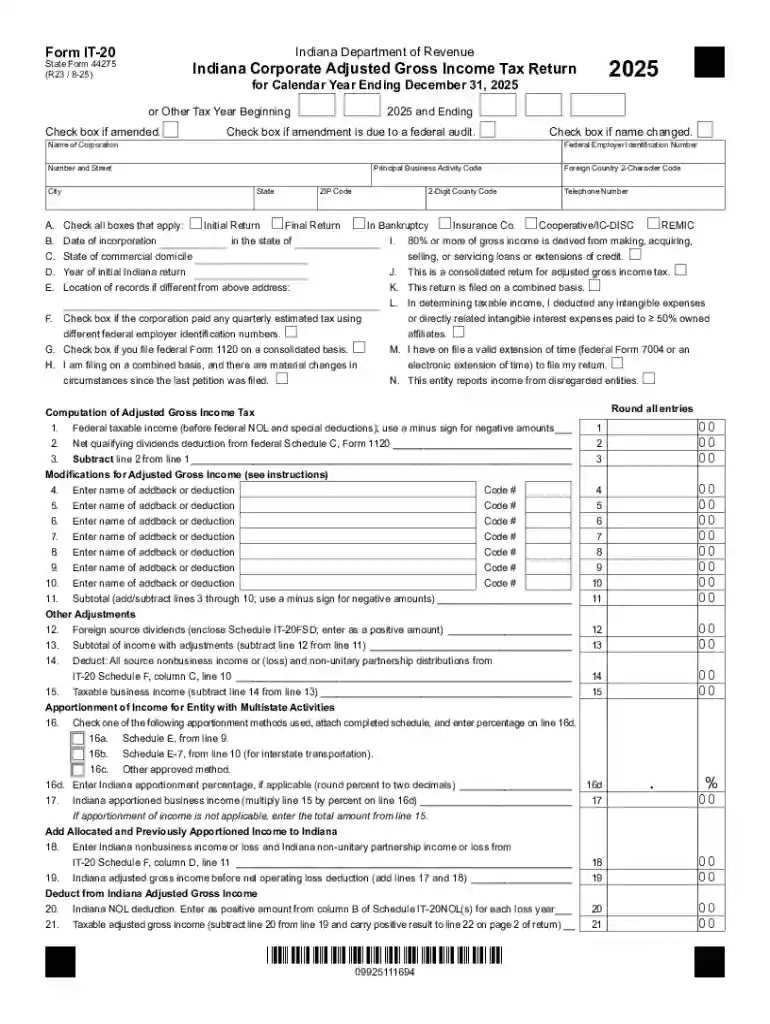
Type text, add images, blackout confidential details, add comments, highlights and more.

Draw your signature, type it, upload its image, or use your mobile device as a signature pad.

Send it via email, link, or fax. You can also download it, export it or print it out.
Indiana State Tax Information - Support refers to the resources and guidance provided for individuals and businesses regarding state tax processes and regulations in Indiana. This includes information about tax filing, payment methods, forms, and assistance for resolving tax issues.
Individuals and businesses can use these resources to ensure compliance with state tax laws, understand filing requirements, and navigate tax-related challenges effectively.
Indiana State Tax Information is intended to guide taxpayers in meeting state tax obligations legally. Unauthorized use for avoiding taxes or committing fraud is strictly prohibited and may lead to legal consequences.
Staying informed of these dates helps prevent late fees and penalties.
Taxpayers can use the INfreefile service for eligible residents or e-file through tax software compatible with Indiana to streamline submission.
Forms can be mailed to the Indiana Department of Revenue's address as specified on their form instructions.
Failing to file or pay Indiana state taxes on time can result in penalties, including:
Understanding these penalties encourages timely compliance and aids in avoiding additional charges.
Both digital and paper forms are available, but using digital forms often offers:
Many taxpayers prefer the digital option for efficiency and ease-of-use.
Indiana state tax forms are compatible with popular tax preparation software, allowing users to import data seamlessly and ensure compliance with state regulations:
These tools support accurate and efficient tax filing, reducing the burden on taxpayers.
We've got more versions of the Indiana State Tax Information - Support form. Select the right Indiana State Tax Information - Support version from the list and start editing it straight away!
At DocHub, your data security is our priority. We follow HIPAA, SOC2, GDPR, and other standards, so you can work on your documents with confidence.




If you need help accessing the state or federal forms, contact Government Information, Maps, and Microform Services at (812) 855-6924 (libgimms@indiana.edu).Read more
Feb 1, 2018 Use Form 7004 to request an automatic extension of time to file certain business income tax, information, and other returns. Revenue Service,Read more
Contact Us by Phone. General Questions Appeals 317-232-2100. MondayFriday 8 a.m.4:30 p.m. ET Contact Us by Mail. Indiana Department of Revenue Attn: LegalRead more


