







Definition & Meaning
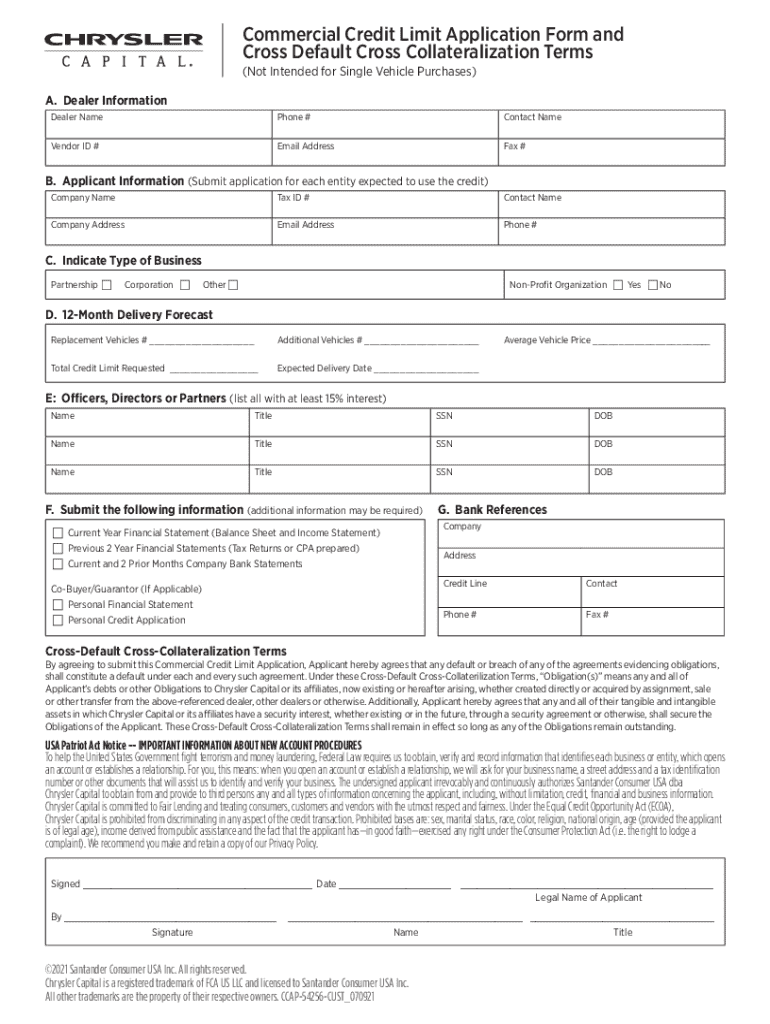
Cross-default and cross-collateralization are financial arrangements often included in loan agreements to manage risk and improve capital security. Cross-default refers to a provision stating that a default on one loan could trigger a default on another loan within the same borrowing entity. Cross-collateralization involves using the same assets as collateral for multiple debts. These mechanisms are used to protect lenders by ensuring that a borrower’s financial responsibility across various obligations is closely linked. In the context of a "cross-default-cross-collateralization-form", these terms are combined to create a legal agreement outlining how these provisions operate jointly to safeguard the lender's interests.
How to Use the Cross-Default-Cross-Collateralization Form
Utilizing the cross-default-cross-collateralization form involves several key steps that ensure the agreement is legally binding and effective. This form is primarily used in complex financial arrangements where multiple loans or secured assets are involved. Here is a basic step-by-step guide on how to fill out the form:
-
Identify the Loans and Collateral: Clearly define each loan and associated collateral, ensuring they are accurately described to prevent legal discrepancies.
-
Link the Obligations: Specify how defaults are cross-applied between loans, detailing the conditions under which one default triggers another.
-
Agree on Terms: Include terms agreed upon by all parties, such as interest rates, repayment schedules, and conditions for collateral use.
-
Legal Verification: Ensure that the form complies with applicable legal standards, which might require consultation with a legal professional.
Steps to Complete the Cross-Default-Cross-Collateralization Form
Completing the cross-default-cross-collateralization form requires detailed attention to each section to ensure legality and clarity. Below are steps to complete the form:
-
Gather Required Information: Collect all necessary details, such as loan numbers, borrower information, and specifics on collateral.
-
Complete the Identification Section: Enter personal details of the borrower and lender, including names and addresses.
-
Outline Defaults and Collateral Details: Clearly state the terms, including what constitutes a default and how collateral is applied.
-
Review the Conditions: Double-check all terms and ensure that they reflect the intended agreement between both parties.
-
Obtain Signatures: Both parties must sign the document to validate the agreement, with witness signatures if required for additional verification.
Why Should You Use a Cross-Default-Cross-Collateralization Form
The use of a cross-default-cross-collateralization form is crucial for multiple reasons, particularly for lenders:
-
Risk Mitigation: It minimizes risks associated with lending by tying multiple loans and collateral, thus reducing the likelihood of unreciprocated financial losses.
-
Enhanced Borrower Accountability: It holds borrowers accountable across different loans, ensuring that a default on one loan impacts their broader financial commitments.
-
Streamlined Legal Processes: Creates a standard legal framework that simplifies dealings across varied financial obligations.
Important Terms Related to the Cross-Default-Cross-Collateralization Form
Understanding key terms related to cross-default and cross-collateralization is essential for proper use of the form:
-
Default: Failure to meet the legal obligations (or conditions) of a loan.
-
Collateral: Assets pledged as security for repayment of a loan.
-
Secured Loan: A loan in which the borrower pledges some asset as collateral.
Legal Use of the Cross-Default-Cross-Collateralization Form
The legal use of this form ensures compliance with state and federal regulations. Legal professionals typically draft these forms to ensure all conditions are enforceable in court. This includes adherence to the USA Patriot Act and the Equal Credit Opportunity Act, ensuring different compliance facets are met.
-
Professional Drafting: Often drafted by financial or legal experts to prevent legal challenges.
-
Adherence to Legal Standards: Must comply with relevant industry regulations.
Who Typically Uses the Cross-Default-Cross-Collateralization Form
Various entities use this form, each benefiting differently from its provisions:
-
Financial Institutions: Banks and lending institutions often use these forms for corporate loans to reduce their exposure to risk.
-
Large Corporations: Businesses with multiple debt obligations might employ these forms to streamline debt management.
-
Legal Firms: Used by legal professionals to draft binding documents that protect lender rights.


Key Elements of the Cross-Default-Cross-Collateralization Form
The key elements involve outlining defaults, collaterals, and the relationship between them:
-
Identification: Names and roles of parties involved.
-
Loan Details: Information on loans and associated collateral.
-
Default Provisions: Conditions that trigger defaults across obligations.
-
Legal Compliance: Ensures alignment with statutory requirements.
Each section must be completed thoroughly to ensure the form serves its purpose effectively and legally.




