



Definition & Meaning
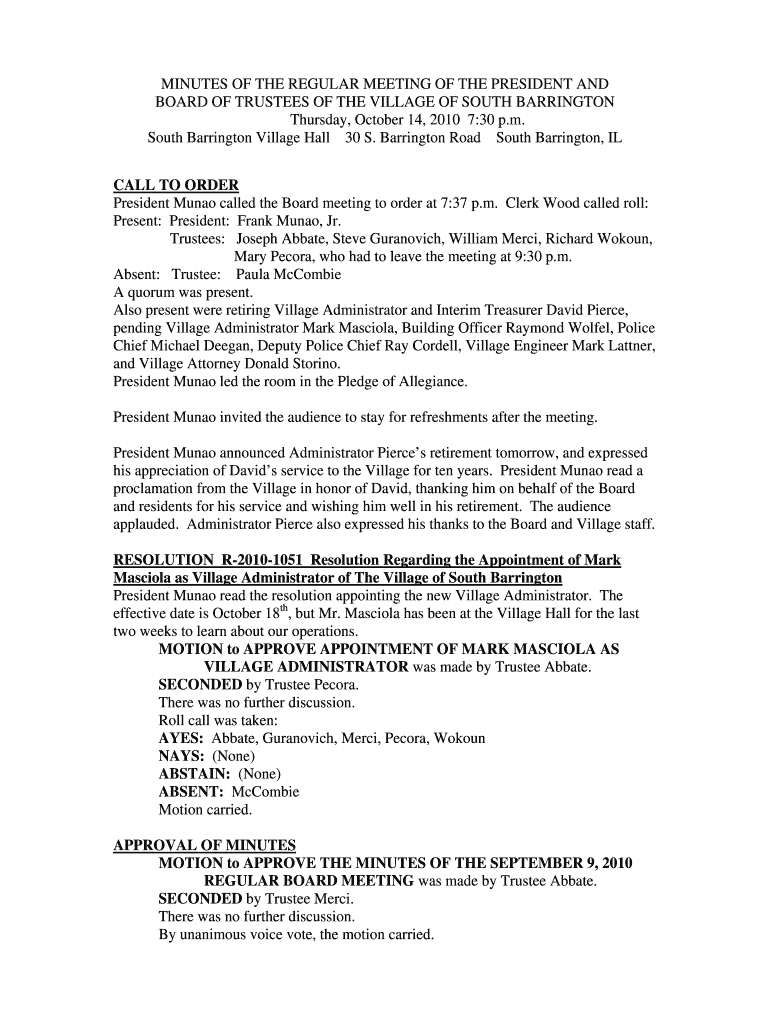
The document titled "Clerk Wood called roll - southbarrington" likely refers to a formal record or transcript from an official meeting held in the Village of South Barrington. Such documents typically provide a verbatim account of the meeting proceedings, including attendance, motions made, discussions, and voting results. The title implies that Clerk Wood, presumably an official responsible for recording the minutes, conducted a roll call to verify the presence of members at the meeting. This roll call is an essential procedural step in confirming a quorum, which is the minimum number of members required to conduct official business.
How to Use the Document
To use the "Clerk Wood called roll - southbarrington" document effectively, one should first identify its purpose. Minutes from such meetings are typically used for auditing decisions, verifying attendance, and understanding municipal proceedings.
- Review Attendance: Check the roll call section to confirm which members were present.
- Track Decisions: Look for sections detailing motions and resolutions to understand what was discussed and decided.
- Reference Public Comments: If applicable, review any public comments or inputs that might have influenced decisions.
- Analyze Voting Records: Understand how votes were cast to determine support or opposition on various issues.
Steps to Complete the Form
If the document included a form component (though it likely doesn't require completion), the following steps could be applied to similar administrative forms:
- Read Instructions Carefully: Before completing any sections, ensure you understand the requirements.
- Provide Accurate Information: Fill in personal or organizational details precisely as requested.
- Follow Legal Protocols: For meeting documentation, ensure compliance with local government regulations.
- Submit for Approval: After completion, submit the document to the appropriate authorities for verification.
Key Elements of the Document
Several key elements can be identified within a typical roll call document from a municipal meeting:
- Clerk's Roll Call: Records of members present or absent.
- Agenda Items: List of topics scheduled for discussion.
- Discussion Summaries: Concise recaps of deliberations on agenda items.
- Decision Records: Documented outcomes and approved resolutions.
- Public Participation: Entries noting public contributions or queries.
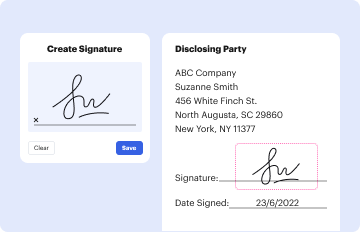
- Signatures of Approval: Sign-offs by officials confirming the accuracy of the minutes.
Who Typically Uses the Document
Documents like "Clerk Wood called roll - southbarrington" are primarily used by:
- Municipal Employees: For record-keeping and administrative purposes.
- Elected Officials: To track legislative actions and verify procedural compliance.
- Legal Professionals: As evidence in legal matters or compliance checks.
- Researchers and Historians: To study local governance and community issues.
- Citizens: For transparency and civic engagement, allowing residents to stay informed about local government actions.

Legal Use of the Document
The document serves several legal functions and can be used in the following ways:
- Official Record: It acts as a legal document verifying the decisions and actions taken during the meeting.
- Compliance Check: Ensures the meeting complied with all procedural and legal obligations as required by law.
- Dispute Resolution: Can be referenced in legal disputes to confirm what transpired during the meeting.
- Auditing: Used for internal and external audits to ensure proper governance.
Important Terms Related to the Document
Familiarizing oneself with these terms is crucial:
- Quorum: Minimum number of members needed for valid meeting proceedings.
- Motion: A formal proposal put forward for discussion and decision.
- Resolution: A formal expression of opinion or intention agreed upon by the meeting body.
- Minutes: The record of proceedings kept by the clerk.
- Call to Order: The official start of the meeting.
State-Specific Rules for the Document
Rules for maintaining and using such documents can vary by state. In Illinois, for example:
- Open Meetings Act: Requires meetings of governmental bodies to be open to the public and properly recorded.
- Transparency Laws: Mandate that minutes be available to the public, ensuring governmental transparency.
- Record Retention Laws: Specify how long documents must be stored and accessible for review.