Definition and Purpose of the Yearly Income and Expenses for Rental Property
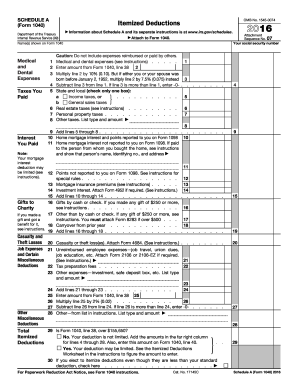
The "Yearly Income and Expenses for Rental Property" form serves as a comprehensive document for rental property owners to meticulously track and report financial transactions associated with their property. This form is essential not only for maintaining transparency and accuracy in financial records but also for ensuring compliance with tax obligations. By documenting income streams and expenses, property owners can calculate net earnings, optimize tax deductions, and demonstrate financial health to potential investors or auditors.
Understanding the Financial Components
- Rental Income: Captures all revenue generated from renting out the property, including lease payments and any ancillary charges such as late fees.
- Operating Expenses: Encompasses recurring costs like property management fees, utility bills, maintenance, and insurance premiums.
- Capital Expenditures: Records large-scale investments aimed at improving or upgrading the property, which are capitalized and depreciated over time rather than expensed immediately.
How to Use the Yearly Income and Expenses for Rental Property Form
To maximize the utility of this form, rental property owners should follow a methodical approach to data entry and record-keeping. Proper utilization involves:
- Consistent Record-Keeping: Input all pertinent transactions promptly to ensure no financial activity is overlooked.
- Categorization of Expenses: Carefully classify each expense type to align with IRS guidelines, ensuring unambiguous documentation.
- Verification of Incomes: Confirm all income entries against bank statements and rental agreements to prevent inaccuracies.
Steps to Complete the Yearly Income and Expenses for Rental Property Form
Completing the form involves a sequence of detailed steps:
- Gather Required Information: Compile lease agreements, invoices, bank statements, and receipts.
- Complete Personal and Property Information: Input your personal details and property address.
- Document Income and Expenses: Enter total income, followed by a detailed breakdown of each expense category.
- Review and Submit: Cross-check all entries for errors, ensuring alignment with corresponding financial documents before submission.
Key Elements of the Yearly Income and Expenses for Rental Property
The form is structured to facilitate comprehensive data capture across several crucial segments:
- Personal Information: Basic identification details for the taxpayer or entity.
- Income Details: Includes rental payments and any additional earnings associated with the property.
- Expense Categories: Broken down into operational, capital, and miscellaneous expenditures related to property management.
- Tax Deductions: Specific sections designed to facilitate the calculation and reporting of allowable deductions.
Legal Use of the Yearly Income and Expenses for Rental Property Form
Adherence to legal frameworks is paramount when utilizing this form:
- Compliance with IRS Regulations: All entries should be accurate and reflect true financial activities to meet IRS requirements.
- Security of Information: Implement data protection measures to safeguard sensitive financial information against unauthorized access.
Who Typically Uses the Yearly Income and Expenses for Rental Property Form
Primary users include:
- Individual Property Owners: Those managing standalone properties or small portfolios.
- Real Estate Investment Companies: Firms overseeing multiple properties as part of a broader investment strategy.
- Property Management Entities: Organizations responsible for handling day-to-day operations and financial documentation for property owners.


IRS Guidelines for Yearly Income and Expenses for Rental Property
For compliance and optimal tax benefits, adherence to specific IRS guidelines is critical:
- Accurate Income Reporting: All received income should be declared to avoid discrepancies during audits.
- Expense Deduction Eligibility: Only legitimate expenses directly related to property operation and maintenance are deductible.
- Depreciation Understanding: Correct calculation and documentation of property depreciation over its useful life.
Required Documents for Filing
To ensure accurate completion, have the following documentation readily available:
- Lease Agreements: Contracts outlining tenant terms and agreements.
- Receipts and Invoices: Proof of payments for repairs, maintenance, and services rendered.
- Bank Statements: Documentation verifying income deposits and expense payments.
The comprehensive approach to managing and documenting yearly income and expenses for rental properties not only ensures regulatory compliance but also provides property owners with insightful data to optimize their investment strategies.