



Definition & Meaning of a PROPOSAL
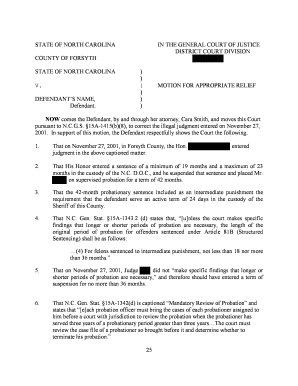
A proposal is a formal document intended to outline a project, plan, or suggestion. It is utilized across various sectors to communicate and gain approval for initiatives or changes. Proposals generally include necessary details such as the scope, objectives, timelines, costs, and benefits associated with the intended project. An effective proposal clearly presents its objectives to ensure stakeholders understand the value and impact of what is being proposed. Additionally, proposals can also set the foundation for business agreements and contracts when successfully accepted.
Steps to Complete the PROPOSAL
Completing a proposal involves a series of methodical steps to ensure that the document is comprehensive and persuasive. These steps typically include:
-
Identify the Purpose and Audience: Understand the main objective of the proposal and who will review it. Tailoring the content for the audience increases the likelihood of acceptance.
-
Research and Data Collection: Gather necessary data, including market research, financial data, and feasibility studies, to support your proposal.
-
Outline the Structure: Plan the sections of the proposal. Common sections include an introduction, problem statement, objectives, methodology, timeline, and financial details.
-
Write the Proposal: Draft each section, ensuring clarity and coherence. Highlight the benefits and expected outcomes.
-
Review and Revise: Proofread for accuracy and revise for clarity and persuasiveness. Consider seeking feedback from colleagues or stakeholders.
-
Finalize and Submit: Ensure all elements are complete and submit the proposal to the relevant parties.
How to Obtain the PROPOSAL
Obtaining a proposal template or guide typically requires identifying resources and places where these documents are available:
- Online Resources: Many websites offer downloadable proposal templates that can be customized to fit specific needs.
- Professional Associations: Industry-specific associations often provide template guides to standardize proposals in their field.
- Internal Templates: Many organizations have internal templates for creating proposals, ensuring consistency across submissions.
Ensure the template you choose allows for sufficient customization to meet the specific needs of your project.
Key Elements of the PROPOSAL
A well-developed proposal contains several key elements that contribute to its effectiveness:
- Title Page: Provides the title of the proposal, date, and submitting party.
- Executive Summary: Offers a concise overview of the main points, objectives, and recommendations.
- Introduction: Sets the context and presents the necessity of the proposal.
- Problem Statement: Clearly identifies the issue the proposal aims to address.
- Objectives: Outlines specific goals and desired outcomes of the proposal.
- Methodology and Approach: Describes the proposed methods and actions to achieve the objectives.
- Qualifications: Highlights the expertise and experience of those involved in executing the proposal.
- Budget: Details the financial implications, including costs and projected benefits.
- Timeline: Specifies the timeframe for execution and completion of the proposal’s initiatives.
- Conclusion: Summarizes the proposal’s key points and encourages acceptance.
Legal Use of the PROPOSAL
Ensuring that a proposal adheres to legal standards is crucial for its acceptance and implementation:
- Compliance with Regulations: The proposal must align with industry-specific regulations and laws.
- Non-Discrimination Clauses: Include clauses to ensure compliance with federal, state, and local non-discrimination laws.
- Contractual Terms: If the proposal leads to agreements, ensure that all contractual terms are clearly defined.
Consulting with a legal advisor or attorney may be beneficial to ensure the proposal meets all necessary legal requirements.
Examples of Using the PROPOSAL
In practice, proposals are used in various scenarios, including:
- Business Proposals: Presented to investors or partners for funding or partnerships.
- Project Proposals: Used within organizations to suggest new projects or changes to existing operations.
- Grant Proposals: Submitted to funding bodies to obtain financial grants for research or community projects.
- Academic Proposals: Used to outline research plans or submissions to academic conferences.
Each type of proposal is crafted to meet the specific requirements and expectations of its intended audience.
Important Terms Related to PROPOSAL
Understanding the terminology related to proposals can facilitate better communication:
- Stakeholders: Individuals or groups with an interest in the proposal's outcomes.
- Deliverables: Specific outcomes or products that result from the proposal's initiatives.
- Feasibility Study: An analysis to determine the viability and potential success of a project.
- Scope: The boundaries and extent of what the proposal will cover.
Familiarity with these terms can ensure clarity and precision in proposal development and discussions.
State-Specific Rules for the PROPOSAL
Different states may have specific rules and guidelines that affect how proposals are prepared and executed:
- State Legislation: Some proposals may need to comply with particular state regulations or industry standards.
- Local Requirements: Additional local rules might apply, especially in governmental or public sector proposals.
- Customization for Compliance: Ensure the proposal considers these regional rules, tailoring sections as necessary to meet unique state requirements.
Verifying these details with local agencies or legal advisors is crucial to secure approval and successful implementation.