






Definition and Meaning
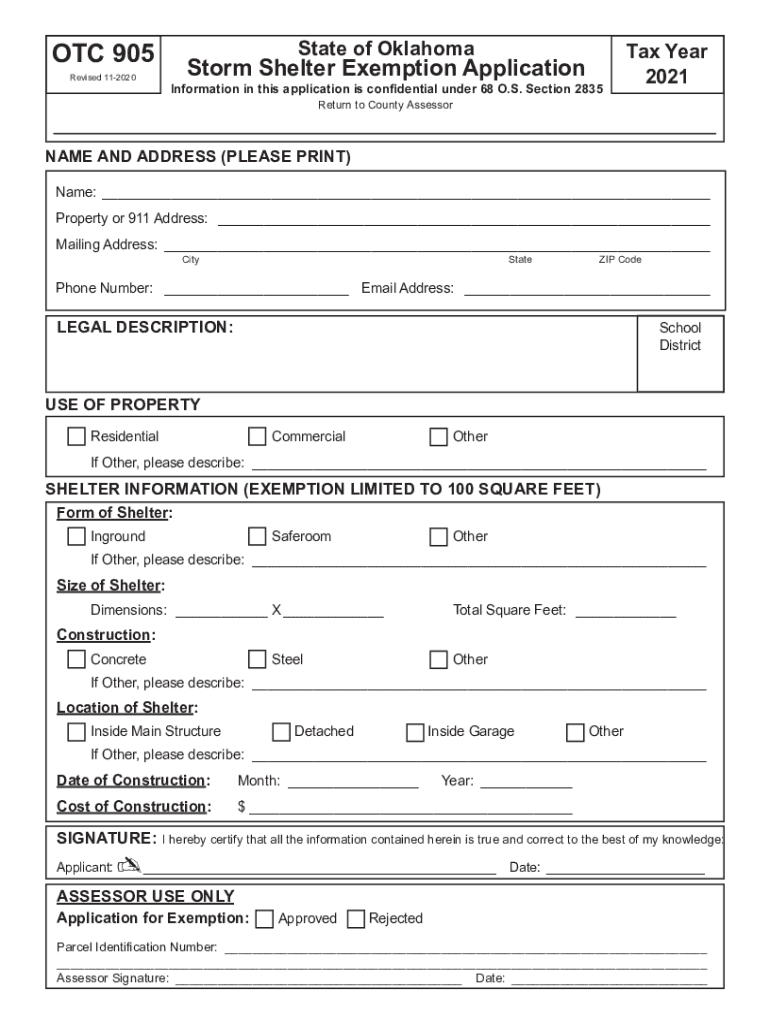
The "Disabled Veteran's Property Tax Exemption GuideSoCal VA" refers to a resource aimed at helping veterans in Southern California understand the eligibility and application process for property tax exemptions. This guide outlines how veterans with disabilities can reduce or eliminate property taxes, which provides significant financial relief. This is particularly valuable given the high cost of living in the region. The guide includes critical information about eligibility criteria, required documentation, and the steps needed to apply for the exemption.
Eligibility Criteria
Eligibility for the Disabled Veteran's Property Tax Exemption is primarily based on a veteran's service-connected disability rating and their residency status. In general, veterans must:
- Be honorably discharged from U.S. military service.
- Have a service-connected disability rating of 10% or more from the Department of Veterans Affairs.
- Own and occupy the property as their primary residence.
- Provide documentation, such as a letter from the VA confirming the disability rating.
Many states also allow the surviving spouse of a qualifying veteran to apply for the exemption, provided they have not remarried. Each state's specific requirements might vary slightly, so it is important to refer to the local guidelines within Southern California.


Application Process and Approval Time
Applying for the Disabled Veteran’s Property Tax Exemption involves several key steps:
- Obtain the exemption application form from the local county assessor's office or online via their official website.
- Gather all required documents, such as proof of residency, veteran status, service-connected disability rating letter, and property ownership documents.
- Complete and submit the application form along with the supporting documents. Some counties allow for online submission, while others may require physical submission via mail or in-person.
- After submission, the county assessor’s office will review the application. This process can take anywhere from a few weeks to several months, depending on the volume of applications and the specific procedures of the county.
Once approved, the applicant will receive written confirmation, and the exemption will be applied to the property tax bill.
Important Terms Related to the Guide
Understanding certain terms is crucial when navigating the Disabled Veteran's Property Tax Exemption:
- Primary Residence: The main home where the veteran resides; this must be owned and occupied by the veteran to be eligible for the exemption.
- Service-Connected Disability Rating: A percentage assigned by the VA based on the severity of a veteran's condition that was caused or worsened by military service.
- Assessor's Office: The local government office responsible for determining the value of properties and handling exemptions like the Disabled Veteran’s Property Tax Exemption.
Required Documents
To complete the application for the Disabled Veteran’s Property Tax Exemption, veterans need to provide:
- A copy of their DD-214 or other proof of honorable military discharge.
- The letter from the VA detailing the disability rating.
- Proof of ownership of the property, such as a property deed or mortgage statement.
- Proof of primary residence, which could include utility bills or voter registration documentation.
Providing complete and accurate documents speeds up the application processing time, increasing the chances of a timely approval.
State-Specific Rules for Southern California
In Southern California, the Disabled Veteran’s Property Tax Exemption may have unique provisions under state and local laws. Important considerations include:
- The maximum amount of the exemption can vary depending on the veteran's disability rating and income level.
- There may be specific filing deadlines to be aware of, typically aligned with the fiscal year of the local government.
- Surviving spouses must often meet specific additional criteria to maintain the exemption after the veteran’s death.
Veterans will benefit from consulting the exact statutes or regulations provided by the county assessor's office.
Filing Deadlines and Important Dates
Key filing dates must be observed to qualify for the exemption each year:
- Initial Application Deadline: Typically falls in early spring, but exact dates depend on the county.
- Annual Renewal: Once granted, this exemption often requires annual reapplication or renewal. Veterans should confirm deadlines each year to avoid losing the exemption.
Missing these deadlines can result in loss of the exemption for the tax year in question, so it's crucial to mark them on the calendar.
Digital vs. Paper Version
Veterans have options about how they wish to complete and submit their applications:
- Digital Version: Many counties offer online forms that can be completed and submitted via their websites. This is a convenient option for those familiar with digital submissions and offers potential processing time advantages.
- Paper Version: Traditional forms can be filled out and delivered either in person or by mail. This is often the preferred method for veterans uncomfortable with online submissions or who wish to retain physical copies.
Choosing the right format can depend on personal preference and technological comfort.