01. Edit your dcfs 718 e form online
Type text, add images, blackout confidential details, add comments, highlights and more.

Type text, add images, blackout confidential details, add comments, highlights and more.

Draw your signature, type it, upload its image, or use your mobile device as a signature pad.

Send st louis mn childcare provider background check form via email, link, or fax. You can also download it, export it or print it out.
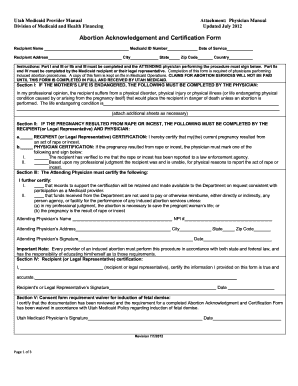
The CFS 718-E form, also known as the Authorization for Background Check, is a document issued by the Illinois Department of Children and Family Services (DCFS). This form is crucial in ensuring the safety and welfare of children in care facilities. Employees and volunteers in child care environments use this form to authorize background checks. The main objective is to verify the applicant's identity and review any criminal or child abuse records to ascertain their suitability for working with children.
The CFS 718-E form plays a pivotal role in maintaining the integrity of child care services. By enabling background checks, it helps prevent individuals with a history of criminal activities or child abuse from engaging in roles that involve caring for minors. The form enhances trust and safety within care facilities by providing a layer of protection for vulnerable populations.
Completing the CFS 718-E form involves several crucial steps to ensure all necessary information is collected and verified:
Personal Information: Provide complete and accurate personal details, including your full name, address, and date of birth. This information is vital for identity verification during the background check process.
Employment Information: List your current or prospective employer, detailing the job role and the location where you will be working. This helps contextualize the necessity of the background check.
Criminal History: Honestly disclose any past criminal convictions or child abuse allegations. This transparency is critical for evaluating your eligibility for positions that involve child care.
Signature and Date: Sign and date the form to affirm the truthfulness of the information provided and to give consent for the background check.
Individuals and organizations can acquire the CFS 718-E form through the Illinois Department of Children and Family Services. Often, forms are available as downloadable PDFs from the DCFS website or as physical copies from local DCFS offices. Employers in the child care industry can also provide the form to new hires and volunteers as part of their onboarding process.
The CFS 718-E form must be used strictly in compliance with DCFS regulations and legal requirements. It is tailored specifically for background checks concerning child care employment and volunteer roles. Misuse or fraudulent completion of the form can result in severe legal consequences, including the denial of employment and potential legal action.
Employers must handle completed CFS 718-E forms with strict confidentiality. Personal information and background check results should be accessed only by authorized individuals and stored securely to protect applicant privacy. Compliance with data protection laws is mandatory to ensure information integrity and safety.
The form is primarily used by child care facilities and organizations working with children, such as schools, daycares, and youth programs. Employees and volunteers intending to work in these environments are required to fill out the form as part of the standard hiring or onboarding process.


The form consists of various elements designed to collect necessary information for background checks:
While the CFS 718-E form is specific to Illinois, neighboring states may have similar forms with differing requirements. It's crucial to understand Illinois-specific rules and regulations that might influence the form's completion and submission procedures.
Real-world use cases of the CFS 718-E form can vary across different organizations:
We've got more versions of the dcfs 718 e form form. Select the right dcfs 718 e form version from the list and start editing it straight away!
At DocHub, your data security is our priority. We follow HIPAA, SOC2, GDPR, and other standards, so you can work on your documents with confidence.