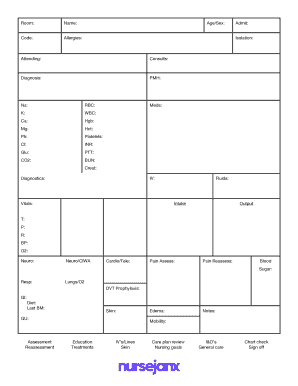
01. Edit your colorado grievance online
Type text, add images, blackout confidential details, add comments, highlights and more.

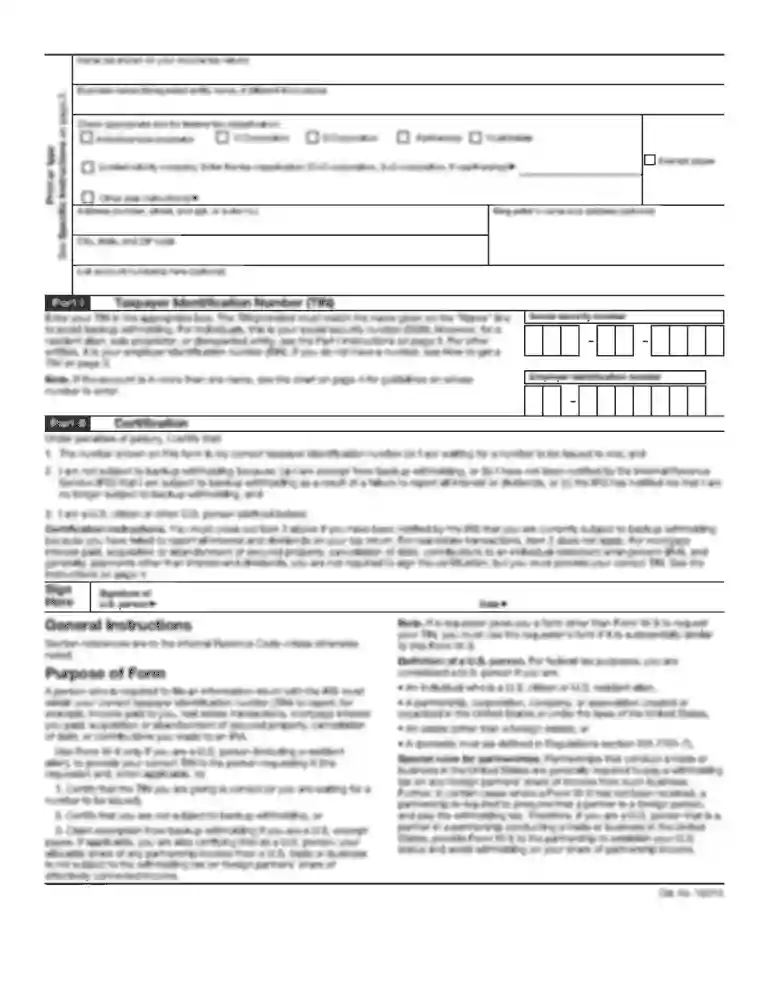
Type text, add images, blackout confidential details, add comments, highlights and more.
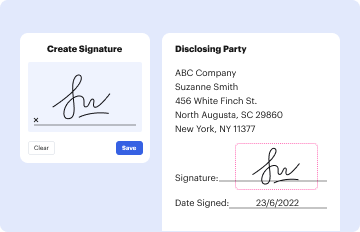
Draw your signature, type it, upload its image, or use your mobile device as a signature pad.

Send grievance colorado via email, link, or fax. You can also download it, export it or print it out.
A "Colorado grievance" is a formal document used by employees within the state of Colorado to report grievances in their workplace. This process provides a structured framework for employees to raise concerns related to workplace issues, excluding disciplinary actions or layoffs. Understanding the purpose and function of this form is essential for every employee navigating workplace difficulties. The grievance form helps in formally documenting issues such as unfair treatment, workplace discrimination, or violations of workplace policy, ensuring that these matters are recorded and can be addressed through formal channels.
The importance of addressing grievances effectively cannot be understated, as it ensures a harmonious work environment, mitigates potential disputes, and aligns with Colorado's employment regulations. The mechanism enhances communication between employees and management, fostering a culture of transparency and trust within organizations.
Completing a Colorado grievance form involves several methodical steps that must be followed to ensure accuracy and comprehensiveness.
Personal Information: Begin by filling out your personal details, including name, employee ID, contact information, and department. These details are used to identify the complainant and facilitate communication throughout the grievance process.
Details of the Grievance: Clearly outline the grievance, providing specific details about the incident. Include the date, time, location, and individuals involved. Be as specific as possible to aid in the thorough investigation of the grievance.
Alleged Discrimination: If the grievance includes claims of discrimination, specify the nature of the alleged discrimination. This might involve discrimination based on race, gender, age, or other protected characteristics under Colorado law.
Supporting Evidence: Attach any supporting documentation or evidence that substantiates your claim. This could include emails, messages, witness statements, or any other relevant documents that provide context or proof of the grievance.
Informal Resolution Attempts: Note any prior attempts made to resolve the issue informally with supervisors or colleagues. Mention whether mediation was offered or attempted, providing additional context to aid in resolution.
Preferred Outcome: State the desired resolution you wish to achieve through the grievance process. This helps in clarifying expectations and defining a path forward.
After completing the form, ensure that it is signed and dated before submission. It is crucial to retain a copy of the submitted form for your records.
The Colorado grievance form is utilized within legal frameworks that protect employee rights in the workplace. The process aligns with state laws governing employment practices and provides a legitimate channel for employees to seek redress. When completed correctly, the form supports legal processes, potentially serving as evidence in disputes if the issue escalates to legal proceedings.
Employers are obligated by law to address grievances appropriately and in a timely manner, ensuring compliance with Colorado's employment regulations. Failure to adhere to these requirements can result in legal repercussions for employers, reinforcing the importance of a formal grievance procedure.
A complete Colorado grievance form includes several key components that contribute to its effectiveness:
These elements collectively ensure that the grievance process is effective and equitable for all parties involved.
Employees can obtain the Colorado grievance form through various channels that ensure ease of access.
Human Resources Department: Typically, the HR department of an organization will have copies of the grievance form readily available. Employees can request the form in person or through internal communication channels.
Company Intranet: Many companies host essential documents, including the grievance form, on their internal networks. Employees can access these forms by logging into the company intranet portal.
State Employment Agency Websites: For those working in smaller businesses without dedicated HR departments, state employment agency websites might offer downloadable versions of the grievance form.
Ease of access to the form ensures that employees can raise concerns without unnecessary hurdles, promoting a proactive approach to workplace issues.
The grievance process in Colorado is subject to various state-specific rules and regulations that must be adhered to by both employees and employers.
Timelines: Specific timelines are established for filing a grievance and receiving a response. Understanding these deadlines is critical to ensuring that grievances are handled in a timely manner.
Mediation Requirement: In some cases, the state mandates mediation as a first step before formal proceedings can begin. This rule encourages resolution through dialogue and compromise.
Employer Duties: Colorado mandates that employers maintain clear grievance processes and ensure employees are aware of their rights and responsibilities within this framework.
Compliance with these state-specific rules fosters a fair and balanced approach to resolving workplace grievances in Colorado.
Utilizing the Colorado grievance form can be illustrated through various real-world scenarios.
Scenario 1: An employee faces repeated instances of workplace bullying by a colleague. The employee documents each occurrence with dates and descriptions, attempts informal resolution by discussing the issue with their supervisor, and eventually files a formal grievance expressing the need for intervention to ensure a safer work environment.
Scenario 2: An employee believes they have been passed over for a promotion due to age discrimination. They gather supporting evidence, such as emails and performance reviews, complete the grievance form detailing their allegations, and request an unbiased review of the promotion process.
These examples demonstrate the form's utility in addressing and resolving diverse workplace issues, empowering employees to seek fair treatment.
To ensure a comprehensive grievance submission, certain documents are typically required alongside the Colorado grievance form:
Identification Documents: Employees may need to provide proof of employment, such as an employee ID card or employment contract.
Supporting Evidence: Any form of documentation corroborating the grievance, including:
Previous Communication: Documentation of any informal resolution attempts, like letters or memos exchanged with supervisors.
Including these documents strengthens the grievance's validity, providing necessary context and evidence for an effective resolution process.
We've got more versions of the colorado grievance form. Select the right colorado grievance version from the list and start editing it straight away!
| Versions | Form popularity | Fillable & printable |
|---|---|---|
| 2009 | 4.8 Satisfied (87 Votes) |
At DocHub, your data security is our priority. We follow HIPAA, SOC2, GDPR, and other standards, so you can work on your documents with confidence.