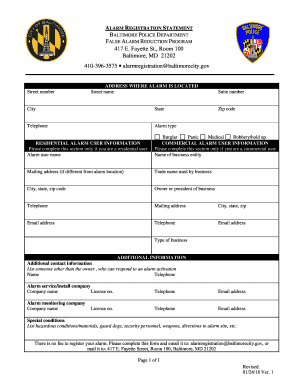
01. Edit your form online
Type text, add images, blackout confidential details, add comments, highlights and more.

Type text, add images, blackout confidential details, add comments, highlights and more.

Draw your signature, type it, upload its image, or use your mobile device as a signature pad.

Send it via email, link, or fax. You can also download it, export it or print it out.
The 90-ADM-20 Care At Home (Model Waiver) Case Management directive provides guidelines and procedures for case management services under the Care At Home Medicaid model waivers. This directive lays out the responsibilities of local social services districts regarding the recruitment of case management providers and emphasizes a family-centered approach for children with special health care needs. Additionally, it outlines billing procedures and necessary provider qualifications, ensuring effective coordination of services to help families access required resources and support.
Acquire the Directive: Begin by obtaining the 90-ADM-20 directive from a reliable source, such as your local social services office or their official website.
Identify Relevant Sections: Review the entire directive to identify the sections relevant to your or your client's needs, including eligibility criteria and application procedures.
Prepare Necessary Documents: Gather documents required for the application, such as medical records or income verification, based on the identified sections in the directive.
Complete Application Forms: Fill in the forms associated with case management applications, ensuring all information is accurate and complete.
Submit Documentation: Submit all required forms and documents through the prescribed channel, which might include online submission, mailing to a specified address, or delivering in person.
Follow Up: Monitor the status of your application by contacting the relevant social services department if necessary, and provide additional information if requested.
Family-Centered Approach: Encourages collaboration with families to ensure the care plan aligns with their unique needs and preferences.
Case Management Provider Recruitment: Local social services districts must actively recruit qualified case management providers who can deliver the required services efficiently.
Coordination of Services: Ensures various health care services are coordinated effectively for children with special health care needs to improve health outcomes.
Billing Procedures: Clearly outlines how case management services should be billed, ensuring transparency and accountability within the program.
Provider Qualifications: Lists the necessary qualifications and credentials providers must possess to deliver case management services under this waiver.
Eligibility for the model waiver program outlined in the 90-ADM-20 directive primarily targets families with children who have special health care needs and require coordinated access to various medical services. Important criteria include:
Residency: The family must reside in a region where the model waiver program is available.
Medical Necessity: The child's condition must meet specific criteria outlined by the directive, affecting daily life and requiring comprehensive care.
Financial Status: The directive may include financial guidelines to determine eligibility, ensuring support is provided to those most in need.


The 90-ADM-20 directive is typically used by:
Local Social Services Districts: To guide the recruitment and management of qualified case management providers.
Case Management Providers: To ensure they meet the qualifications and adhere to procedures laid out for delivering care services.
Families with Children with Special Needs: To understand the steps required to apply for and receive care services under the model waiver programs.
Healthcare Professionals: To familiarize themselves with procedures and qualifications necessary to participate in the program.

Legally, the 90-ADM-20 directive must be followed by local social services districts and case management providers to ensure compliance with state and federal guidelines for delivering care services. This helps in avoiding penalties and ensures all participating entities are accountable and transparent in their service provision.
Local District Implementations: A local social service district uses the directive to set up a recruitment process for inviting applications from case management providers.
Family Applications: A family with a child who has developmental disabilities refers to the directive to understand application procedures and eligibility for accessing coordinated care services.
Provider Compliance Checks: A healthcare provider utilizes the directive to verify their service delivery methods align with the required guidelines and standards.
Model Waiver: A program that allows states to provide Medicaid coverage to specific groups not typically eligible, such as children with special needs.
Case Management Services: Services aimed at coordinating various aspects of a client’s care to improve health outcomes and resource access.
Family-Centered Care: An approach that respects and incorporates family preferences, values, and cultural backgrounds in the care plan.
Different states may have variations in how they implement the 90-ADM-20 directive based on local regulations and availability of resources. This can affect:
Application Processes: Variations in the documentation required or processes for submitting applications.
Funding and Resource Allocation: Differences in how funds are distributed to support services under the directive.
Provider Requirements: States might impose additional qualifications or training for case management providers.
In conclusion, the 90-ADM-20 directive acts as a critical guide ensuring effective delivery of case management services under the Care At Home Medicaid waivers, targeting families with children who have special health needs and requiring comprehensive support.
We've got more versions of the 90-ADM-20 Care At Home (Model Waiver) Case Management; Guidelines and Procedures This directive tran form. Select the right 90-ADM-20 Care At Home (Model Waiver) Case Management; Guidelines and Procedures This directive tran version from the list and start editing it straight away!
| Versions | Form popularity | Fillable & printable |
|---|---|---|
| 1989 | 4.8 Satisfied (63 Votes) |
At DocHub, your data security is our priority. We follow HIPAA, SOC2, GDPR, and other standards, so you can work on your documents with confidence.