






Definition & Meaning
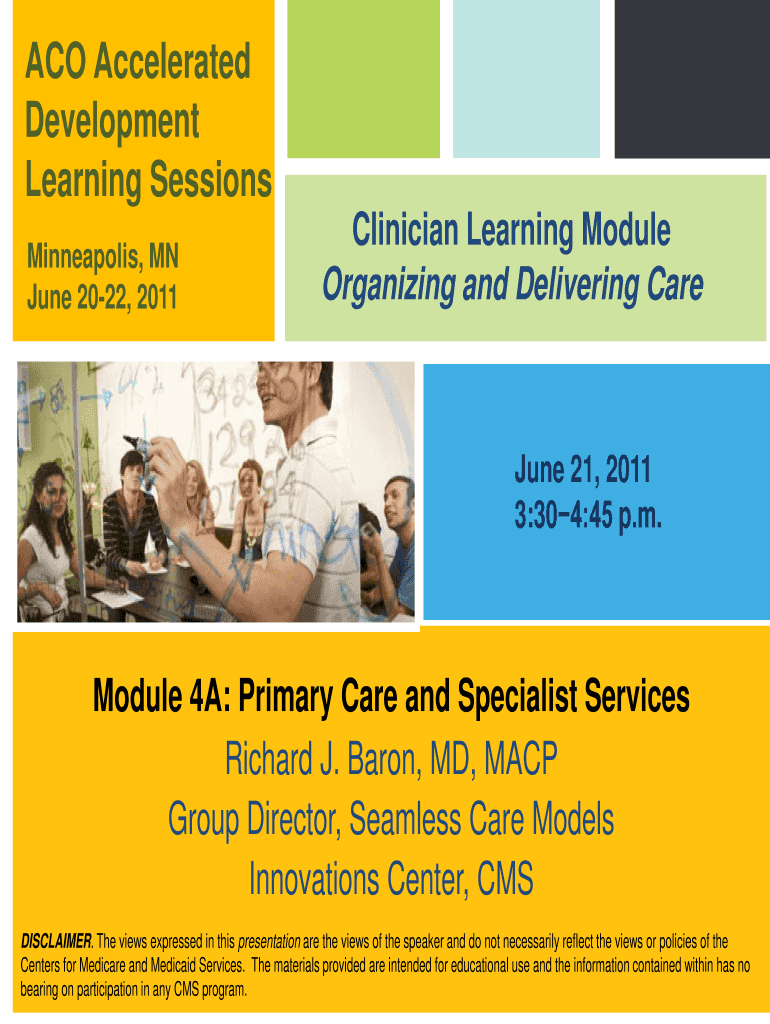
The "Primary Care and Specialist Services - Center for Medicare - innovation cms" refers to initiatives and programs designed to enhance the delivery of healthcare services under the Centers for Medicare & Medicaid Services (CMS). These initiatives focus on creating integrated care models involving primary and specialist services, aiming to innovate healthcare delivery through value-based approaches and improved patient outcomes. This involves a collaborative effort across the healthcare spectrum to manage both primary and specialist care more efficiently.
Key Elements of the Program
Several critical elements underscore the primary care and specialist services initiative:
- Integrated Care Models: Emphasize coordinated care across multiple providers, ensuring patients receive comprehensive healthcare services.
- Patient-Centered Medical Home (PCMH): A model that facilitates partnerships between patients and their primary care providers, focusing on accessible, comprehensive, and continuous care.
- Value-Based Care: Prioritizes outcomes and efficiency in service delivery over traditional fee-for-service models, often tied to performance metrics and patient satisfaction.
Steps to Implement the Program
Implementing the CMS innovation involves several key steps:
- Identification of Needs: Assess local community healthcare requirements and gaps in service delivery.
- Engagement of Providers: Collaborate with primary and specialist healthcare providers to develop a shared care delivery framework.
- Development of Care Pathways: Establish clear clinical pathways that outline the patient journey across primary and specialist services.
- Integration of Technology: Utilize health IT systems for seamless information sharing and communication among providers.
Legal Use of the Program
Legal compliance is crucial when participating in CMS innovation programs:
- Adherence to Regulations: Providers must comply with federal regulations, including the Health Insurance Portability and Accountability Act (HIPAA) for patient data privacy.
- Accreditation Requirements: Participation may require certain accreditations or compliance checks ensuring quality standards are met consistently.
Important Terms Related to the Initiative
Understanding relevant terminologies can be beneficial:
- Accountable Care Organizations (ACO): Groups of doctors, hospitals, and other healthcare providers who voluntarily come together to provide coordinated high-quality care to Medicare patients.
- Fee-for-Service (FFS): A payment model where services are unbundled and paid for separately, contrary to the goal of integrated and value-based care.
Examples of Using the Program
Real-world scenarios showcase how the CMS initiative operates:
- Chronic Disease Management: Programs focusing on diabetes or heart disease where primary and specialist services work in tandem to manage patient care effectively.
- Telehealth Services: Integrating remote consultations to enhance accessibility and continuity of care for rural or underserved populations.
Who Typically Uses the Program
Various stakeholders benefit from these services, including:
- Healthcare Providers: Physicians who collaborate within integrated care systems.
- Patients: Individuals receiving enhanced, coordinated, and personalized care.
- Administrators: Facility or health system managers overseeing program implementation and compliance.


Eligibility Criteria and Submission Process
Eligibility often depends on:
- Applicant Classification: Typically healthcare institutions or groups seeking to implement an integrated care model.
- Documentation Requirements: Submission of necessary forms, evidence of need, and detailed implementation plans.
- Approval Timeline: Provided once regulatory compliance and thorough evaluation of applications are completed, involving detailed assessments to ensure alignment with program objectives.

State-Specific Rules and Regulations
State regulations may influence program implementation:
- Medicaid and State Laws: Variations in Medicaid rules can impact funding and program delivery approaches.
- Local Health Initiatives: States may have specific health initiatives that can alter program execution based on regional health priorities.
Software Compatibility and Integration
Programs may require specific technology solutions:
- Electronic Health Records (EHR): Use of systems like EPIC or Cerner for maintaining patient records.
- Cross-Platform Integration: Compatibility with systems like Google Workspace for document management and collaborative tools, facilitating smooth administration.
Each of these sections provides a comprehensive look at various aspects of the CMS innovation initiative, offering essential information on implementation, compliance, usage, and benefits.