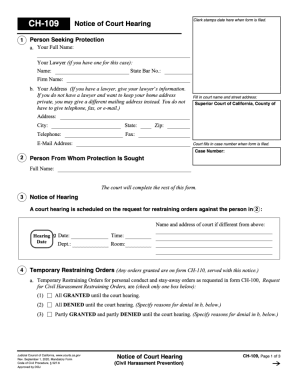
01. Edit your affidavit of delivery online
Type text, add images, blackout confidential details, add comments, highlights and more.

Type text, add images, blackout confidential details, add comments, highlights and more.

Draw your signature, type it, upload its image, or use your mobile device as a signature pad.

Send affidavit of delivery via email, link, or fax. You can also download it, export it or print it out.
An affidavit of delivery is a legal document that certifies the hand delivery of specific documents to a designated recipient. This form is crucial for proving that certain critical notifications, often in legal and contractual contexts, have reached the intended party. The document typically contains detailed information, including the names of the sender and recipient, the date and time of delivery, and the description of the material delivered. Additionally, it requires notarization to authenticate its validity. This serves as a record in situations where confirmation of receipt is legally required or might be disputed.
To effectively use an affidavit of delivery, one must first ensure the document's accuracy by collecting all essential information such as identifiers for both parties and specifics about the delivered items. After the document is completed, it typically needs to be signed in the presence of a notary public, who can then ensure its authenticity. In practice, this affidavit can be used in various legal proceedings to demonstrate that a particular document was delivered to a recipient on a specified date, establishing proof of notification or compliance with legal requirements.
Gather Necessary Information: Collect all relevant data, including the full names and addresses of the delivering and receiving parties, as well as specifics about the documents delivered.
Draft the Affidavit: Use a structured form that includes all gathered information, clearly stating the facts of the delivery.
Review for Accuracy: Ensure all details are correct to prevent potential disputes or invalidation.
Notarization: Present the completed affidavit to a notary public, who will witness the signing and apply their seal.
Distributing Copies: Keep a copy of the notarized affidavit for personal records and send a copy to relevant parties who may require proof of delivery.
The affidavit of delivery comprises several critical components:
Various professionals and entities utilize affidavits of delivery, including:


Affidavits of delivery are commonly used in legal scenarios to create a verifiable record that a particular document has been provided to a recipient. This is particularly important in court cases or disputes when proving due diligence or fulfilling contractual obligations. Failing to deliver required documentation without an affidavit can result in penalties, extensions, or breaches of contract. Legal professionals often rely on these documents as evidence that requirements have been met.
Consider a construction company that needs proof for delivering formal project amendments to a client. By preparing an affidavit of delivery, the company confirms the receipt of these documents to avoid any disputes regarding miscommunication or non-receipt. Similarly, a law firm may use the affidavit to demonstrate that a client's legal notice was sent and received ahead of a trial.
Regulations regarding affidavits of delivery can vary by state; therefore, it is essential for users to understand specific local requirements. Some states might impose stricter notary procedures or require additional documentation to accompany the affidavit. Consulting with legal counsel familiar with state laws ensures that the affidavit meets all jurisdictional criteria and holds up if challenged in court.
We've got more versions of the affidavit of delivery form. Select the right affidavit of delivery version from the list and start editing it straight away!
| Versions | Form popularity | Fillable & printable |
|---|---|---|
| 2011 | 4 Satisfied (39 Votes) |
At DocHub, your data security is our priority. We follow HIPAA, SOC2, GDPR, and other standards, so you can work on your documents with confidence.