





Definition & Meaning
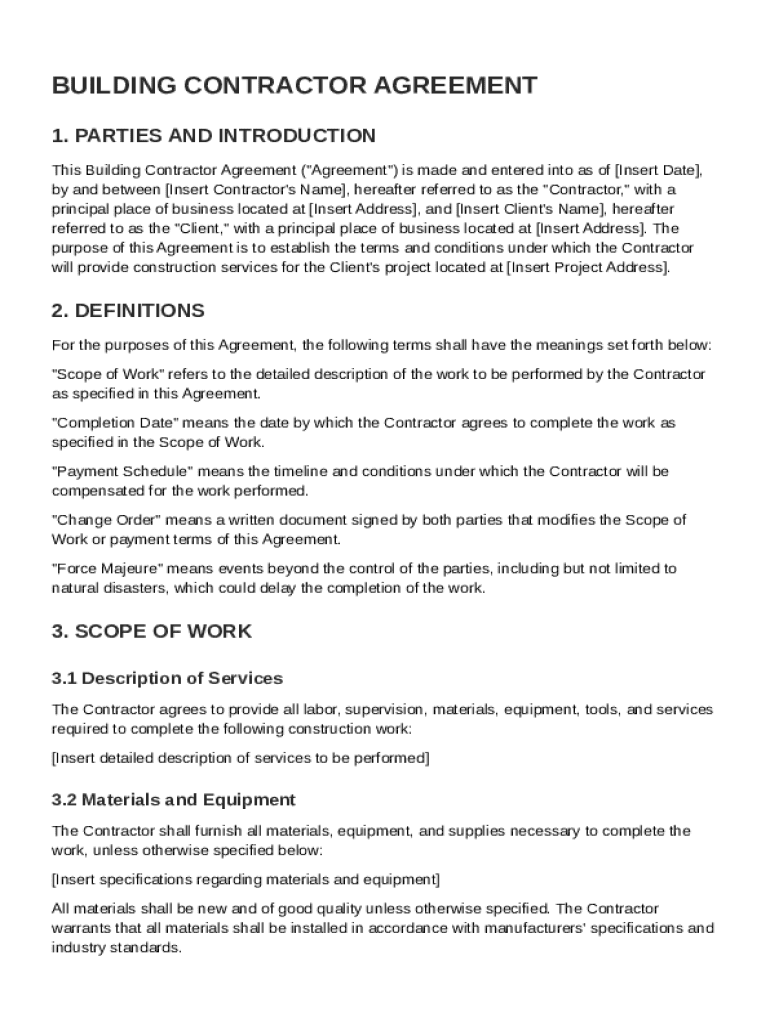
A Building Contractor Agreement Template is a predefined legal document that forms the foundation for contractual arrangements between a contractor and a client. This agreement delineates the terms and responsibilities each party must adhere to during a construction or renovation project. Key components include the scope of work, payment schedules, completion timelines, and dispute resolution procedures. By using this template, both the contractor and the client gain a clear understanding of their obligations, minimizing misunderstandings and potential legal disputes. Examples of usage include large-scale commercial developments and smaller residential renovations.
Key Elements of the Building Contractor Agreement Template
The Building Contractor Agreement Template encompasses several essential components:
- Scope of Work: Clearly defines the specific tasks and responsibilities the contractor is expected to undertake.
- Payment Schedule: Outlines when payments will be made, including deposit amounts and milestone-based payments.
- Completion Timelines: Sets expectations regarding the project's duration and critical deadlines.
- Change Orders: Details the procedure for handling changes or modifications to the agreed scope of work.
- Warranties: Includes assurances related to the quality and longevity of the work performed.
- Insurance Requirements: Ensures that appropriate insurance policies are in place to cover potential liabilities.
Each of these elements is tailored to protect the interests of both parties and provide a structured framework for successful project execution.
Steps to Complete the Building Contractor Agreement Template
Completing the Building Contractor Agreement Template involves several steps:
- Initial Review: Both parties should carefully read the template to understand each section fully.
- Customize Specifics: Fill in project-specific details, such as the client and contractor names, project description, and agreed pricing.
- Validate Terms: Both parties should agree on the terms, including payment schedules, completion dates, and any special conditions.
- Legal Consultation: Seek legal advice to ensure the agreement complies with local laws and adequately protects both parties.
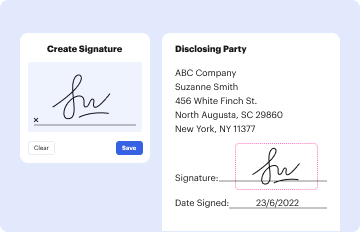
- Signatures: Obtain signatures from both parties to finalize the agreement. This can be done electronically for efficiency and legal compliance.
Each step is crucial to ensure the agreement is comprehensive, enforceable, and tailored to the specific project's needs.
Legal Use of the Building Contractor Agreement Template
Utilizing a Building Contractor Agreement Template is both a legal necessity and a prudent practice in the United States. This template serves as a protective measure, outlining binding obligations and providing clarity around potential legal conflicts. It adheres to federal regulations and often incorporates state-specific legislations, enhancing its enforceability. By employing this template, contractors and clients avoid common pitfalls associated with verbal agreements and ensure that all parties have legal recourse should issues arise.
Important Terms Related to Building Contractor Agreement Template
Understanding the terminology used in the Building Contractor Agreement Template is vital:
- Client: The individual or organization hiring the contractor for services.
- Contractor: The party responsible for performing the work outlined in the agreement.
- Change Order: A formal amendment to the original agreement, accommodating changes in scope or price.
- Indemnification: A clause ensuring that one party is protected against certain legal liabilities.
- Retention: A portion of the payment withheld until project completion to ensure contractor compliance.
These terms provide a framework for navigating the complexities of construction agreements and are essential for proper contract management.
Who Typically Uses the Building Contractor Agreement Template
The Building Contractor Agreement Template is primarily used by:
- Construction Companies: Engaged in building, renovating, or repairing structures.
- Independent Contractors: Individuals offering specialized construction services.
- Property Owners: Clients seeking to hire contractors for various construction-related tasks.
- Developers: Entities invested in large-scale development projects requiring comprehensive contractual frameworks.
By utilizing this template, these parties ensure clear communication and mutual understanding of project expectations.


State-Specific Rules for the Building Contractor Agreement Template
Different states in the U.S. may impose specific regulations regarding construction agreements. These variations can include:
- Licensing Requirements: Mandates for contractors to hold specific licenses based on project type or value.
- Lien Laws: Varying processes for contractors to secure payment in case of disputes.
- Insurance Mandates: State-specific insurance coverages that contractors must maintain.
Understanding these distinctions is crucial for creating an agreement that complies with local regulations and avoids potential legal challenges.
State-by-State Differences
While the Building Contractor Agreement Template provides a general framework, certain state requirements may alter its application:
- California: Rigorous guidelines on specifics that must be included in contracts, particularly for residential projects.
- New York: Distinct warranty requirements and dispute resolution methods.
- Texas: Specific statutes regulating mechanic’s liens and contractor payments.
Acknowledging and adapting to these state-specific differences is essential for ensuring legally binding and compliant agreements.