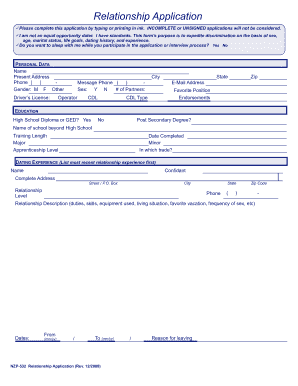
Definition and Meaning of (EXCERPT
The (EXCERPT form serves a specific purpose within various document management processes. It's a tool designed to offer users simplified workflows and streamlined data input methods. The term "(EXCERPT" generally implies a subset or specific portion of a larger document or data set, meant to highlight or work with in a focused way. Understanding its role within document processes is key to utilizing this form effectively. The (EXCERPT form's meaning is often associated with creating concise summaries or extracting the most relevant elements from a primary document to ensure focused analysis or action.
How to Use the (EXCERPT Form
Using the (EXCERPT form involves a few straightforward yet pivotal steps. To start, ensure you have the primary document or data set from which you intend to create an excerpt. Analyzing the document will help you determine which sections are most pertinent for your purposes. Once identified, use the (EXCERPT form to select these parts efficiently. Most modern platforms, like DocHub, provide tools to manage and create excerpts through intuitive interfaces, simplifying the task of marking and extracting crucial segments.
- Identify the main document or data set.
- Determine key sections to excerpt.
- Use document management tools to highlight and extract these segments.
- Save or share the excerpted portion as needed.
Steps to Complete the (EXCERPT Form
Completing the (EXCERPT form accurately is critical for effective document management. The process can be broken down into methodical steps which ensure precision and efficiency. Initially, gather all relevant documents. Then, systematically go through the document to note the requisite sections for the excerpt. Modern tools allow for digital annotation and extraction, which can then be saved or exported for further use.
- Gather all relevant documents for reference.
- Review the primary document to mark important sections.
- Use digital tools to highlight and extract these sections.
- Save the completed form and review for accuracy.
Key Elements of the (EXCERPT Form
Understanding the key elements within the (EXCERPT form is fundamental to its effective use. The form is generally designed to capture essential portions of a document, so specific fields and sections are crucial for this task. Essential components often include heading sections for context, sub-sections for detailed data points, and commentary areas for additional notes or instructions.
- Heading: Provides overall context.
- Sub-sections: For detailed content capturing.
- Commentary: Areas for notes and instructions.
Important Terms Related to (EXCERPT
Several terms are integral to working with the (EXCERPT form, each contributing to nuanced understanding and application. Comprehending these terms ensures all users, regardless of expertise level, can effectively navigate and complete excerpts. Common terms include "Primary Document," "Data Extraction," "Summary Section," and "Annotation."
Explanation of Terms
- Primary Document: The original source from which excerpts are drawn.
- Data Extraction: The process of selecting essential data points.
- Summary Section: Part of an excerpt intended to provide a quick overview.
- Annotation: Notes or additional information added to the document excerpts.
Legal Use of the (EXCERPT Form
Legal considerations are paramount when using the (EXCERPT form, as improper handling can lead to issues of compliance. The form should be compliant with relevant laws such as data protection and privacy regulations. Understanding your jurisdiction's legal requirements for document handling is crucial to avoid penalties and ensure responsible use.
- Ensure compliance with relevant data protection laws.
- Consult legal guidelines specific to your industry and location.
- Handle sensitive information with appropriate confidentiality measures.
Examples of Using the (EXCERPT Form
Using the (EXCERPT form can be illustrative across various scenarios in both business and personal applications. For businesses, excerpts might be derived from lengthy reports to present in meetings. Academics can extract pertinent data sections from studies for focused research areas. In legal settings, excerpts provide concise versions of case files for quick reference.
Practical Scenarios
- Business: Condensing a quarterly report for a board meeting presentation.
- Academic: Summarizing key findings from research papers.
- Legal: Extracting case details for legal consultations.
State-Specific Rules for the (EXCERPT Form
Different states may have unique regulations affecting how excerpts are used and documented. These rules pertain to information privacy and data handling, making compliance essential. Familiarity with state-specific guidelines ensures that excerpts can be used legally and effectively without infringing on local statutory requirements.
Compliance Insights
- Research state regulations on data privacy.
- Adapt excerpt practices to align with state laws.
- Confirm compliance with state-specific document management statutes.
By understanding and following these detailed insights and protocols, users can maximize the potential of the (EXCERPT form while maintaining compliance and effectiveness across various contexts.