







Definition & Meaning
Fair Market Value (FMV) and Fair Value (FV) are two critical metrics used primarily for asset valuation in financial contexts. FMV is the price an asset would likely fetch in the open market, agreed upon by a willing buyer and seller, each acting prudently, knowledgeably, and assuming neither is under duress. Conversely, FV is defined under specific legal frameworks—often influenced by court systems or financial reporting standards—focusing on the intrinsic worth of an asset, potentially including prospective earnings or strategic immunities the asset might bring to respective parties.
Detailed Examples
- Fair Market Value: Often used in real estate transactions, FMV represents what a property would sell for under typical conditions in an open market. This value is critical during tax assessments or sale negotiations.
- Fair Value: Business acquisitions heavily rely on FV assessments, which may include synergy values anticipated post-transaction or considerations beyond immediate market metrics. This value becomes paramount for auditing purposes or strategic acquisitions.
Nuanced Differences
The core distinction between the two resides in the perspective and circumstances considered: FMV revolves around standard market conditions, whereas FV could include specific synergetic benefits or legal stipulations.
Key Elements of the Form
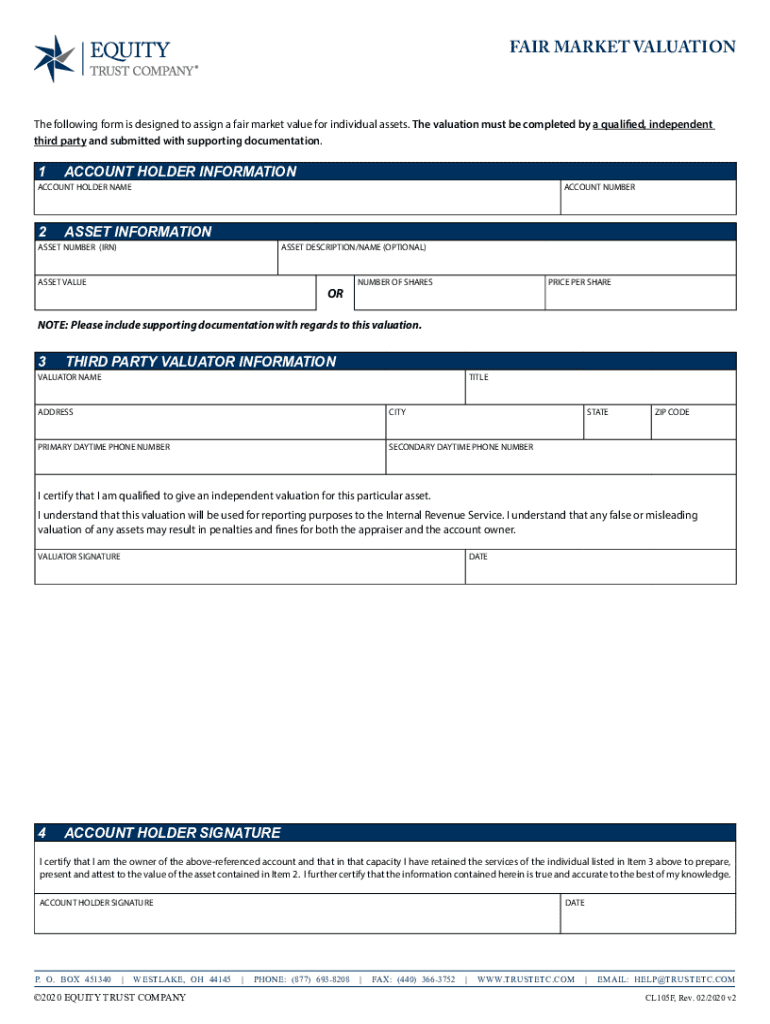
When managing the form for "The Difference Between Fair Market Value and Fair Value Business," several key components are essential for users to comprehend thoroughly. Knowing these elements ensures accurate and efficient completion:
Comprehensive Elements
- Asset Description: Clearly outline the item or business being evaluated, including pertinent characteristics that affect its value.
- Valuation Date: Define the date of valuation, pivotal as market conditions change over time.
- Valuation Methodology: Explicitly state the approach used, such as the sales comparison approach for FMV or discounted cash flow for FV considerations.
- Assumptions and Limitations: List any presumptions vital to the valuation process, ensuring transparency and understanding of any contextual limitations.
Importance of Context
These fields collectively foster a robust comprehension of valuation processes, streamlining business transactions, tax assessments, or financial reporting.
Business Types Benefiting Most
Various business entities, encompassing LLCs, corporations, or partnerships, will find value in differentiating between FMV and FV when conducting valuations. Understanding how these values interplay impacts tax obligations, transaction justifications, or legal compliance.
Beneficiaries Breakdown
- Small to Medium Enterprises (SMEs): Often leverage FMV during buy-sell agreements or shareholder disputes.
- Corporations: Engage with FV for compliance with governmental or financial reporting standards.
- Partnerships: Utilize fair value for member entrance or exit transactions, ensuring amicable terms through objective evaluation.
Steps to Complete the Form
Accurate and comprehensive completion of the form necessitates structured steps, ensuring all necessary data points are addressed.
-
Gather All Necessary Information:
- Collect asset details including condition reports or comparable sales data.
-
Choose Appropriate Valuation Metrics:
- Decide between FMV or FV based on the intended purpose (e.g., market-based vs. intrinsic value-based assessments).
-
Complete Each Section Thoroughly:
- Ensure that each field, such as asset description and limitations, is filled with precision.
-
Review and Confirm Data:
- Double-check for consistency and accuracy, reviewing listed assumptions or methodologies.
-
Submit Through Appropriate Channels:
- Determine the required submission route, be it online or a physical copy, adhering to organizational preferences.
Additional Considerations
Review any legal or organizational guidance that might influence form completion, ensuring adherence to any advertised standards or norms.
Legal Use and Compliance
Legal compliance is essential when distinguishing between FMV and FV, especially in contexts involving financial audits, tax compliance, or dispute resolution.
Specific Legal Applications
- Tax Assessments: Correct valuation metrics protect from over or understated tax liabilities.
- Dispute Resolutions: Established valuation bases defend against litigation by providing facts-based valuations.
- Auditing Standards: Comply with required financial reporting standards like GAAP or IFRS when compiling financial statements.
Understanding these legal implications ensures correct valuation methodology selection, fostering transparency and mitigating potential legal complications.
Important Terms Related
Familiarity with essential terminology is crucial to understanding the form's requirements fully and ensuring comprehensive engagement with its content.
Key Concepts
- Intrinsic Value: The actual value of an asset, beyond market perceptions, used predominantly for FV assessments.
- Open Market Transaction: A non-coerced sale transaction where both parties have reasonable knowledge, relevant for FMV determination.
- Discounted Cash Flows: A valuation method frequently used in FV contexts to calculate the present value of future cash flows.
Additional Terms
These concepts serve as pillars in navigating the complexities of FMV and FV, with their definitions underpinning more complex legal or financial undertakings.
Examples of Use
Practical scenarios highlighting the application of both FMV and FV reinforce understanding and illustrate real-world usage.
- Real Estate: Determining FMV for property tax purposes by comparing recent sales within the vicinity.
- Business Mergers: Assess FV when a company evaluates potential acquisition targets, considering both asset synergies and potential revenue streams.
- Estate Planning: Utilize FMV in estate valuation to meet compliance requirements for tax liabilities associated with property inheritance.
Contextual Understanding
These examples demonstrate the varied applications and importance of comprehending both FMV and FV in everyday business and personal finance undertakings.
IRS Guidelines
Aligning valuation practices with IRS regulations and guidelines prevents compliance issues, particularly in scenarios involving tax implications.
IRS Compliance Considerations
- Fair Market Value Rulings: The IRS mandates specific FMV determinations for estate or gift taxes, ensuring reported values align with anticipated market conditions.
- Audit Readiness: Proper documentation and valuation justifications facilitate audit processes by providing clarity on asset assessment methods used.
Who Typically Uses the Form
Professionals across real estate, finance, and legal domains frequently engage with this form to ensure accurate asset valuation in their respective contexts.


Typical Users
- Real Estate Agents: Leverage FMV for property sales or appraisals.
- Accountants: Rely on FV for accurate financial statement compilations.
- Legal Professionals: Use both FMV and FV when advising on disputes or contractual agreements involving asset transfers.


