







Definition & Meaning
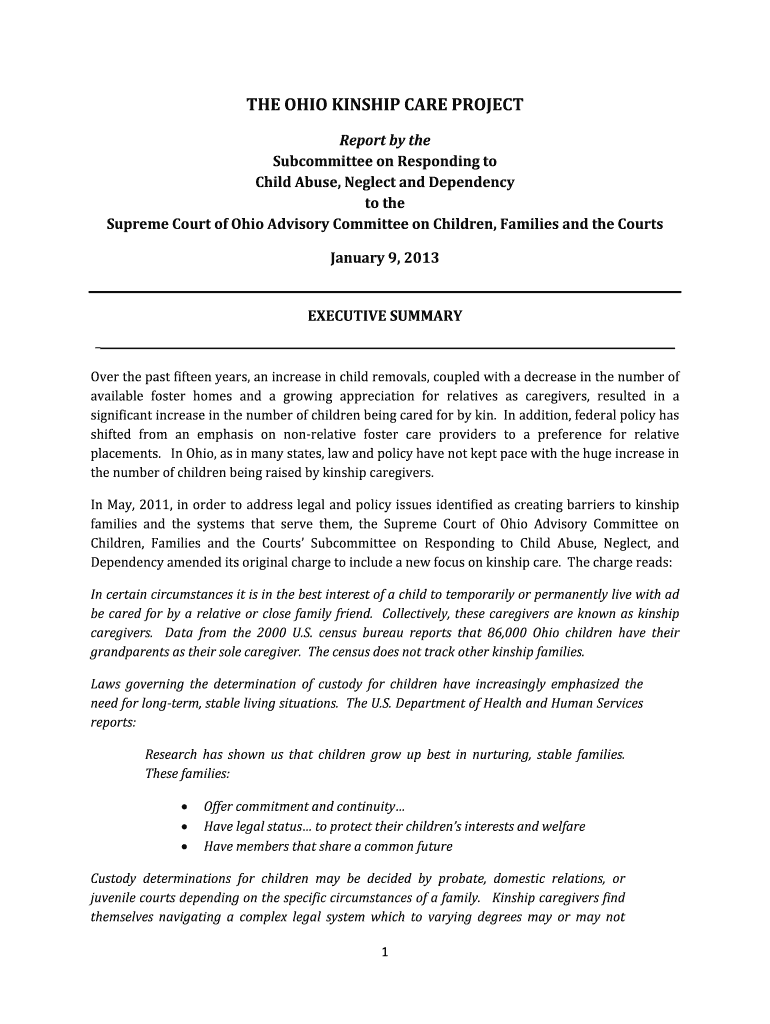
Understanding the concept of "available foster homes and a growing appreciation for relatives as caregivers, resulted in a" requires a look into how the foster care system is evolving. Traditionally, foster homes have been used to provide temporary care for children who cannot live with their biological parents. However, there is an increasing trend towards utilizing relatives as caregivers. This shift acknowledges the benefits of keeping children within their family circle, which can provide stability and maintain cultural and familial continuity.
- Foster Homes: These are temporary placement facilities for children whose parents are unable to care for them. They are licensed and regulated by the state to ensure the safety and well-being of children.
- Relatives as Caregivers: Also known as kinship care, this approach involves placing children with family members, such as grandparents, aunts, or uncles, which can help maintain family connections and cultural identity.
Key Elements of the System
Understanding the components of placing children in either traditional foster homes or with relatives is crucial. Both forms of care are structured to ensure the child's safety, health, and emotional well-being.
- Screening and Approval: Both foster homes and kinship caregivers must undergo stringent approval processes to ensure that the environment is safe and supportive for the child.
- Training and Support: Caregivers, whether foster or kin, are usually offered training and resources to help them meet the specific needs of the child.
- Supervision and Evaluation: Regular check-ins by child welfare agencies ensure that the living situation continues to meet the child's needs.
Steps to Complete the Placement Process
The process of placing a child with either foster parents or relatives involves several steps designed to prioritize the child's best interests.
- Assessment of Needs: Evaluate the child's specific needs and circumstances.
- Identification of Caregivers: Identify and evaluate potential foster homes or relatives.
- Approval Process: Complete the necessary background checks and home evaluations.
- Placement: Move the child to the approved caregiver.
- Monitoring: Continue regular visits and assessments to ensure the placement successfully meets the child's needs.
Who Typically Uses These Forms of Care?
Identifying the demographics and situations that most frequently require the use of foster homes or relative caregivers gives insight into the system's users.
- Children Removed from Parents: Those whose parents are unable to provide safe and stable care.
- Families in Crisis: Situations where temporary care is needed due to parental illness or incarceration.
- Kinship Caregivers: Relatives stepping in to care for children to maintain family bonds.


Legal Use and Considerations
Navigating legal standards related to foster and kinship care is critical for compliance and ensuring the best outcomes for children.
- Legal Custody and Guardianship: Legal arrangements must be established to define the caretaker's rights and responsibilities.
- Court Involvement: The family court often plays a key role in determining custody arrangements and overseeing the process to ensure the child's welfare is upheld.
State-Specific Rules and Differences
Different states have unique regulations and policies regarding the use of foster homes and relatives as caregivers.
- Licensing Requirements: States may have varying requirements for licensing foster homes and approving kinship caregivers.
- Support Services: The type and extent of support services available to caregivers can vary by state, influencing the placement decision.
Examples of Effective Implementation
Analyzing real-world examples can shed light on successful applications of the system.
- Case Study - Kinship Success: A grandmother in Ohio who took custody of her grandchildren might receive additional support from specially designated kinship programs.
- Foster Care Adjustment: A foster family in New York working with agency-led support groups might help develop a nurturing environment tailored to a child's specific emotional needs.
State Implementation and Policy Impact
Exploring how different states implement foster and kinship care policies can help identify successful strategies and areas for improvement.
- Ohio's Kinship Care Project: This initiative highlights comprehensive strategies for integrating kinship care into the broader child welfare framework by offering legal and financial support to relatives willing to become primary caregivers.
- California's Support Network: State-specific programs that connect caregivers with resources such as childcare and educational support demonstrate how policy can enhance these alternative caregiving arrangements.


