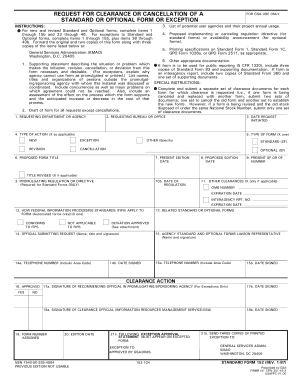
Definition and Purpose of XWXX 2015 Tax Forms
The XWXX 2015 tax forms serve as a crucial document for individuals and businesses in 2015 to report and calculate their taxes. These forms capture essential information, such as income, deductions, credits, and taxes owed or to be refunded. They are designed to ensure compliance with Internal Revenue Service (IRS) regulations, helping taxpayers fulfill their tax obligations. Understanding the purpose of these forms is fundamental for accurate and timely tax reporting, which can prevent penalties and facilitate smooth tax processing.
How to Obtain XWXX 2015 Tax Forms
Securing a copy of the XWXX 2015 tax forms involves several straightforward methods. Taxpayers can access these forms directly from the IRS website, where downloadable PDF versions are available. Local IRS offices often provide printed forms for individuals preferring hard copies. Additionally, many commercial tax software programs automatically include these forms, simplifying the process for users utilizing digital platforms for tax preparation. Ensuring you have the correct forms is the first step towards accurate tax filing.
Steps to Complete XWXX 2015 Tax Forms
Completing the XWXX 2015 tax forms involves a detailed process that requires accuracy and attention to relevant financial details:
- Gather Documentation: Collect all income statements, receipts for deductions, and records of tax payments.
- Fill Personal Information: Enter personal details, such as name, Social Security number, and filing status.
- Report Income: Accurately record all income sources, including wages, interest, dividends, and other earnings.
- Calculate Deductions and Credits: Identify eligible deductions and credits to reduce taxable income.
- Determine Tax Liability: Use the IRS tax tables to find your tax liability based on your taxable income.
- Complete the Payment Section: If additional tax is owed, include payment details or arrange for payment plans.
- Review and Submit: Double-check all entries for accuracy before submitting the form electronically or mailing it to the appropriate IRS address.
Completing each step diligently will ensure compliance and minimize the risk of errors in your tax filing.
Who Typically Uses XWXX 2015 Tax Forms
The XWXX 2015 tax forms cater to both individual taxpayers and various business entities. Individuals include employees, self-employed professionals, and retirees who need to report their yearly financial activities. Business entities like corporations, partnerships, and LLCs also utilize these forms to declare their income, expenses, and calculate their tax obligations. Understanding the diverse user base is essential for determining how each group should approach the completion of these forms to accurately reflect their financial scenario.
Important Terms Related to XWXX 2015 Tax Forms
Understanding key terminology is critical for correctly interpreting the XWXX 2015 tax forms:
- Taxable Income: The portion of income subject to taxes after deductions and exemptions.
- Deductions: Eligible expenses that reduce total taxable income, such as mortgage interest or student loan interest.
- Credits: Direct reductions in tax liability, distinct from deductions, such as education credits.
- Liability: The total tax owed, after accounting for credits and prepayments.
Familiarity with these terms aids in accurate form completion and helps in identifying potential tax-saving opportunities.
Filing Deadlines and Important Dates
Adhering to filing deadlines is critical to avoid penalties. Typically, the deadline for filing XWXX 2015 tax forms is April 15 of the following year, unless this date falls on a weekend or holiday, which shifts the deadline to the next business day. Taxpayers needing more time can apply for an extension, generally extending the filing deadline to October 15. Keeping these dates in mind ensures timely submission and avoidance of late fees or other penalties.
Submission Methods for XWXX 2015 Tax Forms
Taxpayers have multiple options for submitting their XWXX 2015 tax forms:
- Online: E-filing through IRS-certified platforms or commercial tax software offers a fast, secure, and efficient mode.
- Mail: A traditional option that requires printing and mailing completed forms to the designated IRS address.
- In-Person: Visiting an IRS office or a professional tax preparer for submission.
Each method offers various advantages depending on the taxpayer's preference for convenience, speed, and comfort with digital or non-digital means.
Penalties for Non-Compliance
Failing to comply with tax filing requirements may lead to several penalties. These include a failure-to-file penalty, calculated as a percentage of the outstanding tax amount, and a failure-to-pay penalty that accrues interest daily. Repeated non-compliance can also trigger more severe IRS audits or legal actions. Understanding these consequences underscores the importance of timely, accurate filing to avoid detrimental financial impacts.
Digital vs. Paper Versions of XWXX 2015 Tax Forms
The choice between digital and paper versions of the XWXX 2015 tax forms can impact the ease and speed of preparation. Digital forms, available through e-filing platforms, offer auto-calculations and error-checking features, reducing the risk of mistakes. On the other hand, paper forms provide a tangible processing method preferred by those uncomfortable with technology. Each version accommodates different needs, catering to diverse taxpayer preferences for form submission.