Definition & Meaning
A motion for reconsideration is a legal request for a court to re-evaluate a previous decision. In the context of Maryland courts, such as the Maryland Court of Special Appeals, this motion is used to address specific legal issues such as misinterpretations of law or facts that affect the ruling. The process is typically initiated after a final judgment has been made, allowing parties to argue for a different outcome. This is especially relevant in complex cases like Fearnow v. The Chesapeake & Potomac Telephone Company, where nuanced aspects of the law, such as the Maryland Wiretap Act, played a crucial role in the initial decision-making process.
Key Elements of the Motion for Reconsideration
At the core of a motion for reconsideration in Maryland’s legal system are several key elements that must be articulated clearly:
- New Evidence: Information not previously available that could potentially alter the court’s decision.
- Legal Errors: Identification of mistakes in applying the law during the original ruling.
- Issues of Fact: Misunderstandings or overlooked facts that could change the outcome.
Successfully presenting these elements requires a thorough review of the initial case proceedings, understanding of Maryland-specific legal standards, and a strategic formulation of arguments aligning with identified trial errors or omissions.
Steps to Complete the Motion for Reconsideration
Completing a motion for reconsideration involves a systematic approach:
- Review the Judgment: Analyze the court's ruling to identify errors or aspects warranting reconsideration.
- Prepare the Motion: Draft the motion by outlining the grounds for reconsideration, referencing specific errors or new evidence.
- File Within Deadlines: Submit the motion to the same court that issued the original judgment, adhering to Maryland's deadline regulations for such filings.
- Serve on Opposing Parties: Deliver a copy of the motion to all involved parties, maintaining clear communication channels.
- Attend the Hearing: Be prepared to present arguments before the court, addressing any counterarguments from the opposition.
These steps must be meticulously followed to ensure the motion is considered valid by the court and can effectively bring forth a potential change in the ruling.
State-Specific Rules for Maryland
In Maryland, the rules surrounding motions for reconsideration possess distinct characteristics compared to other states:
- Specific Filing Periods: Maryland courts often have stricter time constraints for filing motions post-judgment.
- Evidentiary Standards: The new evidence must meet Maryland's specific standards for relevance and materiality.
- Judicial Discretion: Maryland judges have a wide latitude regarding whether to grant or deny such motions, emphasizing the importance of presenting compelling arguments.
Understanding these state-specific nuances is crucial for any party contemplating a motion for reconsideration in a Maryland court.
Legal Use of the Motion for Reconsideration
The motion serves multiple legal functions:
- Rectification of Errors: Correct legal or factual errors that significantly impact the judgment.
- Supplementary Argumentation: Present additional arguments that may further support a party's position.
- Facilitation of Justice: Ensure that justice is achieved in accordance with accurate interpretations and applications of legal standards.
The motion is integral to maintaining the integrity of judicial outcomes and ensuring decisions reflect all relevant and accurate information.
Examples of Using the Motion for Reconsideration
To illustrate how this motion operates, consider the following scenarios:
- A business owner discovers critical financial documents post-trial that contradict key facts assumed during the initial judgment. A motion for reconsideration would be necessary to introduce this new evidence.
- In a family law case, if a significant legal precedent is established shortly after a ruling, the affected party might seek reconsideration to have the new precedent considered.
These examples highlight the motion's role in facilitating fair outcomes by incorporating all pertinent information and legal developments into judicial proceedings.
Required Documents
Filing a motion for reconsideration necessitates several critical documents:
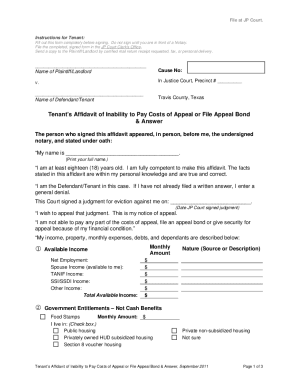
- Motion Form: A standard template or form provided by the Maryland courts for submitting the motion.
- Supporting Affidavits: Sworn statements proving new facts or verifying the authenticity of new evidence.
- Legal Briefs: Detailed written arguments outlining the legal basis for reconsideration.
Each document contributes to substantiating the motion's grounds and must be completed with precision to bolster credibility and persuasiveness in court.
Form Submission Methods
In Maryland, there are multiple avenues to submit a motion for reconsideration:
- Online Submission: Some Maryland courts offer electronic filing systems for convenient submissions.
- Mail: Motion documents can be mailed directly to the court’s clerk, ensuring all deadlines are respected.
- In-Person: Personal delivery to the court can offer a direct confirmation of receipt, reducing potential filing errors.
Understanding these methods and observing court-specific preferences ensures the timely and correct submission of important legal documents.