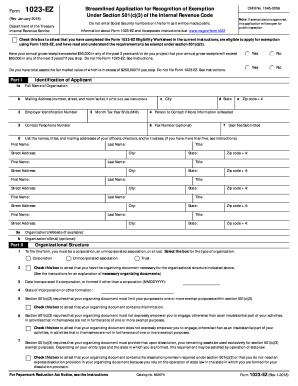
Definition & Meaning
The "Ten (10) Frequently Asked Questions" is a structured form used to convey essential information about a particular topic or document workflow. This form typically answers common inquiries that users or stakeholders might have, providing clarity and facilitating understanding of the processes involved. It serves as a reliable reference tool to assist users in comprehensively grasping the subject matter, offering a concise yet detailed overview.
How to Use the Ten (10) Frequently Asked Questions
To effectively use the Ten (10) Frequently Asked Questions, follow these steps:
-
Identify Your Needs: Determine the specific questions or areas of uncertainty you have related to the document workflow or topic in question.
-
Refer to the List: Access the comprehensive list of frequently asked questions, which should be organized in a logical sequence to guide you through the information effectively.
-
Review Detailed Answers: Each question is accompanied by an in-depth explanation, providing specific examples and scenarios to enhance understanding.
-
Apply the Information: Use the insights gained from the answers to inform your actions or decisions related to document editing, sending, or signing processes via platforms like DocHub.
-
Seek Further Clarification: If any questions remain unanswered, consider reaching out to support services or additional resources for further assistance.
Steps to Complete the Ten (10) Frequently Asked Questions
Completing the Ten (10) Frequently Asked Questions involves several key steps:
-
Thorough Reading: Carefully read each question to ensure comprehension of what is being asked.
-
Research and Collaborate: If necessary, conduct additional research or collaborate with others to gather accurate and comprehensive responses.
-
Draft Responses: Formulate clear and concise answers, referencing any relevant guidelines, legal considerations, or platform-specific features.
-
Review and Revise: Proofread and revise the responses for accuracy, coherence, and consistency with existing documentation or operational protocols.
-
Finalize and Share: Once finalized, distribute the completed FAQ to relevant stakeholders, ensuring it is accessible and easy to reference.
Legal Use of the Ten (10) Frequently Asked Questions
Understanding the legal implications associated with the Ten (10) Frequently Asked Questions is crucial:
-
Compliance with Regulations: Ensure that responses comply with applicable laws and regulations, such as data protection acts, especially regarding sensitive information.
-
Truthfulness and Accuracy: All provided answers should be truthful and accurate, aligning with established legal standards to mitigate risks of misinformation.
-
Confidentiality Considerations: Address confidentiality issues by refraining from including proprietary or sensitive information without appropriate security measures.
-
Terms and Conditions: When applicable, include any terms and conditions that users need to acknowledge or adhere to while engaging with the document workflow processes.
Key Elements of the Ten (10) Frequently Asked Questions
The key elements of structuring an effective Ten (10) Frequently Asked Questions form include:
-
Conciseness and Clarity: Questions and answers should be concise and clear, avoiding unnecessary jargon to enhance understanding.
-
Comprehensive Coverage: Provide responses that cover a broad spectrum of potential user queries, offering thorough explanations where needed.
-
Real-world Scenarios: Incorporate practical examples or case studies to illustrate the application of information.
-
Logical Organization: Questions should be organized logically, progressing from basic to complex topics, easing the information-seeking process.
-
User-focus: Tailor responses to the needs and objectives of the target audience, ensuring information is relevant and practical.
Examples of Using the Ten (10) Frequently Asked Questions
Several scenarios demonstrate the practical use of the Ten (10) Frequently Asked Questions:
-
Onboarding New Team Members: Provide new employees with FAQs to quickly bring them up to speed on document workflow processes within the organization.
-
Customer Support Training: Equip customer support teams with FAQs to address common user inquiries efficiently and enhance service delivery.
-
Stakeholder Briefings: Use FAQs to inform stakeholders about changes in document management strategies, ensuring transparent and effective communication.
-
Product Updates: Include FAQs as part of release notes or update communications to explain new features or changes in digital tools like DocHub.
Form Submission Methods: Online, Mail, and In-Person
Understanding the different methods for submitting forms related to the Ten (10) Frequently Asked Questions is essential:
-
Online Submission: Offers ease and speed, allowing forms to be submitted electronically via platforms like DocHub, accessible from various devices.
-
Mail Submission: Traditional method suitable for those preferring physical documentation, albeit with longer turnaround times.
-
In-Person Submission: Direct submission that facilitates immediate interaction, useful in cases where additional guidance or confirmation is necessary.
Each submission method has specific requirements and benefits, and users should choose based on convenience, security needs, and institutional requirements.
Digital vs. Paper Version
When addressing the Ten (10) Frequently Asked Questions, it's important to consider the advantages and disadvantages of digital versus paper versions:
-
Digital Versions: Provide enhanced accessibility and storage efficiency, enabling easy editing and distribution. Digital forms can incorporate interactive elements like hyperlinks and multimedia.
-
Paper Versions: Offer tangible records and may be preferred in contexts where digital literacy or access is limited. They provide a traditional approach to document handling that some users find reliable.
Each version has its contextual advantages, and choosing between them should be based on user preference, accessibility, and specific organizational processes.
Eligibility Criteria
Eligibility criteria for accessing or using the Ten (10) Frequently Asked Questions can vary based on context:
-
Intended Audience: Identify who the FAQs are designed for, such as employees, clients, or the general public.
-
Prerequisite Knowledge: Consider any necessary prior understanding or experience required to make the most of the information provided.
-
Use Cases: Determine specific scenarios or use cases where the FAQs apply, helping users gauge relevance before engagement.
Eligibility assessments ensure users access the most applicable and beneficial information, optimizing the FAQ’s utility.