Temporary Protective Order - Ex Parte Order (3 10 2014)-2026

Get Form
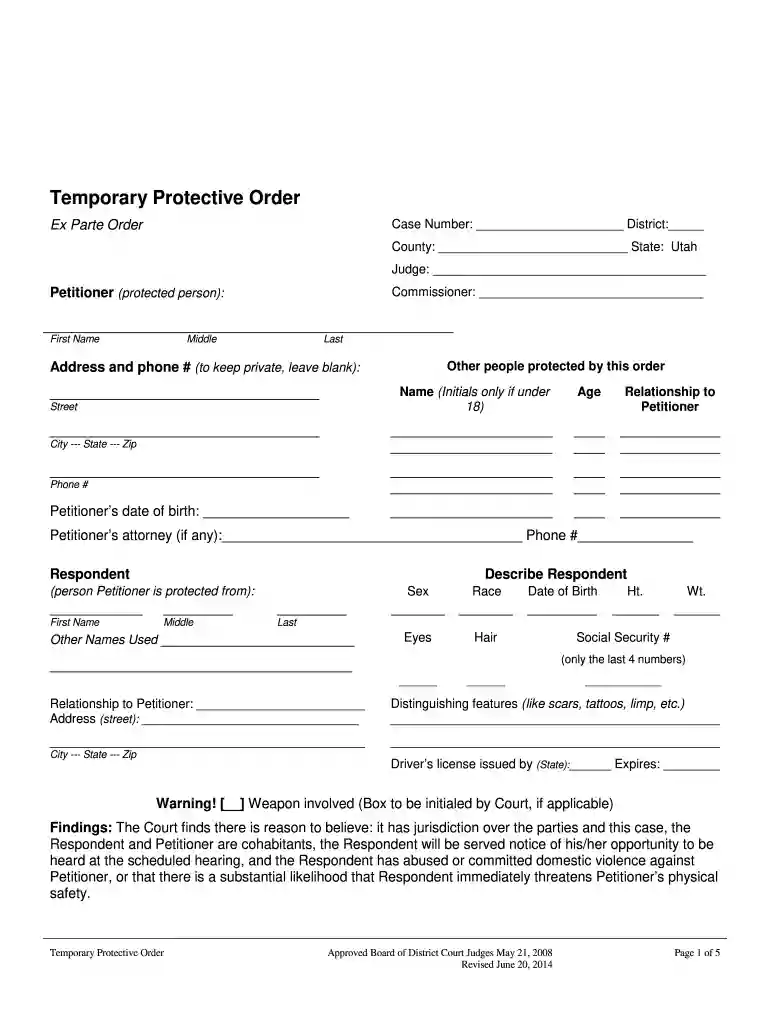
Temporary Protective Order - Ex Parte Order (3 10 2014) Preview on Page 1

Here's how it works

01. Edit your form online
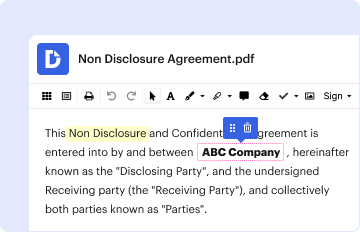
Type text, add images, blackout confidential details, add comments, highlights and more.

02. Sign it in a few clicks
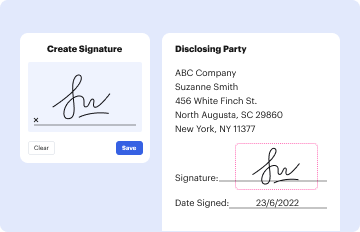
Draw your signature, type it, upload its image, or use your mobile device as a signature pad.

03. Share your form with others
Send it via email, link, or fax. You can also download it, export it or print it out.

Understanding the Temporary Protective Order - Ex Parte Order

A "Temporary Protective Order - Ex Parte Order" is a legal mandate issued by a court, primarily aimed at safeguarding an individual (the petitioner) from another individual (the respondent) who is alleged to have committed domestic violence or poses a significant risk to the petitioner's safety. This order is designed to provide immediate protection by imposing specific restrictions on the respondent.


Key Elements and Provisions

  • Protection from Contact: The respondent is generally prohibited from contacting the petitioner, which may include phone calls, text messages, emails, or in-person interactions.
  • Restricted Access to Locations: The order may specify certain locations that the respondent must avoid, such as the petitioner's home, workplace, or school.
  • Weapon Possession Prohibitions: Respondents are often barred from possessing firearms or other dangerous weapons during the term of the order.
  • Validity and Duration: This order remains effective until the scheduled court hearing, where both parties have the opportunity to present their case.

How to Use the Temporary Protective Order

Initiating the Order

  1. Petitioner's Request: The process begins when the petitioner files a request for a Temporary Protective Order, outlining the reasons necessitating protection.
  2. Ex Parte Hearing: A judge reviews this request in an ex parte hearing, which means the decision can be made without the respondent's presence for immediate effect.

Enforcement and Compliance

  • Serving the Respondent: Once the order is granted, it must be formally served to the respondent by law enforcement or designated individuals.
  • Monitoring Compliance: Authorities typically oversee compliance, and any breach of the order may lead to legal repercussions, including arrest or additional charges.

Obtaining the Temporary Protective Order

Filing the Request

  • Required Documentation: The petitioner must complete specific forms that substantiate claims of threats or abuse, providing detailed accounts of incidents and any evidence available.
  • Submitting the Forms: These documents can usually be filed with the court clerk in person, and some jurisdictions may offer online submission options.

Approval Process

  • Initial Review: The court swiftly reviews the submission to determine if an immediate ex parte order is warranted.
  • Court Hearing Scheduling: A full court hearing is scheduled to discuss the permanence of the protective order.

Important Legal Terms and Definitions

Critical Terminology

  • Petitioner: The individual seeking protection by filing the order.
  • Respondent: The person against whom the order is filed.
  • Ex Parte: A legal proceeding conducted for the benefit of one party, without the other party being present.

Legal Implications

  • Temporary Protection: Provides short-term safety measures pending a full court hearing.
  • Restraining Order: A broader legal order that may provide similar protections but can differ in scope and duration from a temporary protective order.

State-Specific Rules and Considerations

Regional Variations

  • Utah Provisions: In Utah, these orders are governed by specific laws that dictate their application and enforcement. Understanding the state's legal framework is critical for both petitioners and respondents.
  • Interstate Recognition: While the order is issued within a specific state, certain federal laws may require it to be recognized across state lines to ensure continuous protection.

Compliance and Enforcement

  • State Resources: Consulting local legal aid or family justice centers can provide tailored guidance on securing and enforcing the order in accordance with state laws.

Steps to Complete the Temporary Protective Order

Completing the Forms

  1. Documenting Information: Carefully outline all incidents of alleged threats or violence, including dates, locations, and any witnesses.
  2. Filing with the Court: Once completed, submit the forms to the appropriate court authority—often the family court in the jurisdiction where the petitioner resides or where the incidents occurred.

Preparing for the Court Hearing

  • Gathering Evidence: Compile all relevant evidence such as photographs, medical records, and communication logs to support the case.
  • Legal Representation: Consider engaging an attorney experienced in family law to help navigate the complexities of the hearing and protect legal rights effectively.

Who Typically Uses the Temporary Protective Order

decoration image ratings of Dochub

Common Users

  • Domestic Violence Victims: Individuals facing actual or threatened abuse often utilize these orders as an initial step toward ensuring their safety.
  • Family Members: Orders are sometimes sought by family members or guardians on behalf of the victim.
decoration image

Scenarios

  • Relationship Contexts: Used predominantly in domestic or intimate partner situations, although they can apply to other contexts as well, including harassment by acquaintances or strangers.

Legal Use and Compliance with the Order

Obligations for Compliance

  • Petitioner's Responsibilities: The petitioner must maintain records and report any violations of the order.
  • Respondent's Requirements: The respondent has a legal obligation to adhere to all conditions outlined in the order to avoid further legal action.

Penalties for Non-Compliance

  • Legal Repercussions: Failure to comply with the order can lead to arrest, incarceration, fines, and negatively impact any concurrent legal proceedings, such as custody cases.

Examples of Using the Temporary Protective Order

Real-World Scenarios

  • Immediate Threats: An individual facing an urgent threat of violence from a partner may file for a temporary protective order to remove the partner from their shared residence.
  • Workplace Encounters: If the respondent frequently visits the petitioner's workplace, the order can explicitly forbid this behavior to ensure safety at work.

Case Study

  • Jessie's Case in Utah: Jessie, a Utah resident, successfully obtained a temporary protective order against an ex-partner who had made threatening remarks and harassed them at home. Through proper documentation and legal channels, Jessie secured the order until the court hearing, which provided immediate respite and legal backing.

By understanding the nuances and procedures related to a Temporary Protective Order - Ex Parte Order, individuals can better navigate the legal pathways available for personal safety and protection within the U.S. legal system.

See more Temporary Protective Order - Ex Parte Order (3 10 2014) versions

We've got more versions of the Temporary Protective Order - Ex Parte Order (3 10 2014) form. Select the right Temporary Protective Order - Ex Parte Order (3 10 2014) version from the list and start editing it straight away!
Versions Form popularity Fillable & printable
2020 4.8 Satisfied (170 Votes)
2015 4.4 Satisfied (119 Votes)
2014 4.3 Satisfied (40 Votes)
be ready to get more

Complete this form in 5 minutes or less

Get form

Got questions?

We have answers to the most popular questions from our customers. If you can't find an answer to your question, please contact us.
Contact us
Ex parte protection orders A judge can grant an ex parte protection order if you show that there is a high probability of immediate risk of abuse or there is a chance that notifying the abuser of the order in advance will cause the harm that the protection order is intended to prevent.
Ex parte orders are quick emergency steps, often given without all parties being there. On the other hand, restraining orders are longer-lasting and need a full hearing. Knowing the difference is important for those seeking protection or facing these orders.
A temporary restraining order (TRO) or temporary protective order (TPO) is a court order signed by a judge that requires someone to stop harming or stalking you for a certain amount of time.
It can last for a maximum of 20 days. To obtain a Final Protective Order the respondent must be served and must have the opportunity to appear in court. Typically, the Temporary Ex-Parte Protective Order and the Final Protective Order contain the same provisions.
The primary difference lies in the relationship between the parties. Restraining orders are typically used in non-domestic situations involving harassment, stalking, or civil disputes. Protective orders are used in cases of domestic violence or abuse where the abuser has a close personal relationship with the victim.

Security and compliance

At DocHub, your data security is our priority. We follow HIPAA, SOC2, GDPR, and other standards, so you can work on your documents with confidence.

Learn more
ccpa2
pci-dss
gdpr-compliance
hipaa
soc-compliance
be ready to get more

Complete this form in 5 minutes or less

Get form