







Definition & Meaning
Chapter 60BB-2 of the Florida Administrative Code pertains to specific regulations within the state of Florida. It includes detailed rules and guidelines set forth by the Florida Department of Economic Opportunity. This chapter focuses on the oversight and management of employment practices, particularly those concerning unemployment compensation, reemployment assistance, and related administrative proceedings. By establishing clear parameters, Chapter 60BB-2 helps ensure that employers and employees adhere to state laws regarding employment practices, thereby promoting fair treatment in the workplace.
How to Use Chapter 60BB-2 - Florida Administrative Code
Utilizing Chapter 60BB-2 involves understanding the intricacies of the regulations it contains. Individuals or entities should start by reviewing the full text of the chapter to match their specific needs, whether it's compliance, legal inquiries, or administrative processes. Employers must ensure that their HR policies align with these guidelines, particularly in areas such as employee classification, wage regulations, and unemployment insurance procedures. For employees, possessing a clear understanding of the rules can aid in recognizing their rights and responsibilities relating to employment and potential claims for reemployment services.
Steps to Complete the Chapter 60BB-2 - Florida Administrative Code
-
Review the Regulations: Begin by thoroughly reading Chapter 60BB-2 to identify the sections pertinent to your situation.
-
Consult Legal Guidance: If there are complex areas or implications, seek advice from legal professionals specializing in labor law.
-
Document Submission: Prepare any required documentation based on the chapter's stipulations. This may involve form completion, which should adhere to specified formats.
-
Compliance Check: Validate that all employment practices meet the outlined policies and any exceptions or requirements are noted.
-
File Documents: Submission can be done either online or via mail as directed in the guidelines.
Key Elements of Chapter 60BB-2 - Florida Administrative Code
-
Employee and Employer Definitions: Clarifies who qualifies as an employer and employee under Florida law, influencing their respective rights and duties.
-
Reemployment Tax: Details the tax obligations of employers related to unemployment insurance.
-
Claim Processes: Outlines steps for employees to file claims for unemployment benefits and the necessary documentation required from employers.
-
Appeals Procedure: Describes the process for appealing decisions regarding unemployment claims, ensuring both employers and employees have opportunities to contest determinations.
Important Terms Related to Chapter 60BB-2
-
Reemployment Assistance: Refers to Florida's system of unemployment compensation aimed at helping individuals transition between jobs.
-
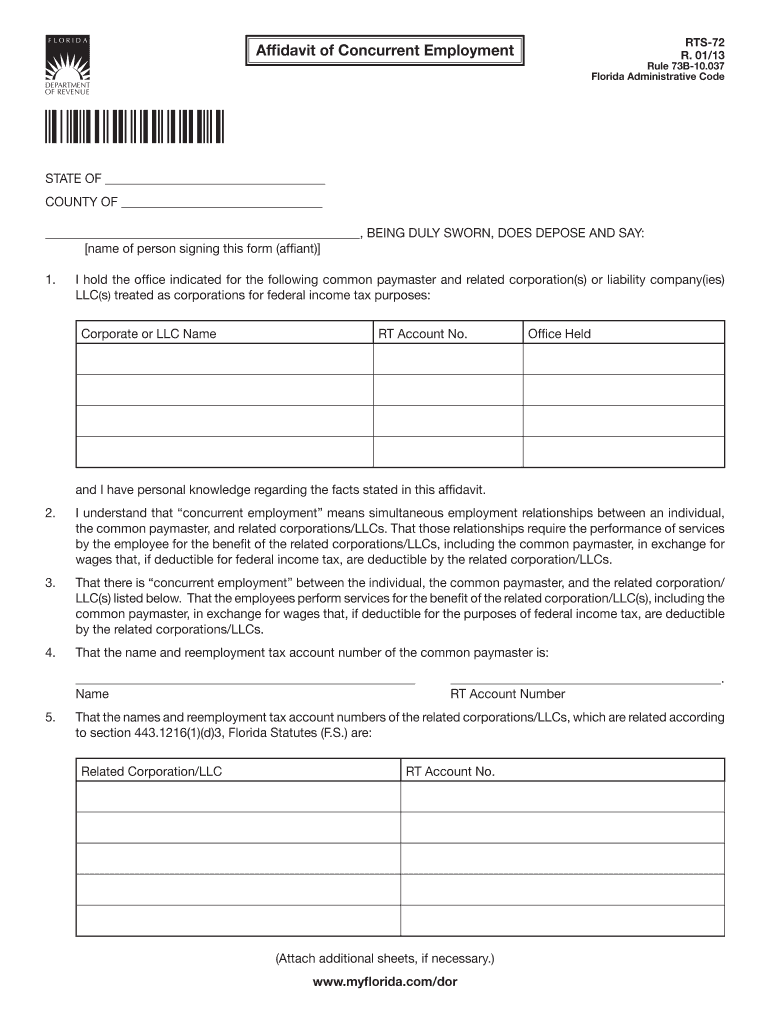
Common Paymaster: An employer who simultaneously manages payroll for multiple businesses, often a point of clarification within Chapter 60BB-2.
-
Administrative Proceedings: Encompasses hearings and processes that arise under disputes regarding employment and unemployment claims.
Legal Use of Chapter 60BB-2 - Florida Administrative Code
Legal application of Chapter 60BB-2 involves adherence to state-mandated employment laws. Employers must integrate these regulations into their standard business practices to avoid potential legal disputes or penalties. Additionally, legal professionals may reference this chapter when advising clients on matters of employment law to ensure full compliance and proper protocol handling.
State-Specific Rules for Chapter 60BB-2
-
Florida-Specific Employment Laws: Chapter 60BB-2 includes customized rules that directly impact employers and employees only within the state of Florida.
-
Tailored Guidelines for Reemployment: Unique provisions impacting how unemployment claims are processed and handled in Florida compared to other states.
-
Localized Tax Obligations: Reemployment tax calculations and obligations defined in a manner that pertains specifically to Florida's economic and legal environment.
Examples of Using Chapter 60BB-2
-
Employment Disputes: A business facing a claim for unemployment benefits may refer to Chapter 60BB-2 to ensure all documentation and proceedings meet state requirements.
-
Employee Claims: Workers seeking reemployment assistance can review the chapter to understand eligibility requirements and documentation necessary for filing a claim.
-
Shared Payroll Services: Companies using a common paymaster structure can reference Chapter 60BB-2 for guidance on compliance with payroll regulations.
Who Issues Chapter 60BB-2 - Florida Administrative Code
The Florida Department of Economic Opportunity issues and maintains Chapter 60BB-2. This department oversees employment-related functions, ensuring that state employment laws are current and effectively implemented throughout Florida's workforce. Any updates or revisions to the chapter are communicated through official channels provided by the department.
Penalties for Non-Compliance
Failure to adhere to the guidelines outlined in Chapter 60BB-2 can result in legal repercussions including fines, penalties, or more significant sanctions against violators. Employers may face audits or legal challenges if found in non-compliance, while employees might forfeit their right to claim benefits if they provide false information or fail to comply with set rules.
Eligibility Criteria
Eligibility under Chapter 60BB-2 involves meeting specific conditions set for both employers and employees. Employers must satisfy state registration and tax obligations, while employees filing for unemployment benefits must meet criteria such as past employment history, earning thresholds, and the reasons for unemployment.


Software Compatibility (TurboTax, QuickBooks, etc.)
Compatibility with software such as TurboTax, QuickBooks, and similar platforms can facilitate compliance and filing processes. Businesses and tax professionals often leverage these applications to ensure that reemployment taxes and related employment filings align with Chapter 60BB-2 requirements, simplifying data management and submission through integrated digital solutions.




