
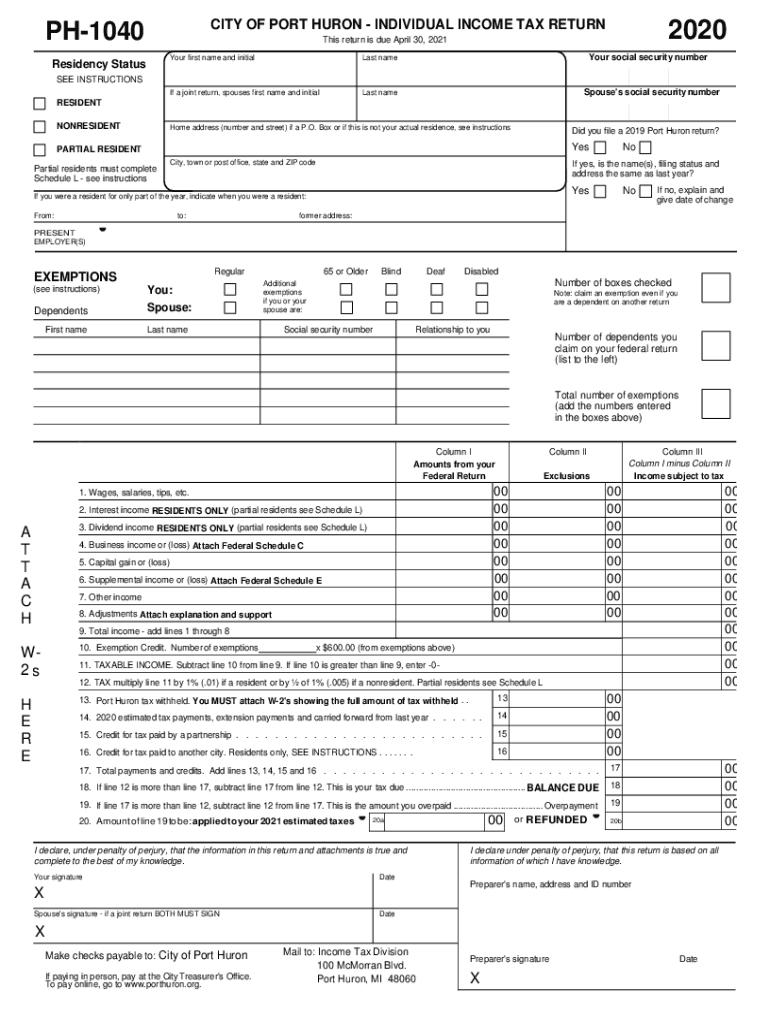







Definition and Meaning of IRS Extended Federal Tax Deadline
The term "IRS extended the federal tax deadline" refers to the scenario where the Internal Revenue Service (IRS) has decided to postpone the usual due date for filing federal tax returns. This extension can be applicable for various reasons, such as natural disasters, pandemics, or administrative reasons unique to a particular financial year. Importantly, this federal extension does not automatically apply to state tax returns, which might have separate deadlines depending on the regulations of each state.
Why Extensions Occur
-
Natural Disasters: Hurricanes, floods, or wildfires can prompt the IRS to extend deadlines to aid affected taxpayers.
-
Pandemics: Widespread health crises, like the COVID-19 pandemic, can lead to extensions.
-
Technical Issues: Failures in filing infrastructure might necessitate an extension.
Impact on State Tax Returns
While the federal deadline may be extended, it is important for taxpayers to verify if their respective states have also extended their deadlines, as state regulations can vary independently.
How to Use the IRS Extended Federal Tax Deadline for State Returns
Leveraging an IRS extension is crucial, especially when considering related state tax obligations. Taxpayers should be aware of how to manage both federal and state filing deadlines effectively.
Steps to Utilize an IRS Extension
-
Check State Guidelines: Determine if your state's filing deadline is extended alongside the federal extension.
-
Prepare Federal and State Documents: Ensure all documents for both federal and state returns are ready, even if deadlines differ.
-
Submit Forms Appropriately: Use the federal extension timeline to organize your submissions efficiently.
-
Consult Tax Professionals: Engaging with tax advisors can be beneficial in strategically aligning federal and state tax actions.
Steps to Complete the IRS Extended Federal Tax Deadline Form
Filing under an extended deadline involves specific steps to adhere to compliance and maximize the benefit of additional time.
Preparing Necessary Documentation
-
Gather Financial Records: Collect income statements, deductions, and credit documentation well in advance.
-
Verify Previous Submission: Ensure that past forms and current extensions align with the IRS's latest directives.
Filing Process in Detail
-
Complete the Federal Return: Use tax preparation software or manual forms to finalize federal returns by the new extended deadline.
-
Coordinate with State Returns: If state returns have different deadlines, separate each process to meet respective timelines.
-
Review Thoroughly: Double-check calculations and attached documents to mitigate filing errors.
Key Elements of IRS Deadline Extensions for Tax Compliance
Understanding core elements of extension scenarios can help taxpayers navigate filing requirements effectively.
Critical Components
-
Revised Dates: Identification of the new filing period and ensuring awareness among relevant parties.
-
Penalties and Interest: Acknowledge how extensions may affect potential penalties or interest accrual on unpaid taxes.
Documentation Essentials
- IRS Notices: Keep official IRS notices and confirmations regarding any granted extensions, as they serve as important proof of compliance.
State-Specific Rules and Variations
Each state may have unique rules on how federal extensions affect local tax obligations. Taxpayers should research specific regulations that apply to their jurisdiction.
Examples of State Differences
-
Automatic Extensions: Some states may offer automatic extensions, while others require explicit requests.
-
Independent Deadlines: States like California and New York may continue with fixed deadlines, irrespective of federal extensions.
Filing Deadlines and Important Dates
Being aware of critical dates is central to successful tax compliance. Extensions can shift the timeline for both federal and state tax obligations.
Tracking Deadlines
-
IRS Announcements: Monitor IRS communications frequently for any deadline changes.
-
State Websites: Regularly visit state tax authority websites for up-to-date information on local filing deadlines.
Suggested Timeline Management
- Calendar Reminders: Create digital calendar alerts to track approaching deadlines that coincide with filing extensions.
IRS Guidelines and Instructions
The IRS provides specific guidelines for managing filing extensions, which are crucial for ensuring that tax obligations are met without penalties.
Guideline Highlights
-
Official Publications: Research IRS publications that discuss extensions and understand how they influence your tax responsibilities.
-
Professional Consultations: Seeking the advice of tax specialists can ensure adherence to nuanced IRS guidelines effectively.
Practical Scenarios and Examples of Using the Extended Deadline
Illustrating how real-life scenarios unfold when dealing with extended deadlines can offer clearer insights to taxpayers.
Scenario Overviews
-
Natural Disaster Impacted Areas: Taxpayers in declared disaster areas automatically qualify for extensions, illustrating the importance of being informed about local severe weather reports.
-
Health Crisis Considerations: Widespread health crises like pandemics provide extensions, requiring coordination between health advisories and tax planning.
These comprehensive sections are crafted to ensure taxpayers have a maximum understanding of handling IRS extensions for federal tax deadlines concerning state returns while emphasizing strategic planning and resource utilization.




