(Unit Command Name) 2026

Get Form
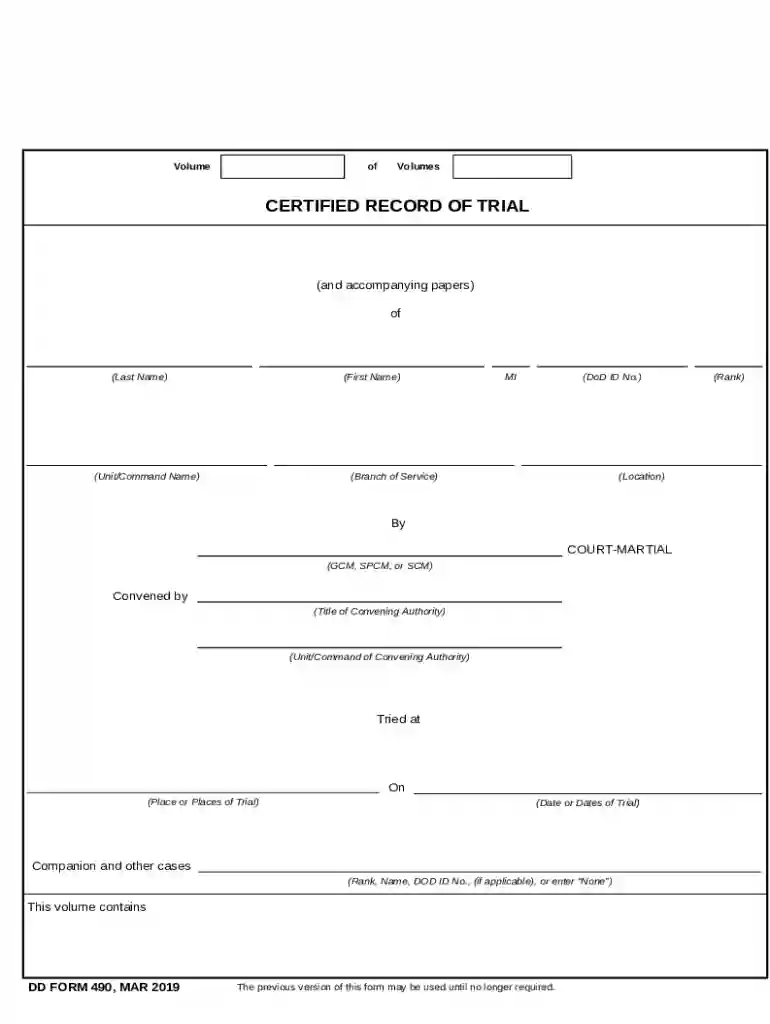
(Unit Command Name) Preview on Page 1

Here's how it works

01. Edit your form online
Type text, add images, blackout confidential details, add comments, highlights and more.

02. Sign it in a few clicks
Draw your signature, type it, upload its image, or use your mobile device as a signature pad.

03. Share your form with others
Send it via email, link, or fax. You can also download it, export it or print it out.

Definition & Meaning

The term "(Unit Command Name)" often serves as a formal designation within military or organizational contexts, identifying a specific command or administrative unit responsible for overseeing particular operations. Understanding the intricacies of this term is crucial as it encompasses not only the structural identity of a unit, but also its functional scope and command responsibilities. Such units typically play pivotal roles in maintaining order, enforcing regulations, and executing strategic directives. The nomenclature often reflects hierarchical command structures and operational focus within larger systems.

  • Command Structure: Typically associated with military or defense organizations, the (Unit Command Name) signifies a structured group handling specific duties under a chain of command.
  • Functional Role: These units are tasked with particular missions, ranging from tactical operations to administrative management, underscoring their importance in strategic execution.
  • Organizational Identity: The naming convention often reflects the unit's geographical focus, operational specialization, or leadership structure, providing insights into its primary objectives.

How to Use the (Unit Command Name)

Utilizing the "(Unit Command Name)" effectively involves understanding its purpose within the broader organizational landscape. This might require comprehension of specific protocols, followed by strategic approaches tailored to achieve designated objectives. The process generally entails collaborative coordination, resource management, and timely execution of tasks aligned with the unit's mandate.

  1. Identify Objectives: Begin by clearly defining the goals associated with the unit to align efforts with its strategic priorities.
  2. Engage with Members: Collaborative engagement with team members ensures shared understanding and coordination, crucial for successful outcomes.
  3. Resource Allocation: Efficiently distribute available resources to maximize operational efficiency, supported by strong logistical planning.
  • Strategic Planning: Leverage strategic planning techniques to prioritize actions and ensure alignment with overarching missions.
  • Assess Performance: Implement performance assessment measures to track progress and optimize future plans.

Steps to Complete the (Unit Command Name)

Completing tasks associated with the "(Unit Command Name)" involves a series of methodical steps designed to ensure accuracy and compliance with established protocols. Identifying required actions and documenting each phase ensures comprehensive fulfillment of responsibilities.

Step-by-Step Process

  1. Gather Necessary Information: Assemble all relevant data and documents necessary for task completion.
  2. Outline Plan: Develop a detailed plan outlining specific actions and timelines.
  3. Execute Tasks: Assign tasks to appropriate team members and monitor execution.
  4. Review & Adjust: Continuously assess progress and make necessary adjustments to address challenges.
  5. Finalize & Report: Upon completion, consolidate all outputs and produce a final report for record-keeping or onward submission.
  • Documentation: Maintain comprehensive records throughout the process to ensure compliance and facilitate reviews.
  • Feedback Loop: Establish a mechanism for gathering feedback to identify areas of improvement.

Why Should You Engage with the (Unit Command Name)

Engaging with the "(Unit Command Name)" allows organizations and individuals to benefit from its structured approach to operations, extensive resources, and experienced leadership. This involvement enhances the ability to achieve specific strategic objectives while leveraging collective expertise.

  • Operational Efficiency: Structured approaches foster an environment conducive to streamlined processes and operational efficiency.
  • Support Network: Engaging offers access to a support network of seasoned professionals, providing valuable guidance.
  • Strategic Advantage: Leveraging the unit’s capabilities often results in a strategic advantage, offering significant benefits in competitive or mission-critical scenarios.

Who Typically Uses the (Unit Command Name)

Typically, the "(Unit Command Name)" is employed by organizations requiring structured oversight, operational coordination, and strategic implementation of tasks. These users often encompass a diverse range of sectors, each benefiting from the command's expertise in different ways.


  • Military & Defense: Frequently utilized by military branches for operational command and control.
  • Corporate Entities: Some large corporations leverage similar structures for internal management and project oversight.
  • Government Agencies: Used by government sectors that require structured operational management for efficient policy implementation.
decoration image ratings of Dochub

Key Elements of the (Unit Command Name)

Understanding the key elements of the "(Unit Command Name)" provides insight into its operational framework, essential functions, and core attributes guiding its activities. Recognizing these components facilitates effective interaction and utilization of the unit's capabilities.

Core Components

  1. Command Framework: Provides a structured hierarchy and chain of command essential for decision-making.
  2. Operational Mandate: Defines the primary mission areas and strategic objectives guiding actions.
  3. Resource Management: Involves overseeing resource allocation and logistical support to ensure mission success.
  4. Performance Metrics: Metrics and evaluation criteria that guide improvement and assess unit effectiveness.
  • Communication Protocols: Establishes clear communication channels and reporting structures.
  • Risk Management: Systems for identifying potential risks and implementing mitigation strategies.

Required Documents for the (Unit Command Name)

Engaging with the "(Unit Command Name)" often requires specific documentation to ensure proper compliance and effective coordination with established procedures. These documents typically include operational guides, identification records, and necessary forms for aligning with command objectives.

  1. Operational Guidelines: Provides a comprehensive overview of procedures, standards, and regulations governing the unit.
  2. Identification & Credentials: Necessary for verifying identities and authorizing access to resources and locations.
  3. Transaction Records: Includes forms and logs documenting interactions, transactions, and communications.
  • Compliance Certificates: Ensures adherence to legal and procedural requirements.
  • Resource Allocation Forms: Used for tracking distribution and utilization of unit resources.

Legal Use of the (Unit Command Name)

Legal considerations surrounding the use of the "(Unit Command Name)" involve compliance with national regulations, adherence to operational mandates, and ensuring that activities align with legal boundaries. A comprehensive understanding of these legal aspects ensures that the unit operates within permissible limits while achieving its objectives.

  • Compliance with Regulations: Ensures that all operations conform to legal standards and governmental mandates.

  • Ethical Considerations: Activities must align with ethical guidelines and respect for rights and duties.

  • Documentation & Reporting: Legal obligations often necessitate detailed reporting and documentation to maintain transparency.

  • Risk Management: Implement strategies to mitigate legal risks associated with failing to adhere to established protocols.

  • Advisory Services: Seeking legal counsel to navigate complex legal landscapes can enhance decision-making and risk management.

See more (Unit Command Name) versions

We've got more versions of the (Unit Command Name) form. Select the right (Unit Command Name) version from the list and start editing it straight away!
Versions Form popularity Fillable & printable
2019 4.9 Satisfied (57 Votes)
2000 4 Satisfied (38 Votes)
be ready to get more

Complete this form in 5 minutes or less

Get form

Got questions?

We have answers to the most popular questions from our customers. If you can't find an answer to your question, please contact us.
Contact us
Defining Command and Control Joint doctrine defines command as the authority a military commander lawfully exercises over subordinates to assign missions.
What is a Command Unit? Command Units are specialised vehicles equipped with a large working area, computers, and communications equipment. Each unit is staffed by at least two Sub Officers wearing red and white chequered tabards labelled Command Support.
A command in military terminology is an organisational unit for which a military commander is responsible. Commands, sometimes called units or formations, form the building blocks of a military. A commander is normally specifically appointed to the role in order to provide a legal framework for the authority bestowed.
The commanding officer (CO) or commander, or sometimes, if the incumbent is a general officer, commanding general (CG), is the officer in command of a military unit.
The number and type of command posts the PLAA uses are situationally dependent, with up to four typically used to control operations: a base command post, an advance command post, a rear command post, and a reserve command post. Command posts are led by a commander and manned by various command groups.

Security and compliance

At DocHub, your data security is our priority. We follow HIPAA, SOC2, GDPR, and other standards, so you can work on your documents with confidence.

Learn more
ccpa2
pci-dss
gdpr-compliance
hipaa
soc-compliance

People also ask

There are three types of commands: Army Commands, Army Service Components Commands (ASCCs), and Direct Reporting Units (DRUs).