




01. Edit your form online
Type text, add images, blackout confidential details, add comments, highlights and more.

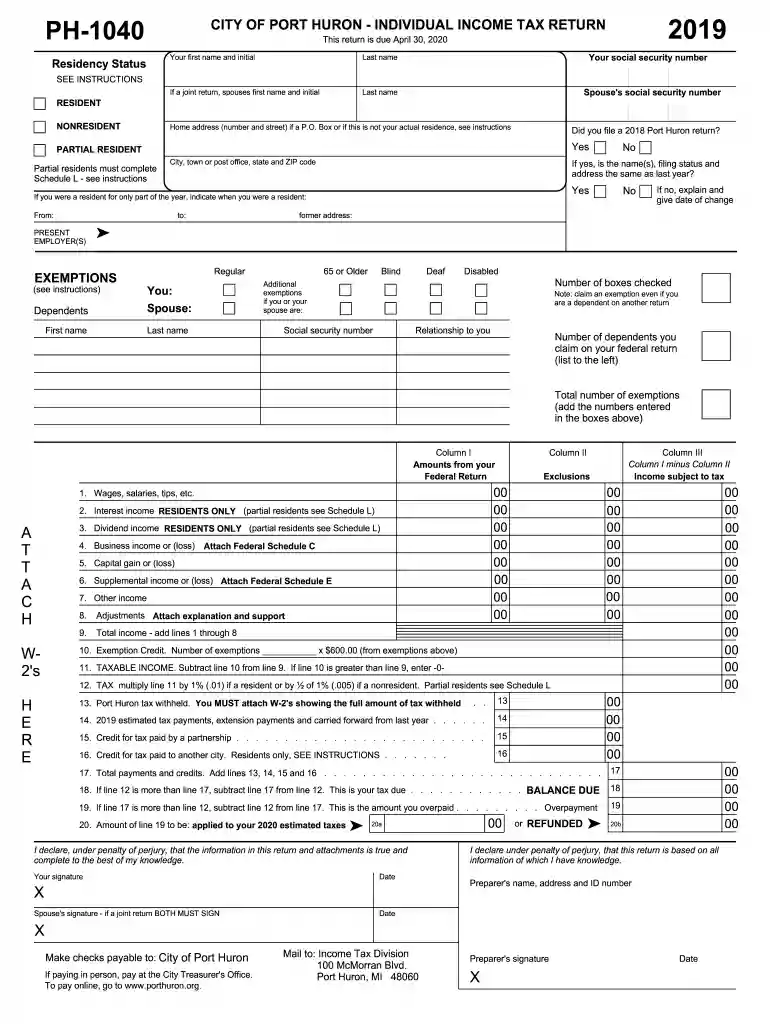
Type text, add images, blackout confidential details, add comments, highlights and more.

Draw your signature, type it, upload its image, or use your mobile device as a signature pad.

Send it via email, link, or fax. You can also download it, export it or print it out.
Form 4917, officially titled "Michigan Department of Treasury Instructions for Form 4917," provides detailed guidance for submitting the Individual Income Tax Withholding Summary. Its purpose is to assist employers in accurately reporting withheld taxes to the state of Michigan. This form ensures that the employers' tax obligations are met efficiently, reflecting proper income and tax details to prevent any discrepancies. Employers across Michigan rely on this form to maintain compliance with state tax laws. As a fundamental resource, it outlines the necessary steps and information required to complete the withholding summary accurately.
Gather Necessary Information: Before you begin, collect all payroll data for the reporting year. This includes total wages paid and amounts withheld for each employee.
Fill Out Required Fields: Enter your business's identification details, such as the Employer Identification Number (EIN) and contact information, into Form 4917.
Report Income and Withholding: Accurately note total employee compensation and the sum of state taxes withheld. These figures should match the amounts reported on employee W-2 forms.
Verify and Submit the Form: Double-check all entries for accuracy to avoid future audits. Submit your completed Form 4917 by the prescribed deadline to the Michigan Department of Treasury.
The Michigan Department of Treasury sets firm deadlines for the submission of Form 4917. Generally, the form is due by the end of February following the tax year being reported. Employers must abide by these deadlines to avoid penalties. Marking these key dates on your calendar early and setting reminders can aid in ensuring timely submission. Additionally, be aware of any extensions or changes that may be announced by the state treasury.
Employers using Form 4917 must adhere to Michigan’s legal requirements for tax reporting. Non-compliance or inaccurate submissions can lead to penalties and audits. The information provided in the form is used to verify that employers are collecting and remitting the correct tax amounts on behalf of employees. It's crucial to maintain records of all transactions and submissions to demonstrate compliance if audited by the state treasury.
Primarily, Michigan employers utilize Form 4917 to report withholding information. This form is essential for businesses with employees as it enables the correct reporting of income tax withholdings. Both large corporations and small businesses must complete and submit this form accurately, ensuring state tax obligations are met without discrepancies. Employers across various industries, from retail to manufacturing, will find the form indispensable for their accounting needs.
Failing to submit Form 4917 by the stipulated deadline or providing inaccurate information can result in significant penalties. Common repercussions include fines, additional interest charges, and potential claims by the state for unpaid taxes. Ensuring that the form is submitted on time and filled out correctly is crucial to avoid these costly penalties. In severe cases, persistent non-compliance might lead to audits, where businesses are scrutinized more closely by the Michigan Department of Treasury.
Businesses often rely on software like TurboTax or QuickBooks to simplify the completion and submission of Form 4917. These platforms offer features that align with payroll and accounting tasks, facilitating automatic data entry and error-checking. Software solutions also ensure that all withholdings and total wages are correctly calculated and reported, reducing the chance of human error. Integration with accounting systems can streamline the submission process, enhancing accuracy and efficiency for Michigan employers.
The Michigan Department of Treasury is responsible for issuing and managing Form 4917. As the state’s tax authority, it oversees the submission and accuracy of Tax Withholding Summary reports. Employers needing guidance on the form can contact the department directly for assistance. The department also provides online resources and printable versions of the form to support Michigan businesses in meeting their tax obligations efficiently.
Employers must attach specific documents when filing Form 4917 to verify the information provided. This often includes copies of employee W-2 forms, which detail gross earnings and withholdings for the year. Additionally, maintaining a record of payroll reports, tax remittance payments, and other financial statements can be useful in proving compliance and facilitating an easier filing process. Keeping these documents organized throughout the year eases the burden of form submission and supports accurate tax reporting.
We've got more versions of the Michigan Department of Treasury Instructions for Form 4917 form. Select the right Michigan Department of Treasury Instructions for Form 4917 version from the list and start editing it straight away!
| Versions | Form popularity | Fillable & printable |
|---|---|---|
| 2024 | 4.6 Satisfied (30 Votes) | |
| 2023 | 4.5 Satisfied (42 Votes) | |
| 2022 | 4.7 Satisfied (80 Votes) | |
| 2021 | 4.3 Satisfied (128 Votes) | |
| 2020 | 3.9 Satisfied (43 Votes) | |
| 2019 | 4.2 Satisfied (45 Votes) | |
| 2018 | 3.9 Satisfied (27 Votes) | |
| 2017 | 4.2 Satisfied (39 Votes) | |
| 2016 | 4 Satisfied (51 Votes) | |
| 2015 | 4 Satisfied (33 Votes) | |
| 2014 | 3.9 Satisfied (39 Votes) | |
| 2013 | 4 Satisfied (44 Votes) | |
| 2012 | 4.4 Satisfied (53 Votes) | |
| 2011 | 4 Satisfied (58 Votes) | |
| 2010 | 4 Satisfied (48 Votes) |
At DocHub, your data security is our priority. We follow HIPAA, SOC2, GDPR, and other standards, so you can work on your documents with confidence.
Feb 19, 2020 Our and our franchisees licenses to sell alcoholic beverages must be renewed annually and may be suspended or revoked at any time for cause,
Call 1-800-TAX-FORM (1-800-829-3676) to order current year forms, instructions, and publications, and prior year forms and instructions. You should receive your


