
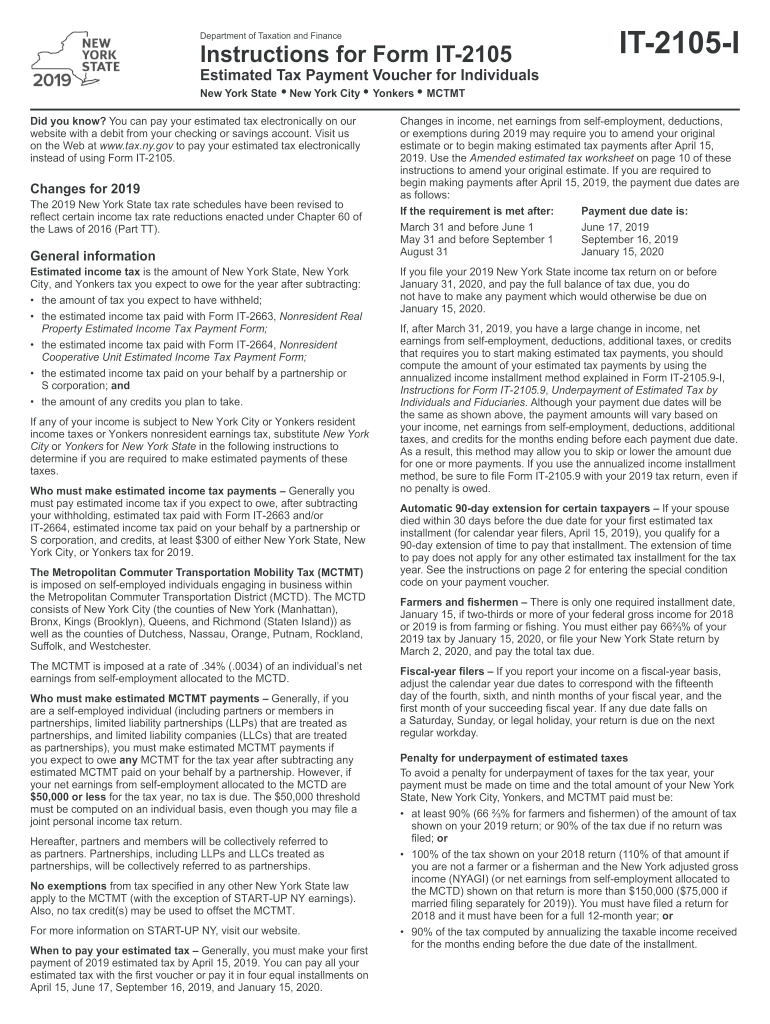







Definition and Meaning
The NY IT-201-I 2014 is a tax form used by individuals in New York State to report their annual income and calculate taxes owed. This form serves as a comprehensive document for taxpayers, delineating their financial situation, including income, deductions, credits, and tax liabilities. For 2014, it is crucial for compliant tax filings concerning state income taxes.
Detailed Explanation
- Primary Purpose: This form allows individuals to report various types of income, including wages, interests, dividends, and self-employment income.
- Tax Calculation: It outlines methods to determine the taxable amount and applicable state-specific deductions and credits.
- Reporting Requirements: This document needs accurate reporting of all income sources to ascertain correct tax liability.
How to Use the NY IT-201-I 2014 - Fill out Tax Template - US Legal Forms
The process of filling out the NY IT-201-I 2014 involves meticulous details about income and applicable deductions, facilitated by US Legal Forms templates.
Step-by-Step Process
- Download the Form: Access the form from a trusted source or US Legal Forms.
- Personal Information: Enter personal details, including name, address, and Social Security Number.
- Income Section: Report all income sources, ensuring all corresponding figures align with W-2s and other income statements.
- Deductions and Credits: Take note of potential deductions and credits applicable to your financial situation.
- Calculation of Tax: Use the provided tables and references to compute owned or refundable amounts.
Practical Tips
- Documentation: Gather and verify all necessary documents to provide accurate information.
- Software Use: Consider using tax software platforms compatible with this form to automate calculations.
Steps to Complete the NY IT-201-I 2014
Completing the NY IT-201-I 2014 accurately is essential for compliance and proper tax determination.
Pre-Preparation Steps
- Collect Necessary Documents: Gather W-2s, 1099s, mortgage interest statements, and identification documents.
Detailed Filling Instructions
- Section 1 - Identification: Fill in the taxpayer's and spouse's details.
- Section 2 - Income: Break down income sources, including wages, rental income, and other taxable earnings.
- Section 3 - Adjustments and Deductions: List potential adjustments such as tuition and fees or student loan interest deductions.
Cross-Verification
- Ensure Consistency: All numbers must match supporting information, avoiding discrepancies.
Important Terms Related to NY IT-201-I 2014
Understanding specific terms related to the NY IT-201-I 2014 can aid in correctly filling the form.
Key Definitions
- Adjusted Gross Income (AGI): Total income minus specific deductions, basis for additional credit and tax calculations.
- Tax Liability: The total amount of tax owed by the taxpayer based on reported income and deductions.
- Withholdings: Taxes withheld from paychecks, often reported on forms like the W-2.
Related Concepts
- Tax Credit vs. Deduction: Credits directly reduce tax liability, while deductions reduce taxable income.
- Taxable Income: The income amount subject to tax after deductions.
Required Documents for NY IT-201-I 2014
Accurate completion of the NY IT-201-I 2014 necessitates assembling and submitting various supporting documents.
Essential Documents
- Income Statements: W-2 forms for employed income, 1099 forms for freelance or self-employed income.
- Support for Deductions: Mortgage interest statements, real estate or personal property tax documents.
- Investment Records: Dividend and interest statements from financial institutions.
Filing Deadlines and Important Dates
Adhering to timelines is crucial for filing the NY IT-201-I 2014 without incurring penalties.
Key Dates
- Regular Filing Deadline: Usually aligns with federal tax deadlines, typically around April 15.
- Extension Requests: Obtainable for additional time, typically extending to October 15.
Consequences for Missing Deadlines
- Late Fees: Possible accrual of penalties and interest on unpaid taxes.
- Impact on Refunds: Delays in filing can slow down the refund process.
Penalties for Non-Compliance
Failing to correctly file the NY IT-201-I 2014 can result in financial penalties.
Potential Penalties
- Late Filing Fee: Charges for filing after the due date without an approved extension.
- Underpayment Penalty: Applied when reported tax is less than what should have been documented.
Avoidance of Penalties
- Timely Submissions: Ensure all required information and payments are made before the deadline.
- Accurate Reporting: Double-check all entries for accuracy and completeness.
Versions or Alternatives to the NY IT-201-I 2014
Understanding available form types or related alternatives can offer options for taxpayers.
Form Specifics
- Prior or Future Versions: Variations may occur due to law changes; check the applicability for years beyond 2014.
- Supplementary Forms: Required for special circumstances, such as additional schedules or statements for complex tax situations.
Usage Insights
- Past Filing: Utilize prior versions for amending past returns if a prior filing contained errors or omissions.


