




01. Edit your form online
Type text, add images, blackout confidential details, add comments, highlights and more.

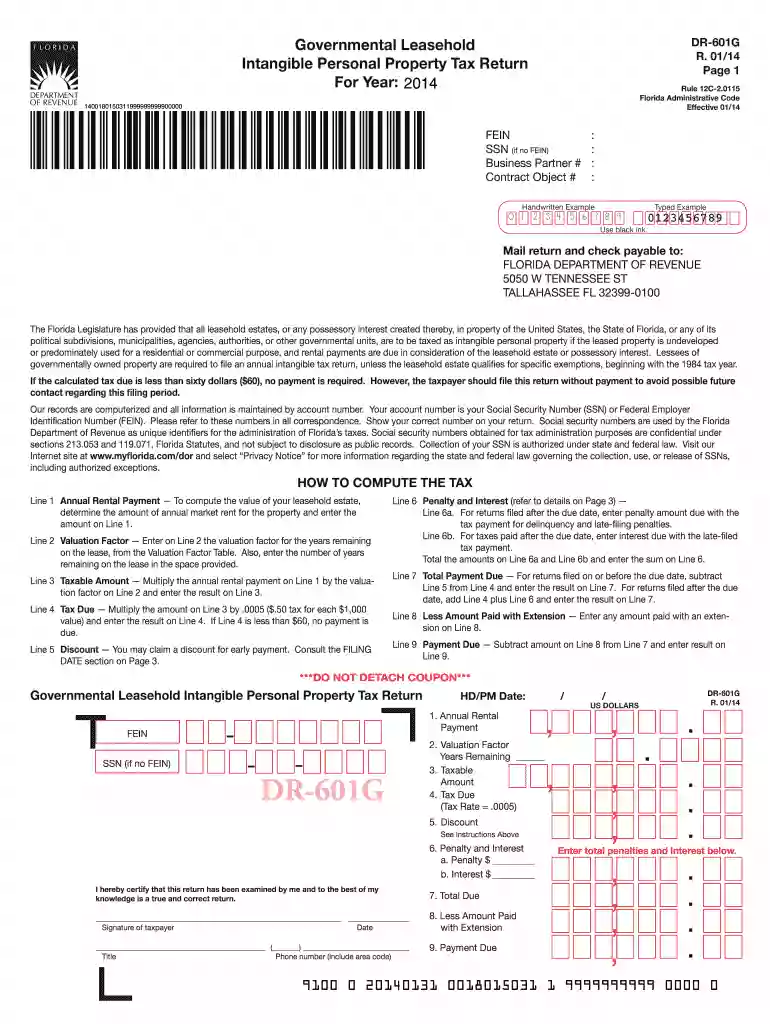
Type text, add images, blackout confidential details, add comments, highlights and more.

Draw your signature, type it, upload its image, or use your mobile device as a signature pad.

Send it via email, link, or fax. You can also download it, export it or print it out.
The "Florida Leasehold 2014 Form" is a standardized legal document used in the state of Florida to outline the terms and conditions of lease agreements for leasehold properties. Leasehold refers to a property arrangement where one party, the lessee, is given the right to use and occupy a property owned by another party, the lessor, for a specified period. This form is crucial for ensuring both parties understand their rights and obligations during the lease term, thereby protecting their interests and minimizing disputes.
Read the Entire Form: Before filling out any sections, carefully read through the entire form to understand the details required and the legal obligations it imposes.
Enter Lessee and Lessor Information: Both parties need to provide their names, addresses, and contact details. Ensure accuracy to avoid future disputes.
Describe the Property: Clearly identify the leasehold property, including its address and any specific features that should be included in the lease.
Specify Lease Term: State the start and end dates of the lease. Include information on any conditions that may affect the lease duration, such as renewal options.
Detail Payment Terms: Clearly outline the rent amount, payment frequency, due dates, and acceptable payment methods. Include any penalties for late payments.
Outline Responsibilities: Define the maintenance obligations for both the lessee and lessor. Specify who is responsible for utilities, repairs, and property upkeep.
Sign and Date the Document: Both parties must sign and date the form to make it legally binding. Consider having the document notarized for added security.
Identifying Information: This section captures essential details about the lessee and lessor, ensuring clear identification of the parties involved.
Lease Duration and Terms: Defines the specific time frame of the lease, renewal clauses, and any conditions affecting lease extension.
Payment Terms: Includes details on rent amounts, due dates, and acceptable payment methods, providing a clear schedule for financial transactions.
Responsibilities and Rights: Outlines both parties' responsibilities, such as maintenance duties and property use permissions, ensuring clarity in property management.
Termination Conditions: Specifies conditions under which the lease can be terminated by either party, detailing notice periods and potential penalties.
Official Websites: Access the form through state government or legal resource websites that provide downloadable versions.
Legal Offices: Obtain physical copies from law offices specializing in real estate or property management.
Online Document Services: Use platforms like DocHub to access and fill out the form digitally. This can streamline the process with tools for editing and e-signatures.
The form is commonly used by property owners (lessors) and potential lessees in Florida. It is essential for landlords leasing residential, commercial, or mixed-use properties. Real estate attorneys and agents also rely on this form to standardize agreements and protect the interests of their clients in lease transactions.


In Florida, the leasehold form is legally binding once signed by both parties. It ensures compliance with state property laws, minimizing the risk of legal disputes. By clearly stating terms, the form serves as a legal safeguard, outlining both lessor and lessee rights and obligations. It's crucial for maintaining lawful property use and financial transactions throughout the lease period.
Florida state laws impact several leasehold terms, including:
Security Deposits: The form must adhere to Florida's regulations on collecting and returning tenant security deposits.
Maintenance Obligations: Florida law requires certain maintenance standards that must be explicitly stated in lease agreements.
Eviction Procedures: The form must incorporate state-approved notice periods and procedures for lawful evictions, ensuring compliance with tenant rights.
Advantages of Digital Version:
Advantages of Paper Version:
We've got more versions of the florida leasehold 2014 form form. Select the right florida leasehold 2014 form version from the list and start editing it straight away!
| Versions | Form popularity | Fillable & printable |
|---|---|---|
| 2026 | 4.9 Satisfied (39 Votes) | |
| 2025 | 4.1 Satisfied (51 Votes) | |
| 2024 | 4.7 Satisfied (30 Votes) | |
| 2023 | 4.2 Satisfied (57 Votes) | |
| 2022 | 4.7 Satisfied (85 Votes) | |
| 2021 | 4.8 Satisfied (224 Votes) | |
| 2020 | 4.3 Satisfied (191 Votes) | |
| 2019 | 4.4 Satisfied (141 Votes) | |
| 2016 | 4.1 Satisfied (52 Votes) | |
| 2014 | 4.2 Satisfied (68 Votes) | |
| 2012 | 4.2 Satisfied (38 Votes) | |
| 2011 | 4 Satisfied (28 Votes) |
At DocHub, your data security is our priority. We follow HIPAA, SOC2, GDPR, and other standards, so you can work on your documents with confidence.
If the Premises contain 5,000 net square feet or more, Landlord will provide Tenant, in a form and manner agreed upon, timely and accurate data on Tenants
Leasehold improvements are depreciated over the shorter of the lease Form of Amended and Restated Credit Agreement dated as of March 18, 2014 between.


