




01. Edit your washington form 40 2452 instructions online
Type text, add images, blackout confidential details, add comments, highlights and more.

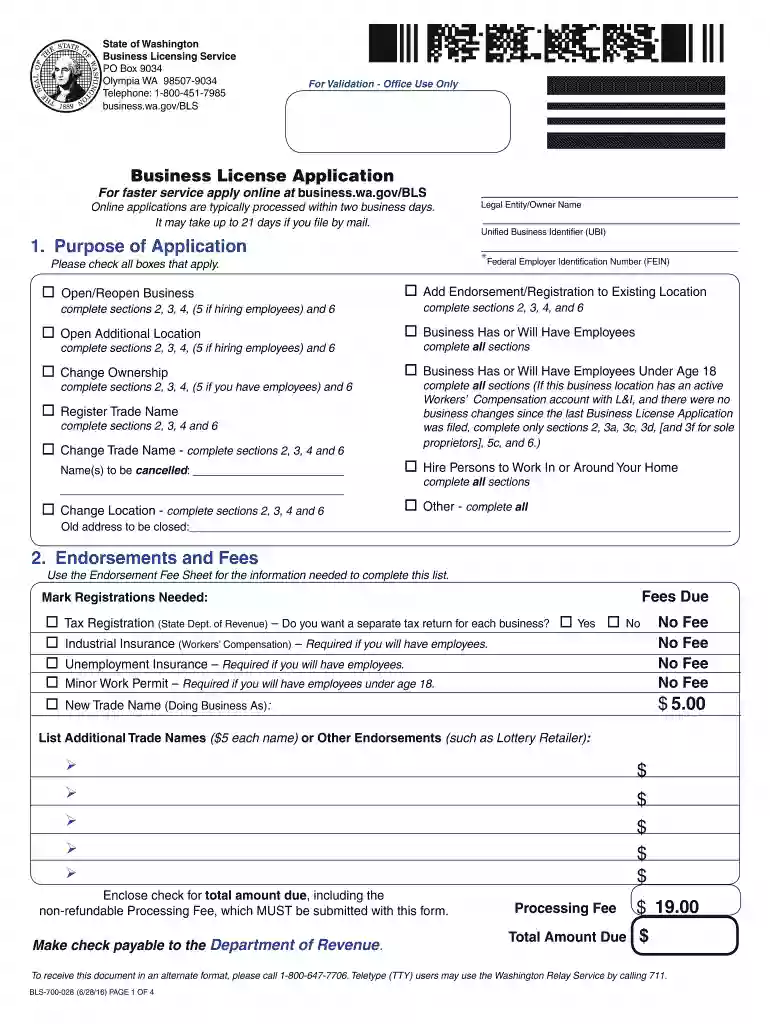
Type text, add images, blackout confidential details, add comments, highlights and more.

Draw your signature, type it, upload its image, or use your mobile device as a signature pad.

Send it via email, link, or fax. You can also download it, export it or print it out.
Fillable US Washington Tax Forms refer to official documents that residents and businesses use to report their income, claim deductions, and calculate taxes owed to the state government of Washington. These forms are designed to be completed digitally, allowing users to fill in required information directly on the document. Examples include the Washington State Form 40, the W-9 form for taxpayer identification, and various other state-specific tax forms. The fillable feature enhances user experience by providing a structured framework for entering information while ensuring accuracy and compliance with state tax laws.
These forms serve a crucial purpose in the tax assessment process. They help in gathering necessary data regarding earnings, withholdings, and applicable deductions or credits. The fillable nature ensures that all required fields are clearly defined, reducing the likelihood of errors often associated with handwritten submissions. By using these resources, taxpayers contribute to the accurate collection of state revenue, which is essential for funding public services and infrastructure.
To efficiently complete the Fillable US Washington Tax Forms, follow these guided steps:
Access the Form: Navigate to a reliable platform, such as DocHub, where you can find the Washington tax forms you need. These forms can typically be downloaded directly, allowing you to work on them immediately.
Identify Required Fields: Carefully review each section of the form. Fillable forms will often highlight mandatory fields, ensuring that no necessary information is overlooked. Be aware of what information is required, such as your name, address, Social Security number, and income details.
Enter Information: Begin populating the fields with your specific data. This process may include entering numerical values, selecting options from dropdown menus, or ticking checkboxes. Use clear and accurate information to avoid issues during submission.
Review Your Entries: After completing the necessary fields, it's vital to review the entire form for accuracy. Double-check entries, especially those involving calculations and significant figures, as errors can lead to delays or penalties.
Save and Export: Once you are confident that all information is correct, save the document. Many platforms will provide the option to export the filled form as a PDF, which is commonly accepted for submission to the state.
Submit the Form: Follow the submission guidelines for your specific tax form. This may involve mailing the form, submitting it online, or delivering it in person to the appropriate governmental office.
Understanding the terminology used in Washington tax forms can help you navigate the tax filing process more effectively. Here are important terms to consider:
By familiarizing yourself with these terms, you can better understand what is required when filling out Washington tax forms and enhance overall compliance.
Staying informed about critical deadlines for filing Washington tax forms is essential for avoiding penalties. The primary tax filing deadline for residents typically aligns with April fifteenth, the same as federal filing due dates. However, here are some essential dates to keep in mind:
Keep in mind that specific additional dates may apply depending on the type of tax forms you are submitting or if you are a business entity. It’s advisable to stay up-to-date on any changes to the tax code or filing procedures announced during the tax year.
There are multiple ways to submit the Fillable US Washington Tax Forms, allowing for flexibility based on individual preferences:
Online Submission: Many Washington tax forms can be filed electronically through dedicated tax filing software or the Washington Department of Revenue's online portal. This method typically features direct data entry, which minimizes errors and speeds up processing times.
Mail Submission: Taxpayers may print and mail completed forms. It is important to send the forms to the correct address and utilize certified mail or other mailing options that provide tracking.
In-Person Submission: Some forms can be submitted in person at local tax offices or community resources that assist with tax filing. This option is beneficial for those needing immediate assistance or clarification on their filings.
Each method has its advantages, so taxpayers should select the option that best suits their circumstances and needs.
The Fillable US Washington Tax Forms are commonly utilized by various groups within the Washington state population:
Understanding who uses these forms helps in recognizing the breadth of their application and the necessity for accurate completion. Each group has unique requirements and considerations based on their specific tax situations.


Practical examples illustrate how to use fillable tax forms effectively in real-world scenarios. Here are a few typical situations:
Individual Resident Tax Filing: A resident earning a salary and receiving a W-2 file their income tax using Washington Form 40. They will fill in personal information, income details, and applicable deductions.
Independent Contractor Reporting: A freelancer who receives 1099-MISC forms can use a fillable W-9 form to provide their taxpayer information to clients and calculate their estimated quarterly taxes based on earnings received throughout the year.
Business Entity Tax Return: A limited liability company (LLC) needs to report its annual income and use the Washington Business Tax Return (BTR). They complete the fillable form by entering their total earnings, deductions, and applicable tax credits, ensuring compliance with state tax requirements.
These examples highlight the versatility of the fillable forms, demonstrating how they cater to diverse taxpayer needs while ensuring accurate reporting and compliance with Washington state regulations.
We've got more versions of the washington form 40 2452 instructions form. Select the right washington form 40 2452 instructions version from the list and start editing it straight away!
At DocHub, your data security is our priority. We follow HIPAA, SOC2, GDPR, and other standards, so you can work on your documents with confidence.
complete Schedule A and file it with Form 940. The total payments in State B that arent exempt from FUTA tax are $4,000. Since this payment to Mary doesnt
Forms. Browse by: name or subject. Top picks. Business license. Business License Application Business information change form Confidential License
The name on line 1 should be the name shown on the income tax return on which the income should be reported. For example, if a foreign LLC that is treated as a


