Definition & Meaning
The Real Estate Purchase Agreement Form (US) - LegalContracts is a legally binding document used in the United States to outline the terms and conditions under which a real estate property will be sold. It serves as a formal agreement between the buyer and seller, detailing the obligations of each party and the specific terms of the sale. This form covers essential aspects such as property description, sale price, closing date, contingencies, and any disclosures required by law. The significance of this agreement lies in its ability to clearly define the expectations and responsibilities of both parties, thereby minimizing potential disputes and ensuring a smooth transaction process.
Key Elements of the Real Estate Purchase Agreement Form
This agreement includes several critical components that ensure the effectiveness and legality of the transaction. These elements are as follows:
- Parties Involved: Identifies the legal names of the buyer and seller.
- Property Description: Provides a legal description of the property, including address, parcel number, and any fixtures included in the sale.
- Purchase Price: Specifies the agreed-upon sales price and method of payment. This section may include details on earnest money deposits.
- Closing Date and Costs: States the agreed-upon date for finalizing the transaction and outlines who will be responsible for various closing costs.
- Contingencies: Lists any conditions that must be met for the sale to proceed, such as home inspections, financing approval, or sale of the buyer's current home.
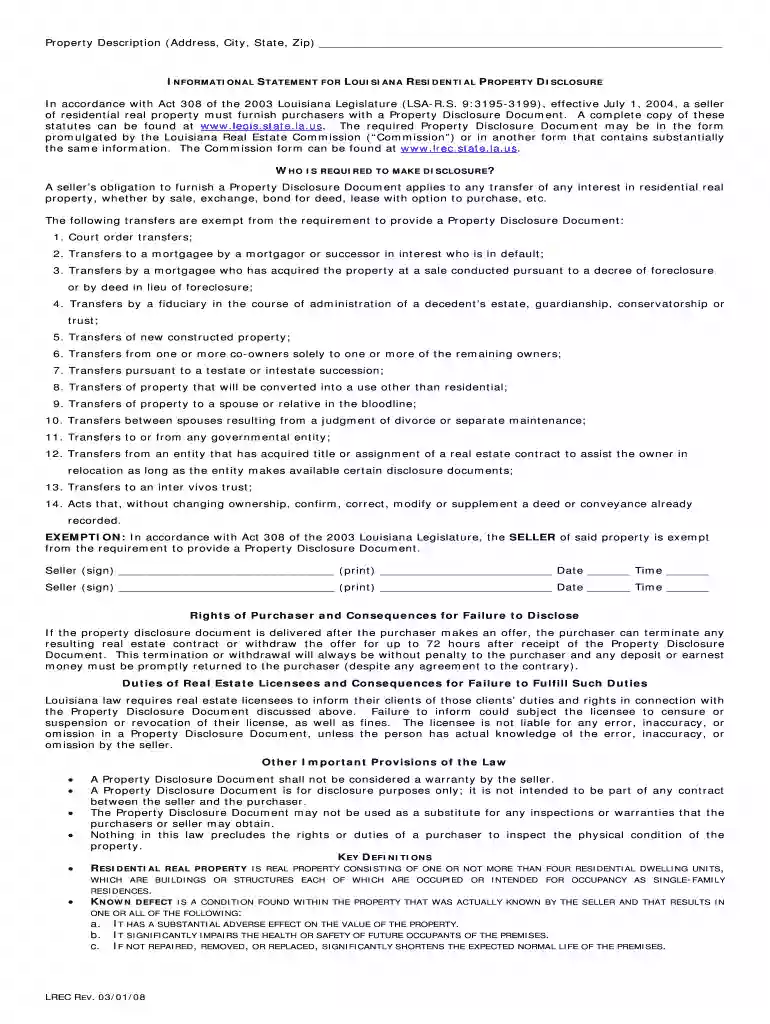
- Disclosures: Includes any required disclosures about the property's condition or legal standing, such as lead paint status or zoning issues.
Steps to Complete the Real Estate Purchase Agreement Form
Completing the Real Estate Purchase Agreement Form involves several steps to ensure accuracy and compliance:
- Gather Required Information: Collect details about the property, buyer, seller, and terms of the sale.
- Fill in the Form: Enter the gathered information into the respective fields of the agreement form, ensuring precision and clarity.
- Review Contingencies: Clearly outline any contingencies and make sure both parties understand and agree to them.
- Include Disclosures: Attach necessary disclosure statements, making sure they are comprehensive and accurate.
- Obtain Signatures: Have both parties read through the completed agreement and sign where indicated to formalize the document.
- Deliver Copies: Provide signed copies to both parties and their respective real estate agents or legal representatives.
State-Specific Rules for Real Estate Purchase Agreements
Real estate transactions are subject to state laws, which means the Real Estate Purchase Agreement Form must comply with state-specific regulations. These can vary widely and might affect:
- Disclosures: Some states require more comprehensive disclosure requirements than others. For instance, California mandates detailed environmental and hazard disclosures.
- Contingency Clauses: Certain contingencies might be more common or required in specific states, such as those related to water rights or property boundaries.
- Closing Processes: The procedures for closing a real estate transaction, including required documentation and timeframes, can differ based on state law.
Important Terms Related to the Real Estate Purchase Agreement
Understanding the terminology used in a Real Estate Purchase Agreement is crucial for both buyers and sellers:
- Earnest Money: A deposit made to demonstrate the buyer's serious intent to purchase the property.
- Fixture: An item attached to the property that is included in the sale unless otherwise specified.
- Title Insurance: An insurance policy that protects against financial loss from defects in title to real property and from invalidity or unenforceability of mortgage liens.
Legal Use of the Real Estate Purchase Agreement Form
This agreement ensures that real estate transactions adhere to legal standards and protect the rights of all involved parties. It is crucial for:
- Ensuring Compliance: The form includes sections that ensure adherence to all state and federal laws regarding real estate transactions.
- Protecting Rights: Clearly outlines the rights and obligations of both parties, reducing the potential for disputes.
- Documentation: Acts as a formal record of the transaction and its agreed-upon terms.
Who Typically Uses the Real Estate Purchase Agreement Form
The form is primarily used by:
- Home Buyers and Sellers: Individuals engaged in buying or selling residential property utilize this form to outline the terms of their transaction.
- Real Estate Agents: Professionals facilitating property transactions may prepare and provide this form to their clients.
- Legal Professionals: Attorneys specializing in real estate law may use the form to ensure all legal aspects of a transaction are covered.
Examples of Using the Real Estate Purchase Agreement
Real-life scenarios demonstrate the application of this agreement:
- First-Time Buyers: Can use the form to navigate the purchasing process, ensuring all necessary conditions are met before closing.
- Investment Properties: Real estate investors use the form to outline terms for acquiring properties intended for rental or resale, with specific clauses related to income potential and appraisal values.
- Contingency Sales: When a buyer must sell their current home to purchase a new one, they may include a home sale contingency clause, highlighting how this form can manage complex transactions.
By ensuring comprehensive coverage of the Real Estate Purchase Agreement Form (US) - LegalContracts, individuals and professionals can confidently proceed with real estate transactions, knowing that they have a legally sound framework supporting their agreements.