




01. Edit your form online
Type text, add images, blackout confidential details, add comments, highlights and more.

Type text, add images, blackout confidential details, add comments, highlights and more.

Draw your signature, type it, upload its image, or use your mobile device as a signature pad.

Send it via email, link, or fax. You can also download it, export it or print it out.
Holding off paying something to invest in short-term security refers to the strategic decision to delay payments or defer financial obligations to allocate funds towards investments in short-term financial instruments. This practice can help individuals or businesses capitalize on potential returns that such investments might offer. Short-term securities typically include products like Treasury bills, short-term bonds, or money market instruments, which are favored for their liquidity and lower risk profile compared to long-term investments.
Engaging in this strategy requires a careful analysis of your financial situation and investment opportunities. Here are steps to effectively utilize this approach:
Analyze Financial Obligations: Identify outstanding payments and determine which can be safely deferred without incurring penalties or damage to your credit.
Explore Short-Term Investment Options: Look into various short-term investment vehicles to evaluate potential returns and associated risks.
Risk Assessment: Evaluate the risks associated with deferring payments versus the potential gains from investments in short-term securities. Consider factors like liquidity needs and market volatility.
Implementation: Allocate resources by balancing the deferred payments and investments, ensuring that you adhere to due calculations and risk management strategies.
Monitor Investments: Regularly track the performance of your short-term securities to ensure you're on track to meet your expected returns.
Suppose you're a small business owner facing an upfront large utility payment. Instead of paying immediately, you defer this payment to invest in a short-term bond with a likelihood of generating a higher return within the coming months.
Plan Your Strategy: Start with a comprehensive financial review. List out all immediate payment obligations and identify which ones offer flexibility or can be delayed.
Identify Suitable Short-Term Investments: Research various investment vehicles focusing on liquidity and return. Ideal options include money market funds, short-term government bonds, or certificates of deposit.
Calculate Potential Returns: Use financial models or calculators to estimate potential gains from your investments, ensuring alignment with your financial goals.
Implement Financial Adjustments: Safely defer selected payments, redirecting those funds into the chosen short-term securities after setting aside essential savings.
Regular Review and Adjustment: Continuously monitor your investment outcomes and payment schedules to adjust your approach based on real-time financial dynamics.
This strategy is widely used by various individuals and businesses seeking to optimize cash flow and investment returns:


Compliance with legal and financial standards is critical when engaging in this strategy:
Contractual Obligations: Review all agreements to ensure there's no breach in contract terms when deferring payments.
Regulatory Requirements: Adhere to financial and taxation regulations applicable to both investment and payment processes.
Tax Implications: Understand the tax liabilities that may arise from both deferred payments and gains earned from short-term investments, seeking advice from a financial advisor to remain compliant.
Liquidity Management: Ensuring that deferred payment decisions do not jeopardize your financial liquidity.
Risk Evaluation: Assessing the correlation between the deferment impacts versus the expected short-term investment benefits.
Financial Discipline: Maintaining strict adherence to planned timelines for both payments and investment maturities.
Diversification: Spreading investments across different short-term securities to mitigate risks.
Tax Reporting: Properly record any capital gains or interest income derived from short-term securities on tax returns.
Timing of Deductions/Revenues: Align the timing of your deferred payments and income recognition to optimize tax outcomes.
To implement this strategy effectively, prepare the following:
When engaging with specific forms such as applying for short-term securities purchases or deferring payments formally, consider the following submission channels:
By thoroughly understanding these aspects of holding off paying something to invest in short-term security, individuals and businesses can make informed decisions, enhancing their overall financial strategy.
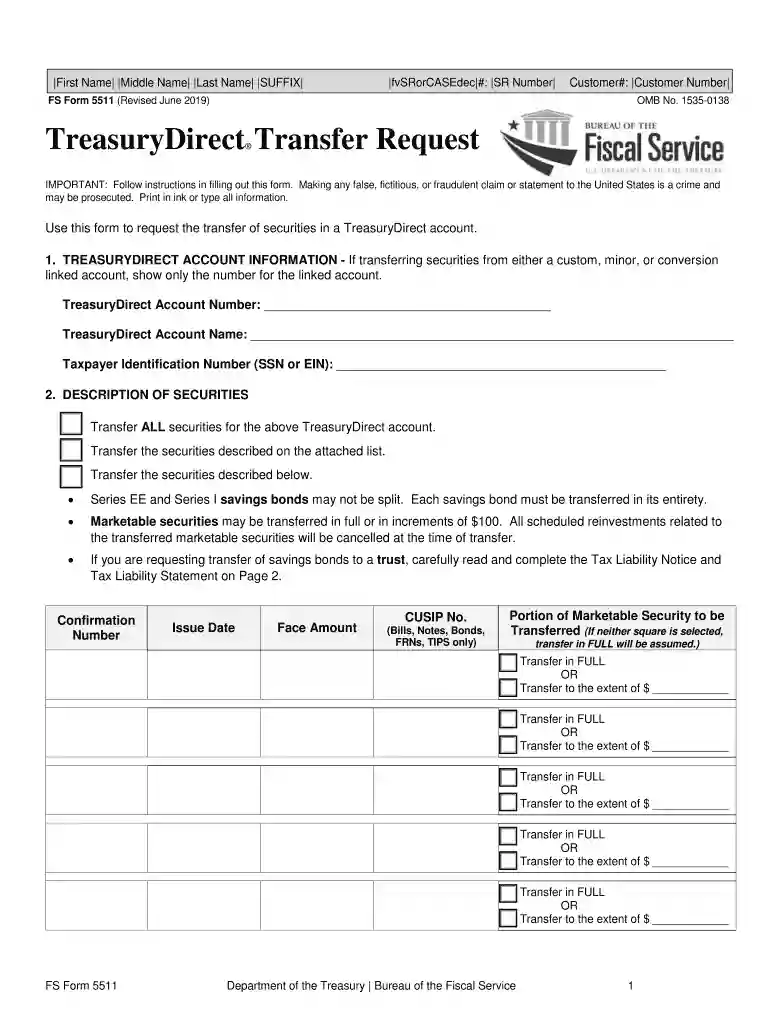
We've got more versions of the Holding Off Paying Something To Invest In Short-Term Security form. Select the right Holding Off Paying Something To Invest In Short-Term Security version from the list and start editing it straight away!
At DocHub, your data security is our priority. We follow HIPAA, SOC2, GDPR, and other standards, so you can work on your documents with confidence.


