
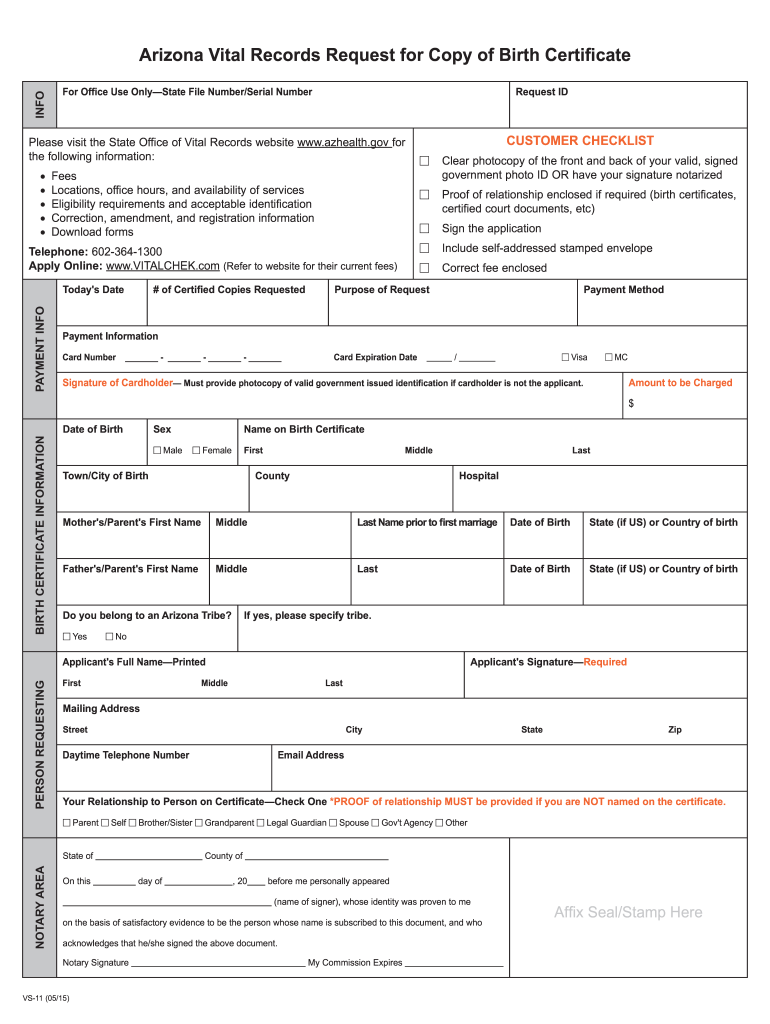







Understanding Certified Court Documents
Certified court documents are official records issued or authenticated by a court, confirming their accuracy and legitimacy. These documents often include various legal filings, such as court orders, judgments, or decrees, and can be certified by the court clerk's office. Certification adds a layer of authenticity, making these documents admissible in legal proceedings or for official purposes.
Types of Certified Court Documents
- Court Orders: Legal instructions or decisions issued by a judge.
- Judgments: Final decisions in a case that outline the outcome and any awarded remedies.
- Decrees: Similar to judgments but often related to family law cases.
- Transcripts: Official records of spoken proceedings in the courtroom.
- Affidavits: Written statements confirmed by oath, used as evidence in court.
How to Use Certified Court Documents
Certified court documents serve multiple functions across various legal and administrative processes. They are essential for ensuring compliance with legal standards and are often required in situations like proving the authenticity of a document, confirming the details of a legal decision, or completing bureaucratic procedures.
Common Uses
- Legal Proceedings: Presenting certified documents as evidence.
- Government Applications: Required for official forms such as passport applications.
- Business Transactions: Used in due diligence processes to verify legal standings.
- Personal Matters: Needed for divorce proceedings or establishing parental rights.
Obtaining Certified Court Documents
Obtaining certified court documents involves a series of steps, typically beginning with identifying the specific document type needed and the court where it was issued. It's essential to comply with court procedures to ensure the document's validity.
Steps to Acquire Certified Documents
- Determine the Relevant Court: Identify the court where the document was originally filed.
- Visit or Contact the Court Clerk's Office: Check if you can request documents in person, by mail, or online.
- Complete Request Forms: Fill out necessary forms to request document certification.
- Pay Required Fees: Fees may vary according to the type and number of documents needed.
- Provide Identification: Confirm your right to access the document by presenting valid identification.
Steps to Complete Certified Court Documents
When dealing with certified court documents, understanding the process of filling them out accurately is crucial. This may involve specific steps to ensure the document is recognized as valid.
Completing Process
- Gather Required Information: Have all relevant personal and case information at hand.
- Use Correct Templates: Some documents may require specific formats provided by the court.
- Fill Out Forms Precisely: Ensure all information is accurate and complete.
- Seek Legal Assistance When Needed: Consult a lawyer if unsure about any sections of the document.
- Submit for Certification: Once filled, submit to the court for official certification.
Who Typically Uses Certified Court Documents?
Certified court documents are utilized by a wide range of individuals and organizations for various legalities and bureaucratic processes.
Primary Users
- Attorneys and Legal Professionals: Use these documents for case preparations and evidence submissions.
- Individuals: Require documents for personal legal matters like divorces or name changes.
- Businesses: Need certified documents for corporate legal matters and due diligence.
- Government Agencies: Use them for verifying legal statuses and compliance.
Legal Use of Certified Court Documents
The legal utilization of certified court documents varies by context and jurisdiction but typically involves presenting these documents as legitimate proof in legal and official scenarios.
Examples of Legal Use
- Evidence in Trials: Certified documents can be introduced as reliable evidence.
- Property Disputes: Used to confirm property ownership or liens.
- Family Law Cases: Essential for custody, support, and divorce cases.
Important Terms Related to Certified Court Documents
Understanding key terms associated with certified court documents can help in effectively handling and interpreting them.
Key Terms
- Affidavit: A written statement confirmed by oath.
- Seal: An official mark on the document signifying its authenticity.
- Notarization: The official process of witnessing a signature by a notary public.
- Docket: A record of all proceeding events in a court case.
Form Submission Methods for Certified Court Documents
Certified court documents can often be requested and submitted through various methods, providing flexibility based on individual needs and court options.
Submission Options
- In-Person: Visit to request documents directly from the court clerk.
- Mail: Send a written request along with any required forms and payment.
- Online: Some courts offer digital services to request and receive certified documents electronically.




