



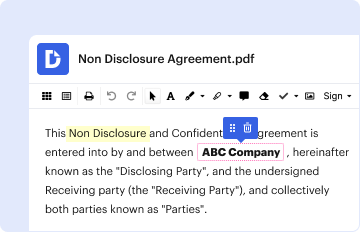
01. Edit your form online
Type text, add images, blackout confidential details, add comments, highlights and more.

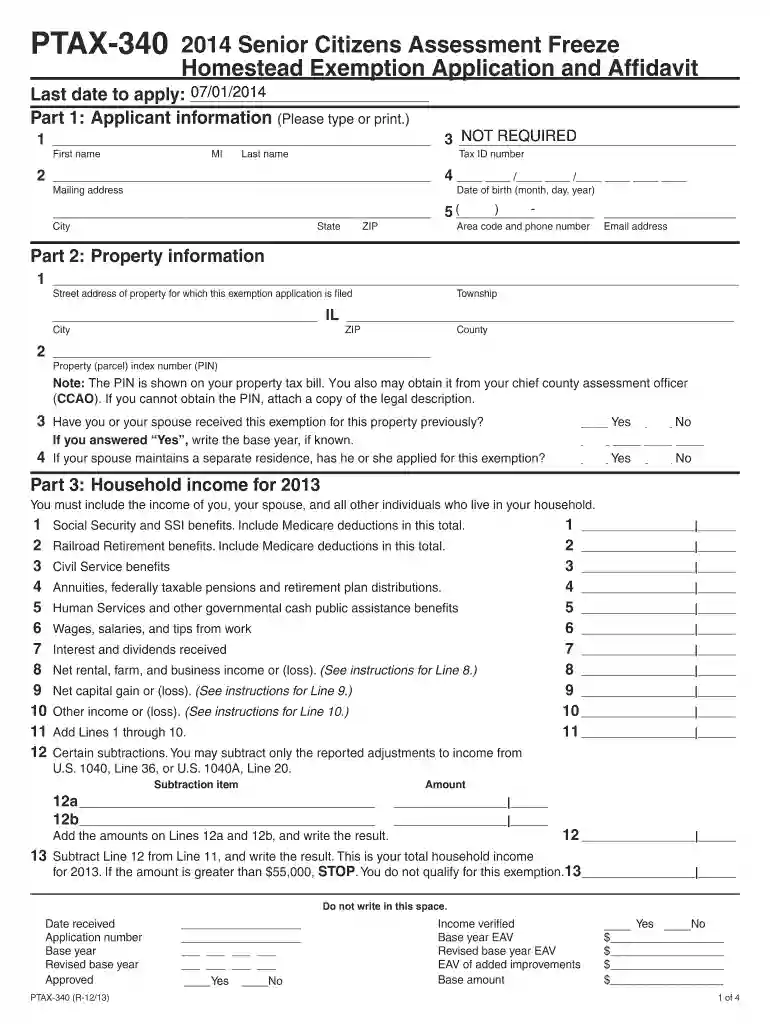
Type text, add images, blackout confidential details, add comments, highlights and more.
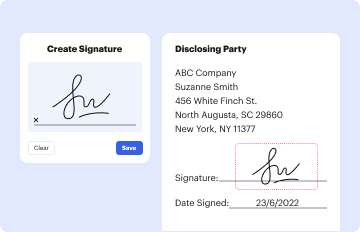
Draw your signature, type it, upload its image, or use your mobile device as a signature pad.

Send it via email, link, or fax. You can also download it, export it or print it out.
The PTAX Senior Citizens Assessment Freeze Homestead Exemption Application and Affidavit is a document used by eligible senior citizens to freeze the assessed value of their home. This form is particularly significant for preventing increases in property taxes due to inflation. The exemption aims to help seniors on fixed incomes maintain financial stability by capping the assessment value of their primary residence.
Eligibility for the PTAX-340 form requires applicants to meet specific state-set criteria. Generally, the conditions include:


Completing the PTAX-340 form necessitates several supporting documents:
Applicants need to follow a series of steps to accurately complete the PTAX-340 form:
Understanding key terms associated with the PTAX-340 Form can aid applicants in the completion process:
While the PTAX-340 Form is generally regulated at the state level, specific rules can differ:
The method of submitting the PTAX-340 form can depend on regional processes:
Adhering to filing deadlines is critical for securing the assessment freeze:
Consider a retired couple with a fixed income receiving an annual increase in property taxes due to rising assessments. Utilizing the PTAX-340 form, they can freeze their property’s assessed value, ensuring the taxes remain predictable. This exemption provides financial relief, allowing them to better manage their budget against rising costs.
We've got more versions of the PTAX-340 2016 Senior Citizens Assessment Freeze Homestead Exemption Application and Affidavit JULY 1 form. Select the right PTAX-340 2016 Senior Citizens Assessment Freeze Homestead Exemption Application and Affidavit JULY 1 version from the list and start editing it straight away!
| Versions | Form popularity | Fillable & printable |
|---|---|---|
| 2024 | 4.7 Satisfied (53 Votes) | |
| 2023 | 4.5 Satisfied (43 Votes) | |
| 2022 | 4.8 Satisfied (42 Votes) | |
| 2021 | 4.3 Satisfied (131 Votes) | |
| 2020 | 4.2 Satisfied (114 Votes) | |
| 2019 | 4.4 Satisfied (69 Votes) | |
| 2018 | 4.4 Satisfied (127 Votes) | |
| 2016 | 4.4 Satisfied (563 Votes) | |
| 2015 | 4.2 Satisfied (36 Votes) | |
| 2013 | 4.3 Satisfied (41 Votes) | |
| 2012 | 4.1 Satisfied (32 Votes) | |
| 2011 | 4 Satisfied (47 Votes) |
At DocHub, your data security is our priority. We follow HIPAA, SOC2, GDPR, and other standards, so you can work on your documents with confidence.
Each year applicants must file a Form PTAX-340, Senior Citizens Assessment. Freeze Homestead Exemption Application and Affidavit, with the Chief County.Read more
Each year applicants must file a Form PTAX-340, Low-income Senior Citizens Assessment Freeze Homestead Exemption Application and Affidavit, with the ChiefRead more


