




01. Edit your form online
Type text, add images, blackout confidential details, add comments, highlights and more.

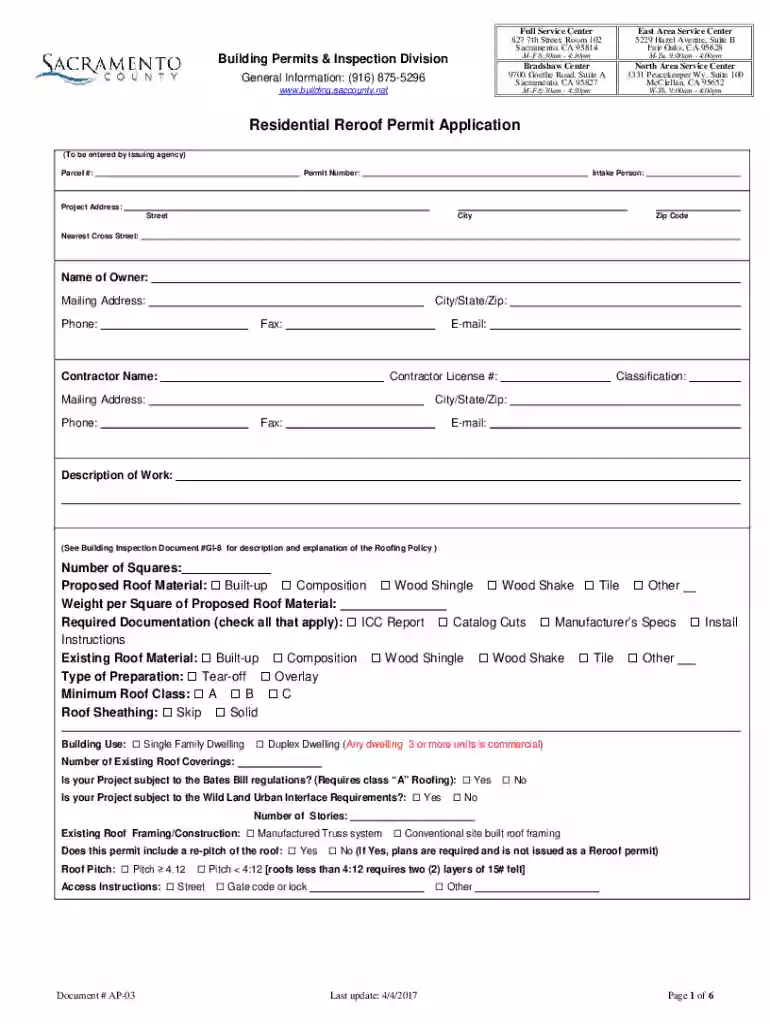
Type text, add images, blackout confidential details, add comments, highlights and more.

Draw your signature, type it, upload its image, or use your mobile device as a signature pad.

Send it via email, link, or fax. You can also download it, export it or print it out.
The Building Permits and Inspection Division Full Service Center represents a municipal or county division tasked with regulating and issuing building permits, conducting inspections, and ensuring compliance with local building codes. It serves as a pivotal resource for individuals, contractors, and developers seeking approval for construction projects. In essence, this division acts as a regulatory body that facilitates safe and legal construction activities by enforcing standards and guidelines within the construction industry.
Navigating the Building Permits and Inspection Division Full Service Center involves understanding the services offered and engaging with the appropriate resources. Typically, users can access a range of services designed for streamlined construction project management.
Completing the process through the Building Permits and Inspection Division involves several critical stages, ensuring compliance and approval for construction operations.
A variety of stakeholders rely on the services offered by the Building Permits and Inspection Division, encompassing professionals and private citizens alike.


Effective navigation of the Building Permits and Inspection Division Full Service Center involves awareness of essential components that facilitate the permit and inspection process.
Building regulations, while standardized to some extent, can vary significantly from state to state. Understanding these variations is crucial for compliance and successful project completion.
Successful engagement with the Building Permits and Inspection Division necessitates careful preparation of the necessary documentation for permit application and inspections.
Failing to comply with requirements and regulations enforced by the Building Permits and Inspection Division can result in significant consequences.
Comprehensive understanding and adherence to the processes outlined by the Building Permits and Inspection Division are crucial to ensuring the legality and safety of construction endeavors, benefiting both project managers and end-users.
We've got more versions of the Building Permits and Inspection Division Full Service Center form. Select the right Building Permits and Inspection Division Full Service Center version from the list and start editing it straight away!
| Versions | Form popularity | Fillable & printable |
|---|---|---|
| 2017 | 4.8 Satisfied (177 Votes) |
At DocHub, your data security is our priority. We follow HIPAA, SOC2, GDPR, and other standards, so you can work on your documents with confidence.
Please call before you come to ensure someone from the Building Department is in to assist you at (303) 724-0869. These records shall be kept with the BuildingRead more
Our Building Assistance Center has moved to 9800 Goethe Road Sacramento, CA 95827. speak with an Inspector, please call 916-875-5296
Nov 23, 1993 To obtain additional information regarding the NSTC, please contact the NSTC Executive. Secretariat at 202-456-6102. About the Office of ScienceRead more


