Call for Application Transition from Conflict to Peace andamp 2025

Get Form
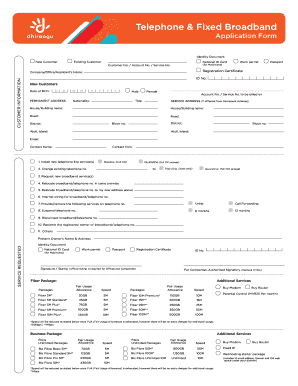
Call for Application Transition from Conflict to Peace andamp Preview on Page 1

Here's how it works

01. Edit your form online
Type text, add images, blackout confidential details, add comments, highlights and more.
02. Sign it in a few clicks
Draw your signature, type it, upload its image, or use your mobile device as a signature pad.
03. Share your form with others
Send it via email, link, or fax. You can also download it, export it or print it out.

How to use or fill out Call for Application Transition from Conflict to Peace with our platform

Form edit decoration
9.5
Ease of Setup
DocHub User Ratings on G2
9.0
Ease of Use
DocHub User Ratings on G2
  1. Click ‘Get Form’ to open it in the editor.
  2. Begin by filling out the 'Personal Details' section. Enter your family name, forename(s), sex, nationality, date of birth, and place of birth. Ensure that all information is accurate as it will be used for identification purposes.
  3. Provide your passport number and mailing address, including street, postal code, city, and country. Include your contact numbers (work, home, mobile) and email address.
  4. In the 'Higher Education' section, list the name and location of your university or institution along with the length of studies and degree obtained.
  5. Detail your attendance at relevant trainings or seminars by specifying the year, country, organizer, and topic.
  6. Outline your professional experience by providing dates of employment, organization names, job titles, and a brief description of main tasks.
  7. Complete the language skills section by indicating languages understood, spoken, written, and read.
  8. Articulate your motivation for attending TCPN trainings in no more than 500 words in the designated field.
  9. Fill out the declaration confirming that all information is correct and complete before submitting your application.

Start using our platform today to easily fill out your application for free!

be ready to get more

Complete this form in 5 minutes or less

Get form

Got questions?

We have answers to the most popular questions from our customers. If you can't find an answer to your question, please contact us.
Contact us
Gain the skills and knowledge to understand the root causes of conflicts, develop effective peacebuilding strategies, and promote social justice and reconciliation.
6 Steps for Constructive Conflict Resolution Offer Something. Be the one to initiate, in some way show that you have moved towards seeking restoration and harmony. Make Time. Give the conversation priority. Focus on the Issue. Listen. Craft a Solution. Let it Go.
Peacebuilding is the development of constructive personal, group, and political relationships across ethnic, religious, class, national, and racial boundaries. It aims to resolve injustice in nonviolent ways and to transform the structural conditions that generate deadly conflict.
The Five Steps to Conflict Resolution Step 1: Identify the source of the conflict. The more information about the cause of the conflict, the more easily it can be resolved. Step 2: Look beyond the incident. Step 3: Request solutions. Step 4: Identify solutions both disputants can support. Step 5: Agreement.
4 steps To resolve Conflict: CARE Communicate. Open communication is key in a dispute. Actively Listen. Listen to what the other person has to say, without interrupting. Review Options. Talk over the options, looking for solutions that benefit everyone. End with a Win-Win Solution.
be ready to get more

Complete this form in 5 minutes or less

Get form

People also ask

Peacebuilding. United Nations peacebuilding activities are aimed at assisting countries emerging from conflict, reducing the risk of relapsing into conflict and laying the foundation for sustainable peace and development.
Conflict transformation refers to the process of moving from conflict-habituated systems to peace systems. This process is distinguished from the more common term of conflict resolution because of its focus on systems change.
Peacemaking is an ongoing process requiring commitment, collaboration, and community engagement. Sustainable peacemaking. Peacemaking should lead to long-term change. This may involve using compromise to reach agreements. All parties should understand why the resolution is necessary.

Related links