Definition & Meaning
The Small Business Outreach Program is designed to facilitate connections between small businesses and larger entities, offering essential information and resources. This program aims to help small businesses navigate the complexities of compliance, growth opportunities, and collaboration with larger enterprises. By fostering such relationships, the program encourages economic development and supports entrepreneurs in maximizing their potential.
- The primary focus is to bridge the gap between small businesses and partners, enhancing growth and development.
- It serves as a platform for disseminating crucial information on policies, available resources, and partnership opportunities.
- The program supports small businesses in understanding regulatory requirements, thus minimizing compliance risks.
Key Elements of the Small Business Outreach Program
The Small Business Outreach Program includes several core components that ensure its effectiveness in achieving its goals. These elements are designed to provide comprehensive support and resources to small businesses.
- Information Dissemination: The program provides current and relevant information on regulations, certifications, and best practices.
- Networking Opportunities: It creates platforms where small businesses can connect with industry leaders and build strategic partnerships.
- Workshops and Training: These are organized to enhance the skills and knowledge of small business owners and personnel.
- Assistance Programs: Various support avenues such as financial guidance, mentorship, and technical assistance are available.
Eligibility Criteria
Eligibility for the Small Business Outreach Program is typically based on specific criteria that align with the program's objectives. Understanding these requirements is crucial for small businesses seeking to leverage the resources offered.

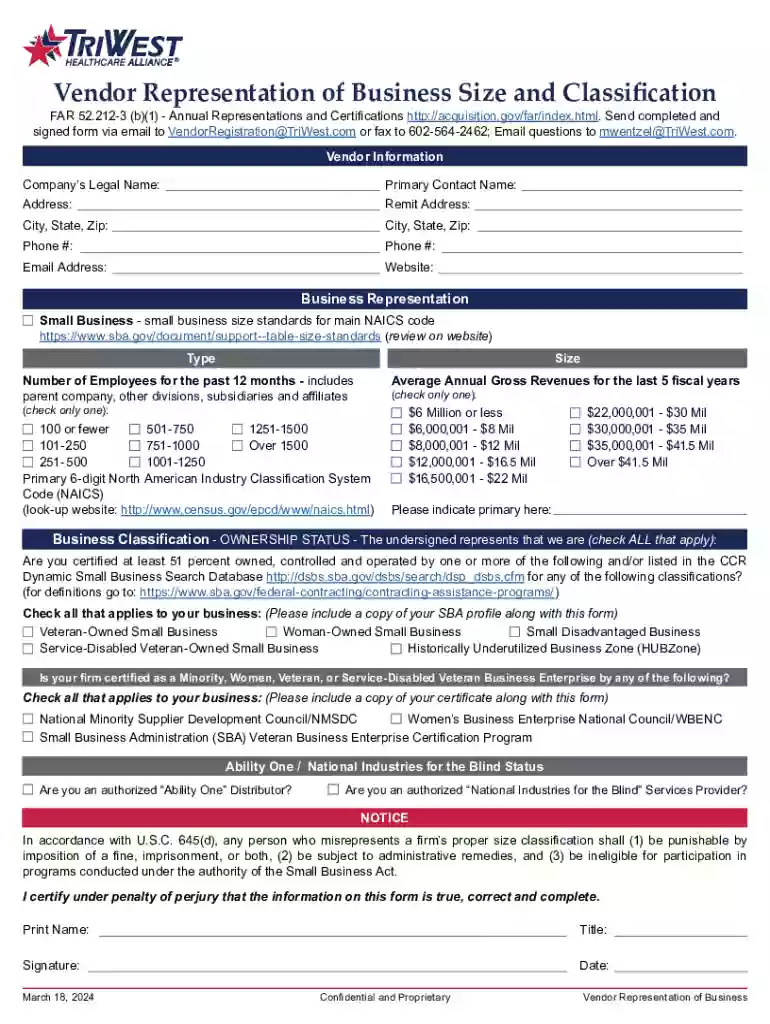
- Businesses must meet certain size standards as defined by NAICS codes.
- The program often targets businesses that are classified under specific categories, such as minority-owned or women-owned enterprises.
- Participants may be required to demonstrate a commitment to growth and compliance with relevant industry regulations.
How to Use the Small Business Outreach Program
Engaging with the Small Business Outreach Program effectively requires understanding the steps and processes involved. Businesses can utilize the program by following a structured approach to maximize benefits.
- Assess Eligibility: Confirm that your business meets the program's eligibility criteria.
- Identify Goals: Define what you aim to achieve through the program, whether it is compliance, networking, or growth.
- Register for Workshops: Enroll in relevant training sessions and workshops that align with your business needs.
- Leverage Resources: Actively utilize the information and resources provided to improve business operations and strategy.
Steps to Complete the Small Business Outreach Program
Completing the activities within the Small Business Outreach Program involves several key steps to ensure full participation and benefit realization.
- Complete Registration Forms: Fill out necessary forms that provide details about your business, its size, and industry classification.
- Attend Required Sessions: Participate in mandatory workshops or seminars as stipulated by the program.
- Submit Feedback: Provide insights and feedback regarding program components, contributing to continuous improvement.
- Utilize Follow-Up Support: Engage with any post-completion resources or assistance programs offered.
Who Typically Uses the Small Business Outreach Program
The Small Business Outreach Program is utilized by various entities within the business ecosystem, primarily focused on small-scale enterprises looking to expand their reach and capabilities.

- Startups: New businesses eager to establish connections and learn industry standards.
- Minority-Owned Businesses: Enterprises owned by individuals from minority groups seeking targeted support.
- Established Small Businesses: Companies aiming to scale operations or enter new markets through strategic partnerships.
State-Specific Rules for the Small Business Outreach Program
State-specific variations in the Small Business Outreach Program may affect eligibility, available resources, and compliance requirements.
- Different Eligibility Criteria: Some states may have unique criteria or prioritize certain categories of businesses over others.
- Funding and Grants: Availability and amount of financial assistance or grants can vary depending on state budgets and priorities.
- Regulatory Compliance: Certain states may impose additional regulatory compliance requirements to align with regional laws.
Form Submission Methods (Online / Mail / In-Person)
Submitting forms for the Small Business Outreach Program can be done through various methods, thereby ensuring accessibility and convenience for all potential participants.
- Online Submission: This is the most convenient method, allowing businesses to submit forms and documentation digitally.
- Mail Submission: For those who prefer a physical approach, forms can be mailed to the designated program office.
- In-Person Submission: Some states may offer in-person submission at local offices or during program events and seminars.
Important Terms Related to Small Business Outreach Program
Understanding the terminology associated with the Small Business Outreach Program can aid participants in effectively navigating the program and its requirements.
- NAICS Codes: Used to classify business sizes and types to determine program eligibility and resource allocation.
- Compliance Certification: A document verifying that the business meets all necessary regulatory standards and program guidelines.
- Partnership Networking: Opportunities within the program designed to connect small businesses with larger enterprises and industry leaders.