







Definition and Meaning
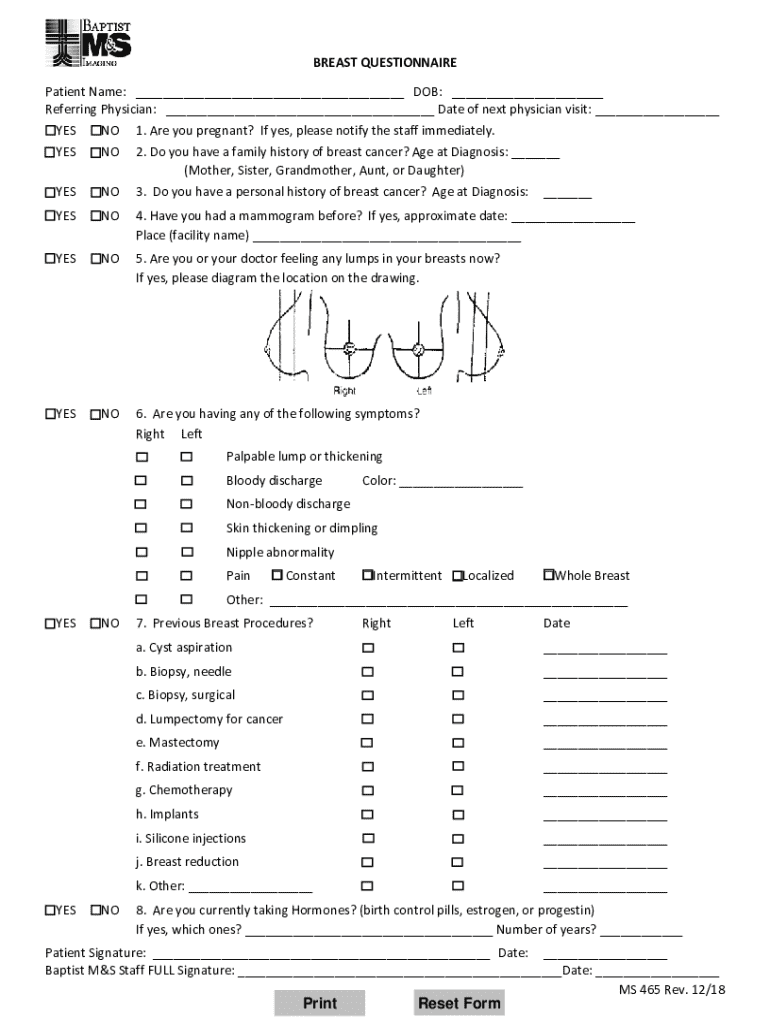
The "Patient Demographics Patient Name" form is a critical document used in healthcare settings to record essential patient information. Its primary purpose is to accurately capture the identification details of patients, which forms the basis for building a patient's medical record. Patient demographics include not just the patient's name but various other identifiers that assist in accurate record-keeping and healthcare delivery. This document is foundational for maintaining systematic healthcare processes and ensuring personalized attention to each patient's needs.
The patient’s name is one of the most critical data points in this form because it links to other important records and identifiers. It is vital for maintaining continuity in medical care, avoiding mistakes, and ensuring that each patient's medical history is accurately documented and accessible as needed.
How to Use the Patient Demographics Patient Name
The utilization of the "Patient Demographics Patient Name" form begins at the point of patient intake. Healthcare professionals use the form to gather and verify a patient's full legal name along with other identifying information. This could include middle initials or suffixes, depending among institutions. The data collected ensures that the patient receives proper treatment and services tailored to their medical history and current condition.
- Verification: Confirm the spelling and format of the name by comparing it to a legal ID, such as a driver’s license. This practice helps prevent errors.
- Consistency: Ensure that the name format matches across all hospital records. Consistent recording prevents mistakes in patient treatment or billing.
- Documentation: Once filled, the form becomes part of the patient's permanent health record used by doctors, specialists, and administrative staff.
Steps to Complete the Patient Demographics Patient Name
- Gather Identification: Collect personal identification from the patient, such as a government-issued ID, which includes the legal name.
- Accurate Entry: Enter the patient’s first name, middle initial (if applicable), last name, and any suffix on the form. Ensure clarity and precision.
- Verify and Validate: Cross-check the entered name with the ID to ensure no discrepancies. Confirm with the patient to avoid any typographical errors.
- Record Additional Information: Capture additional demographic data like address, date of birth, and contact information as required.
- Final Review: Before submission, review the form for any errors or omissions and correct issues as needed.
- Submit and File: Once completed, submit the form to the relevant department for digital entry or physical filing.
Why Use the Patient Demographics Patient Name
Accurate completion of the "Patient Demographics Patient Name" form is vital for several reasons:
- Clinical Care: Ensures the correct patient receives the appropriate medical treatment and follow-up care.
- Administrative Efficiency: Facilitates seamless coordination between healthcare providers and administrative staff, reducing the risk of errors in patient encounters.
- Billing and Insurance: Assists in accurate billing practices and expedites insurance claims by matching patient records with billing data.
- Legal Compliance: Adheres to legal and regulatory requirements for record-keeping in healthcare.
Important Terms Related to Patient Demographics Patient Name
Understanding important terms associated with the "Patient Demographics Patient Name" form allows for its effective use:
- Legal Name: The name appearing on official identification documents.
- Middle Initial: An initial derived from the middle name, often used for identification purposes.
- Suffix: Titles like "Jr.", "III", commonly following a person’s full name.
- Patient ID: A unique identification number assigned internally, distinct from the name.
- HIPAA: Regulations ensuring the confidentiality and security of patient health information, prevalent when handling demographic data.
Legal Use of the Patient Demographics Patient Name
Healthcare providers must comply with legal standards when managing the "Patient Demographics Patient Name" to protect patient rights and privacy. Regulations such as the Health Insurance Portability and Accountability Act (HIPAA) mandate the safeguarding of identifiable health information. Legal and ethical handling of this form is crucial to:
- Protect Patient Privacy: Ensures that sensitive information is not unlawfully shared or disclosed.
- Accurate Reporting: Maintains integrity in healthcare reporting, minimizing cases of misidentification.
- Compliance: Meets all federal and state legal requirements for record retention and data security.
Key Elements of the Patient Demographics Patient Name
Several critical components are part of the patient demographics section:
- Full Name: Must include the first, middle, and last names, ensuring it reflects precisely what is on legal documents.
- Date of Birth: Provides a unique identifier. Often used alongside the name for records accuracy.
- Contact Information: Includes phone number and address, essential for communication and error avoidance.
- Emergency Contact: A designated person to reach in case of any healthcare emergencies.
- Insurance Details: Ensure it matches with the patient's name for billing procedures.
Examples of Using the Patient Demographics Patient Name
Healthcare settings utilize the “Patient Demographics Patient Name” information in numerous scenarios:
- Appointment Check-In: Verifies identity when patients arrive for treatments or consultations.
- Medical Records Access: Ensures that the correct records are retrieved, maintaining healthcare accuracy.
- Specialist Referrals: Facilitates seamless transitions and referrals to specialists, ensuring the correct exchange of personalized records.
Accurate maintenance and use of the "Patient Demographics Patient Name" have profound impacts, as efficiency in healthcare delivery heavily relies on precise data at all touchpoints.




