
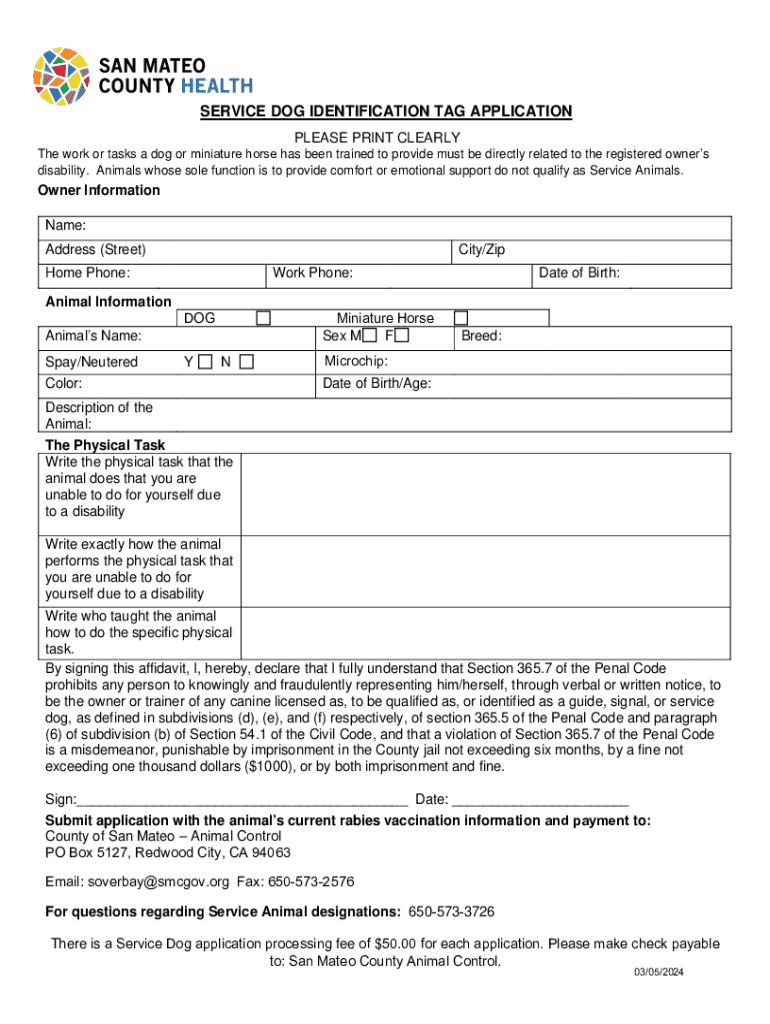







Definition and Meaning of Miniature Horses as Service Animals
Miniature horses are increasingly recognized as capable service animals, alongside more traditional options like dogs. These small equines can provide various types of assistance to individuals with disabilities. In this context, a service animal is one that is specially trained to perform tasks that directly improve the quality of life and independence of a person with a disability. Miniature horses are known for their intelligence, gentle demeanor, and strength, which makes them well-suited for tasks that require physical support.
Key Characteristics
- Size and Strength: Miniature horses are small enough to fit in most public spaces yet strong enough to provide physical support.
- Temperament: They are generally calm and composed, which is crucial for maintaining focus and safety in dynamic environments.
- Lifespan: They have a long lifespan, often living 25 to 30 years, offering a reliable long-term partnership.
Tasks Miniature Horses Can Perform
Miniature horses are trained to perform various tasks that can significantly enhance the daily life of individuals with disabilities. Just like service dogs, they can be trained to execute specific tasks tailored to the individual's needs.
Common Tasks
- Guiding the Blind: Similar to guide dogs, miniature horses can lead individuals with visual impairments, helping them navigate environments safely.
- Mobility Assistance: They can help individuals with mobility impairments by providing physical support, including helping them maintain balance or pulling wheelchairs.
- Fetching Items: They can be trained to retrieve objects that are out of reach, such as dropped items or items on elevated surfaces.
- Opening Doors: They are capable of opening doors, either by using a mouth-operated mechanism or through other trained means.
How to Obtain a Miniature Horse as a Service Animal
Acquiring a miniature horse as a service animal involves several critical steps, ensuring that both the animal and the owner are well-prepared for their roles. The process includes training, certification, and legal recognition of the animal as a service animal.
Steps for Acquisition
- Evaluation: Determine if a miniature horse is the right fit for your needs and lifestyle. Consider the tasks you require assistance with and if a horse can reasonably accommodate those needs.
- Training: Engage in comprehensive training with a certified trainer specializing in service animals. This training should be tailored to the specific tasks the horse will need to perform.
- Certification: Obtain certification from a recognized organization that confirms the horse's ability as a service animal.
- Registration: Although not legally required, registering your service animal can facilitate smoother interactions in public spaces.
Legal Use and Regulations
In the United States, the legal use of miniature horses as service animals is protected under the Americans with Disabilities Act (ADA). However, specific regulations can vary by state and local jurisdictions.
Legal Considerations
- Public Access: Miniature horses are permitted in public places wherever service dogs are allowed, provided the animal is kept under control and does not pose a safety threat.
- State Variations: Some states may have additional requirements or certifications for using a miniature horse as a service animal.
Important Terms and Definitions
Understanding the terminology related to service animals and miniature horses is crucial for ensuring compliance and effective communication.
Key Terms
- Service Animal: An animal trained to perform tasks directly related to a person's disability.
- Handler: The person with a disability who uses a service animal.
- Public Access Test: An evaluation to ensure a service animal behaves appropriately in public, maintaining focus and control.
Examples of Miniature Horses as Effective Service Animals
Real-world examples can illustrate the practical benefits and applications of miniature horses as service animals. These examples demonstrate how these animals have impacted the lives of individuals positively.
Case Studies
- Case Study 1: An individual with a severe balance disorder utilizes a trained miniature horse for stability and falls prevention, allowing for greater independence in daily activities.
- Case Study 2: A person with mobility challenges uses their miniature horse to assist in wheelchair tasks, enabling access to spaces not otherwise achievable.
Eligibility Criteria for Service Designation
Before a miniature horse can be deemed a service animal, certain eligibility criteria must be met. These criteria ensure that the horse is the right choice for both the handler and the intended tasks.


Criteria and Considerations
- Disability Necessity: The tasks the horse performs must be directly related to the handler’s disability.
- Suitability: Not all miniature horses are suited for service work; temperament and ability are fundamental considerations.
By leveraging these unique abilities of miniature horses, individuals with disabilities can enjoy enhanced freedom and support in their daily lives, akin to service dogs.




