




Understanding Parental Consent for Minor to Travel
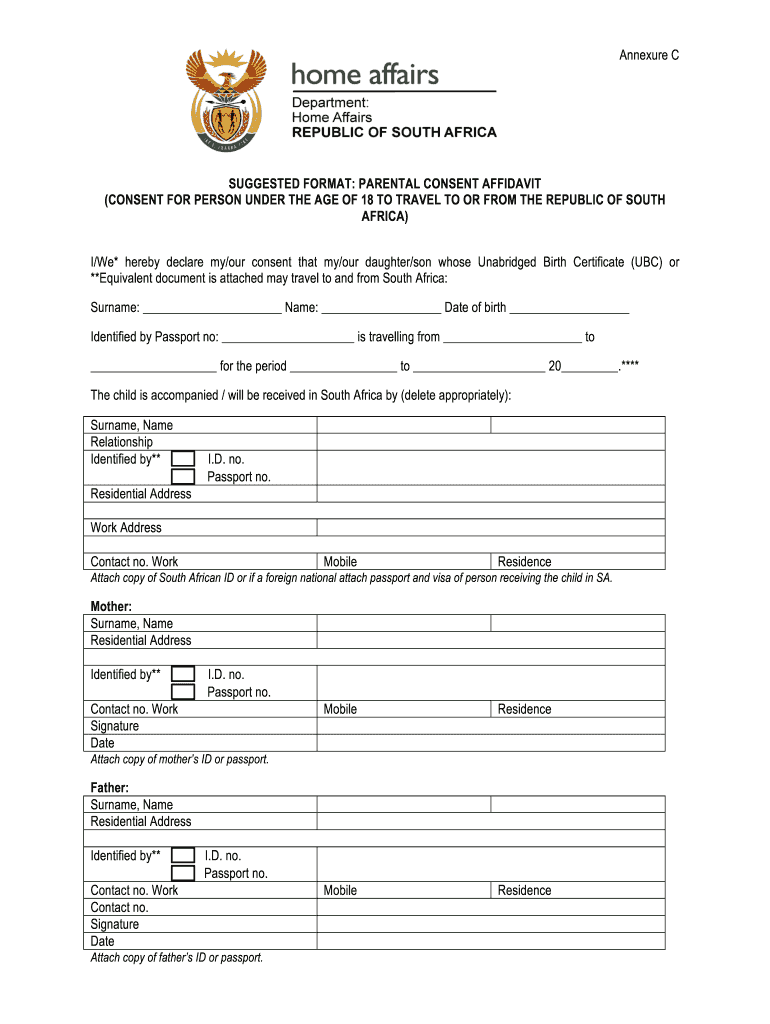
Parental consent for a minor to travel is a legal document required when a child under the age of 18 is traveling alone, with one parent, or with someone who is not their parent or legal guardian. This document serves to protect the rights of the child as well as to provide necessary permissions to ensure a smooth travel process.
Key Elements of a Parental Consent Document
A parental consent document should include the following essential components:
- Child’s Information: Full name, date of birth, and passport or identification number.
- Travel Companion’s Information: Name, relationship to the child, and contact details.
- Travel Details: Travel dates, destinations, and mode of transport.
- Parent or Guardian Contact Information: Names and phone numbers of parents or legal guardians providing the consent.
- Notarization: A signature validated by a notary public to authenticate the document.
Each section must be filled out accurately to avoid any disputes or complications during travel.
Importance of the Consent Letter
The need for parental consent for minors traveling is significant for several reasons:
- Legal Protection: Ensures that the child is traveling with the permission of their guardians, reducing the risk of parental abduction issues.
- Travel Regulations: Various airlines and countries may require these documents, especially for international travel.
- Emergency Situations: In case of emergencies, having a consent letter helps in verifying the relationship between the adult accompanying the child and the child themselves.
Steps to Complete a Parental Consent Form
- Gather Required Information: Collect all necessary details about the child, travel companion, and trip.
- Draft the Consent Letter: Use a standard template or create a custom document that contains all key elements.
- Review the Document: Double-check for accuracy and completeness.
- Notarize the Document: Visit a notary public to sign the document for validation.
- Keep Copies: Create multiple copies; provide them to the travel companion and retain one for personal records.
This step-by-step approach ensures that all aspects of the consent letter are properly addressed.
Examples of When Parental Consent is Required
- International Travel: When a minor is traveling outside the United States with only one parent or a third party, a consent letter is typically required.
- School Trips: For school-sponsored travel, it may be necessary to provide consent, particularly if the travel involves crossing state lines or flying.
- Temporary Guardianship: If a child is placed in the care of relatives or friends for travel, the legal guardian may need to provide a consent form.
Understanding when and why a consent letter is needed is crucial for parents and guardians.
State-Specific Variations and Requirements
Different states may have additional regulations regarding parental consent forms. It is important to check local laws to ensure compliance:
- Notarization Requirements: Some states may require notarization while others do not.
- Additional Documentation: Certain jurisdictions may request extra documents, such as copies of the parents' identification or birth certificates of the child.
Being aware of these variations can prevent obstacles during the travel process.
Common Pitfalls to Avoid
- Incomplete Information: Omitting key details can lead to delays or denials at checkpoints or airlines.
- Failure to Notarize: Notarization can be overlooked, resulting in the document being rejected.
- Expired Consent Letters: Ensure the consent letter is valid for the duration of travel; overly dated documents can be problematic.
Awareness of these pitfalls allows for smoother travel experiences.
Conclusion
Parental consent for a minor to travel is a vital component in ensuring safe and legal travel for children. By understanding the necessary elements and processes involved in preparing this document, parents and guardians can facilitate experiences that are both enjoyable and compliant with legal requirements.