
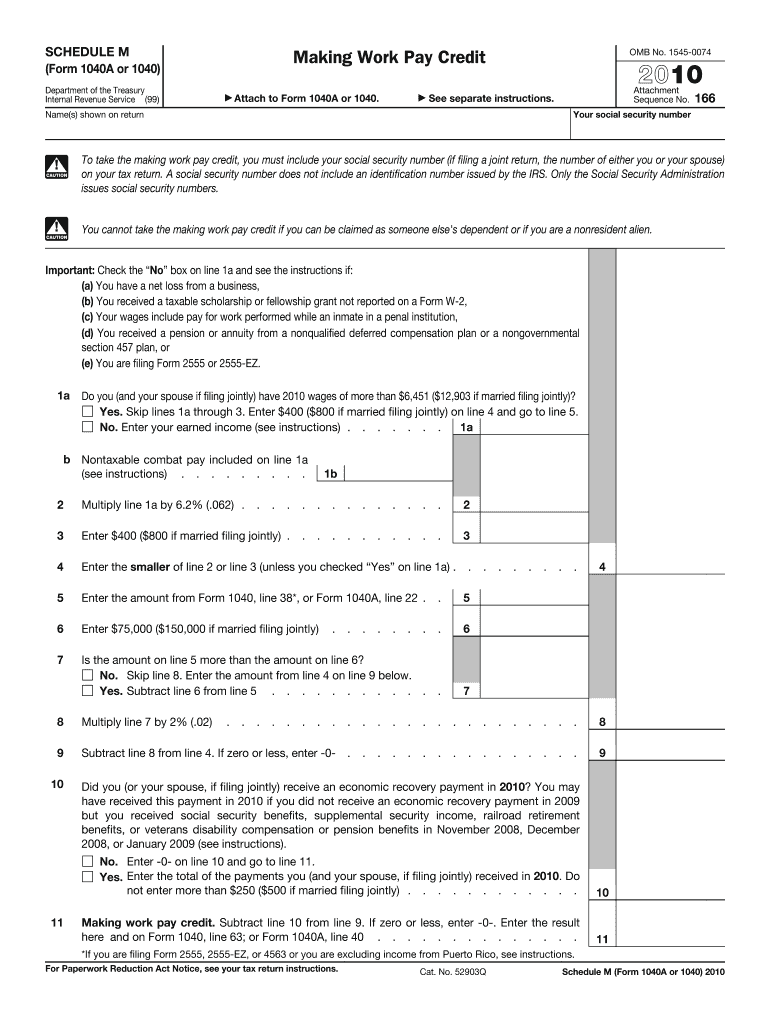







Definition & Meaning
The SBA Form 1010C is a critical document used by entities seeking participation in the Small Business Administration's (SBA) programs. It serves as an application tool for businesses desiring to qualify for SBA's assistance. This form helps determine a business's eligibility based on various criteria, including size, business type, and ownership status. Understanding the purpose and requirements of SBA Form 1010C is essential for businesses to successfully engage with the SBA.
How to Use the SBA Form 1010C
Businesses use SBA Form 1010C to apply for SBA programs aimed at supporting small entities. The form is specifically designed to capture necessary business information, such as ownership details, financial data, and operational specifics. To use this form effectively, businesses must carefully fill out each section with accurate and detailed information. It's essential to adhere to the instructions provided and ensure all fields are completed correctly to facilitate a smooth application process.
How to Obtain the SBA Form 1010C
The SBA Form 1010C can be accessed and downloaded from the official SBA website. Alternatively, it may also be available through the offices of SBA field offices or local business resource centers. To obtain the form:
- Visit the SBA website and navigate to the forms section.
- Search for "SBA Form 1010C" in the search bar.
- Download the form in either PDF or DOC format.
- Ensure you save the form to a secure location on your device for easy access.
Steps to Complete the SBA Form 1010C
Completing the SBA Form 1010C involves several important steps:
-
Gather Necessary Information: Collect all relevant business and personal ownership data, including financial records, business licenses, and tax returns.
-
Accurate Data Entry: Enter details meticulously in each section, ensuring accuracy to avoid delays or rejections.
-
Review and Verify: Double-check all entries for errors or omissions before final submission.
-
Attach Supporting Documents: Include required documentation as specified in the instructions, such as financial statements and proof of ownership.
-
Submit the Form: Submit the completed form through the recommended submission method, either online or via mail.
Key Elements of the SBA Form 1010C
Critical components of the SBA Form 1010C include:
- Ownership Information: Details about the business's ownership structure, including names, percentages owned, and personal backgrounds.
- Financial Data: Comprehensive financial information, such as revenues, expenses, and net income, to assess eligibility.
- Business Type: Classification of the business, whether it's a sole proprietorship, partnership, or corporation.
- Certification Statements: Declarations affirming the accuracy of the provided information and compliance with SBA regulations.
Required Documents
Businesses submitting SBA Form 1010C must include a set of documents that support their application, such as:
- Business Licenses: Proof of legal operation and compliance with state regulations.
- Tax Returns: Recent tax filings to verify financial status and income declarations.
- Financial Statements: Balance sheets and income statements to substantiate the financial condition.
Legal Use of the SBA Form 1010C
SBA Form 1010C is designed for lawful use to evaluate business eligibility for SBA programs. This form must be completed truthfully and accurately as it is a legal document subject to SBA oversight. Misrepresentation or falsification of information can lead to penalties or disqualification from SBA assistance. Businesses are advised to consult legal or financial advisors to ensure compliant usage.
Form Submission Methods
Businesses can submit the SBA Form 1010C through various channels:
- Online Submission: Upload the form and supporting documents via the SBA's official online portal.
- Mail Submission: Send printed copies of the form and attachments to the designated SBA office.
- In-Person Submission: Deliver the completed form to an SBA field office if available.
Selecting the submission method should be based on convenience and the ability to track the form's progress.
Business Types That Benefit Most from SBA Form 1010C
Small to mid-sized businesses stand to benefit the most from completing SBA Form 1010C, particularly those seeking loans, government contracts, or technical assistance. Industries frequently leveraging this form include manufacturing, healthcare, construction, and professional services. Businesses that qualify can access financial support, growth opportunities, and resources tailored to small business success through SBA programs.
Examples of Using the SBA Form 1010C
A construction company looking to expand its operations might use SBA Form 1010C to apply for an SBA-guaranteed loan. By detailing their growth plans and financial needs, the company increases its chances of receiving tailored support. Similarly, a minority-owned business could utilize the form to qualify for specific SBA initiatives encouraging diversity in government contracting.
Penalties for Non-Compliance
Non-compliance with regulations associated with SBA Form 1010C can result in significant repercussions. Businesses may face fines, disqualification from SBA programs, or potential legal action. Ensuring meticulous completion, honesty in data representation, and adherence to submission deadlines is crucial to avoid such penalties and maintain eligibility for SBA assistance.




