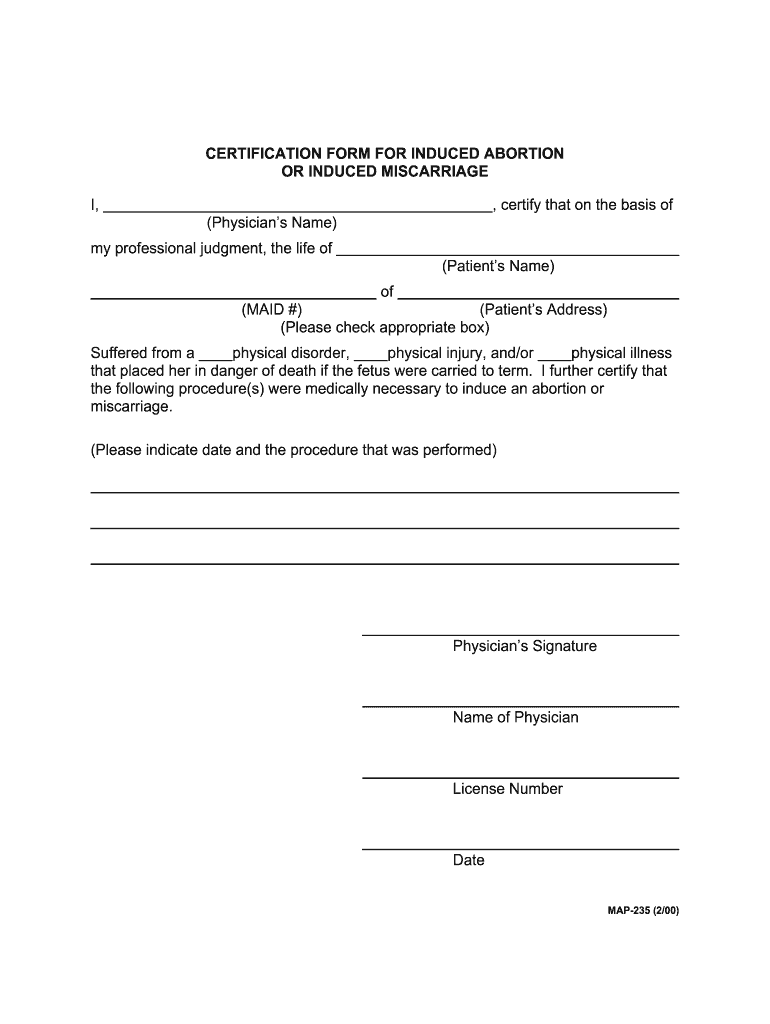







Definition and Meaning of a Miscarriage Doctor's Note
A miscarriage doctor's note serves as a formal document issued by a healthcare provider to confirm that an individual has experienced a miscarriage. This note can be vital for various purposes, such as medical records, workplace requirements, or insurance claims. Generally, it includes details like the patient's name, the physician's name, and a statement regarding the miscarriage, verifying its medical necessity due to health complications or conditions.
Key Components of a Miscarriage Doctor's Note
- Patient Information: The note should clearly state the full name and other identifying details of the patient.
- Physician's Information: Details of the treating physician, including their designation and contact information, should be included.
- Medical Justification: A brief explanation noting the medical reasons for the miscarriage could be required, asserting it was a necessary outcome due to health risks.
- Date of Event: The date on which the miscarriage occurred should be documented for authenticity.
How to Obtain a Miscarriage Doctor's Note
Acquiring a miscarriage doctor's note typically involves a visit to a healthcare provider who can verify the condition. This process often follows these steps:
- Schedule an Appointment: Contact your healthcare provider and arrange for an evaluation. It's important to discuss your medical history and symptoms.
- Undergo an Evaluation: During this appointment, the doctor will review your health status, perform necessary examinations, and may conduct tests if needed.
- Request the Note: If a miscarriage is confirmed, explicitly request a doctor's note. The physician can provide this documentation upon request, often during the same consultation.
Important Considerations
- Physicians may require proof of identification.
- Be clear about the note's intended use—whether for work, insurance, or personal records—so the doctor can provide appropriate information.
Steps to Complete the Miscarriage Doctor's Note
Completing a miscarriage doctor's note involves several actions to ensure it meets all necessary criteria.
Step-by-Step Process
- Consultation and Examination: Attend your scheduled appointment with all relevant medical history.
- Documentation: The doctor will complete the note, filling in required fields such as patient name, date of the incident, and providing a medical statement.
- Signature and Date: Ensure that the physician signs and dates the note as this is necessary for its legality.
Example Elements to Check
- Confirm all patient and physician details are correct.
- Verify that any necessary medical explanations align with your situation.
- Ensure the note is formatted properly for submission, particularly if required by an employer or insurance provider.
Legal Use of the Miscarriage Doctor's Note
The miscarriage doctor's note is considered a legal document under specific circumstances. Understanding its legal implications can ensure its proper use.
Acceptable Legal Contexts
- Workplace Absences: Employers may request a doctor's note to validate time-off due to a miscarriage.
- Insurance Claims: Health insurance companies often require official documentation for claims related to pregnancy loss or medical expenses incurred.
- Legal Records: The note can be part of personal medical records, providing proof of a medical event that may impact health insurance or future family planning.
Important Legalities
- The note must be written and signed by a licensed medical professional.
- It should contain appropriate medical jargon that confirms its authenticity, as per medical and legal standards in the United States.
Key Elements of a Miscarriage Doctor's Note
Several essential components constitute a complete and valid miscarriage doctor's note. Each element plays a critical role in ensuring its effectiveness and acceptance when needed.
Essential Components
- Legal Physician Signature: The note must be signed by a licensed medical professional to be deemed valid.
- Patient Identification: Full name, date of birth, and sometimes contact information to clearly identify the patient involved.
- Medical Statement: A concise statement explaining the nature of the miscarriage and any relevant medical justifications.
- Date of Service: The date when the examination occurred and when the note was issued should be included to support timelines in employment or reporting instances.
Variability in Notes
- Specific formats can differ based on the healthcare provider's office or hospital.
- Some notes may include additional medical details or recommendations concerning follow-up appointments or care.
Examples of Using a Miscarriage Doctor's Note
Practical examples demonstrate the various uses of a miscarriage doctor's note across different scenarios.
Common Situations
- Employer Notification: If a woman experiences a miscarriage, she may provide this note to her employer to clarify her absence and ensure job security.
- Health Insurance Claims: This documentation can accompany claims or inquiries, aiding in the approval of any associated medical costs or benefits.
- Support Group Reference: Individuals seeking support may present this note to validate their experience within community groups or counseling services.
Documenting Use Cases
- An employee faced with the sudden need for bereavement leave would present the note to HR.
- A patient applying for benefits related to pregnancy loss would submit the note as proof of the medical event.
- Individuals participating in therapy groups focused on pregnancy loss may share this note to foster understanding and support.
By understanding these critical elements and their applications, individuals can effectively navigate the emotional and administrative challenges associated with the need for a miscarriage doctor's note.