



01. Edit your edit az online
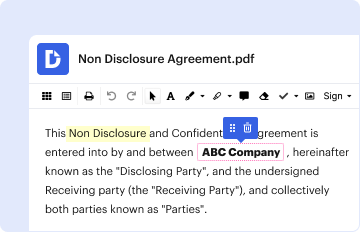
Type text, add images, blackout confidential details, add comments, highlights and more.

Type text, add images, blackout confidential details, add comments, highlights and more.

Draw your signature, type it, upload its image, or use your mobile device as a signature pad.

Send it via email, link, or fax. You can also download it, export it or print it out.
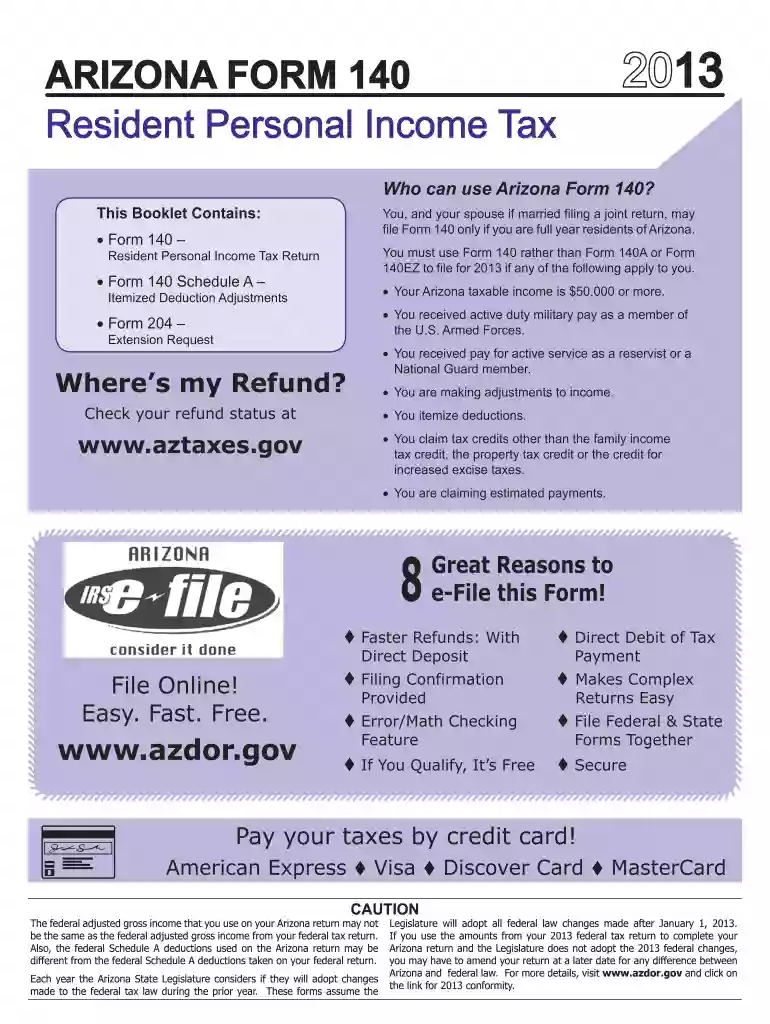
The AZ 140 fillable form is the designated document for filing individual income tax returns in Arizona. This form caters specifically to residents of Arizona who need to report their income and taxes for the fiscal year. It ensures taxpayers provide comprehensive financial details to comply with state tax obligations. The form's availability in a fillable format simplifies the filing process, enabling individuals to fill out the form electronically, enhancing accuracy and efficiency.
Accessing the AZ 140 fillable form is straightforward. The Arizona Department of Revenue provides this form online, ensuring easy access for all residents. By visiting the official website, individuals can download the PDF version of the form at no cost.
Completing the AZ 140 fillable form requires careful attention to detail and accurate reporting of financial information. Here’s a step-by-step breakdown to guide through the process:
Personal Information Section:
Income Details:
Deductions:
Tax Credits:
Calculate Tax Liability:
Final Summary:
Understanding key terminology associated with the AZ 140 fillable form can enhance accuracy and compliance during the filing process. This section explores essential terms frequently encountered.
Filing requirements specify who must file an AZ 140 fillable form, based largely on income levels and residency status in Arizona. Understanding these criteria ensures compliance and avoids potential penalties.


Taxpayers in Arizona have multiple options for submitting the AZ 140 fillable form, each varying in convenience and processing times.
Electronic Filing (E-File):
Mail-in Submission:
In-Person Submission:
Adhering to official filing deadlines is pivotal for avoiding late fees and additional penalties. Arizona follows federal filing timelines, with some state-specific exceptions.
Neglecting to submit the AZ 140 fillable form correctly or within the designated timeframe can lead to penalties and interest charges.
Keeping up to date with form requirements, submission methods, and common terms can significantly aid in filing your Arizona state taxes accurately and efficiently.
We've got more versions of the edit az form. Select the right edit az version from the list and start editing it straight away!
| Versions | Form popularity | Fillable & printable |
|---|---|---|
| 2025 | 4.4 Satisfied (47 Votes) | |
| 2024 | 4.9 Satisfied (40 Votes) | |
| 2023 | 4.8 Satisfied (46 Votes) | |
| 2022 | 4.5 Satisfied (66 Votes) | |
| 2021 | 4.8 Satisfied (35 Votes) | |
| 2020 | 4.4 Satisfied (255 Votes) | |
| 2019 | 4.3 Satisfied (138 Votes) | |
| 2018 | 4.2 Satisfied (83 Votes) | |
| 2017 | 4.3 Satisfied (87 Votes) | |
| 2016 | 4.2 Satisfied (124 Votes) | |
| 2013 | 4.5 Satisfied (41 Votes) |
At DocHub, your data security is our priority. We follow HIPAA, SOC2, GDPR, and other standards, so you can work on your documents with confidence.
You may file Form 140 only if you (and your spouse, if married filing a joint return) are full year residents of Arizona. You must use Form 140 if any of theRead more
Feb 1, 2021 A statewide centralized call station, Arizona (AZ) Surge Line, was created through the Office of the Governor Doug Ducey to facilitateRead more


