
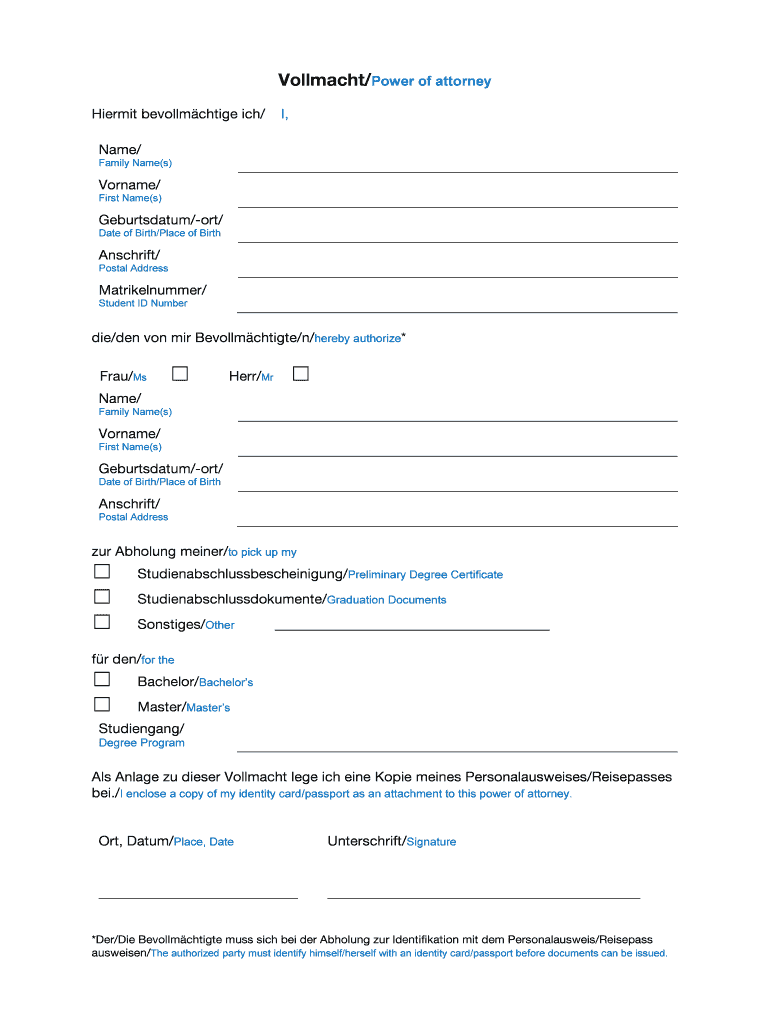




Definition and Meaning of Vollmacht Power of Attorney
The term "vollmacht power of attorney" refers to a legal document that grants one individual (the agent or attorney-in-fact) the authority to act on behalf of another individual (the principal) in various matters. This document is crucial in situations where the principal cannot manage their affairs due to absence, incapacity, or other reasons. The power of attorney can cover specific actions, such as handling financial transactions, making healthcare decisions, or managing real estate.
- Types of Powers Granted:
- Limited Power of Attorney: This allows the agent to perform specific tasks or make decisions in defined areas, such as selling a property or managing bank accounts.
- General Power of Attorney: This provides broader authority for the agent to act on behalf of the principal in most matters.
Understanding the specific powers delineated in a "vollmacht power of attorney" is vital for both the principal and the agent to avoid misunderstandings regarding the authority granted.
How to Use the Vollmacht Power of Attorney
Using a vollmacht power of attorney effectively involves several critical steps to ensure that the document serves its intended purpose without legal complications.
- Identify Needs: Determine the areas in which you require assistance. This could range from financial matters to health care decisions.
- Select a Trusted Agent: Choose a reliable person to act as your agent. This person should be trustworthy and competent to handle the responsibilities you assign.
- Usage Scenarios:
- An individual traveling abroad may grant a limited power of attorney to a friend to manage banking tasks.
- An elderly person might use a general power of attorney to allow their child to make healthcare decisions in their absence.
Being clear about the intended uses of the power of attorney can streamline the process and offer peace of mind.
Steps to Complete the Vollmacht Power of Attorney
Completing a vollmacht power of attorney involves several important steps to ensure it is valid and effective.
-
Draft the Document: You can create a vollmacht power of attorney using templates specific to your state or consult a legal professional for assistance.
-
Include Relevant Information:
- Principal Information: Full name, address, and contact details.
- Agent Information: Full name, address, and contact details.
- Scope of Authority: Clearly define what powers are granted.
-
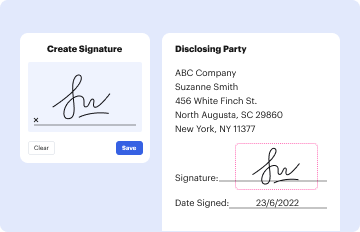
Sign and Date the Document: The document typically requires the principal's signature and date, and in some states, it may require notarization or witness signatures.
-
Distribute Copies: Provide copies to the agent and keep a copy for your records.
Ensuring that all these steps are correctly followed can prevent future disputes or issues regarding the authority given to the agent.
Important Terms Related to Vollmacht Power of Attorney
Understanding key terms associated with the vollmacht power of attorney is essential for both principals and agents. These definitions clarify the document's components and ensure proper usage.
- Principal: The person granting authority.
- Agent/Attorney-in-Fact: The person who receives authority to act on the principal's behalf.
- Durable Power of Attorney: A power of attorney that remains effective even if the principal becomes incapacitated.
- Revocation: The act of cancelling the power of attorney, which must be done in writing.
Recognizing these terms aids in properly navigating the legal landscape surrounding the power of attorney.
Legal Use of the Vollmacht Power of Attorney
The legal use of a vollmacht power of attorney encompasses a variety of applications and guidelines to ensure its validity and enforceability under U.S. law.
-
Compliance with State Laws: Each state has its specific requirements regarding the execution and enforcement of powers of attorney. Familiarizing yourself with these can prevent legal complications.
-
Acting in Good Faith: The agent must act in the best interest of the principal, making decisions that align with the principal's wishes and best interests.
-
Common Legal Applications:
- Managing bank accounts and financial transactions.
- Making medical decisions when the principal is incapacitated.
Adequately understanding the legal frameworks governing the vollmacht power of attorney ensures that all activities remain compliant and within legal boundaries.
Who Typically Uses the Vollmacht Power of Attorney
The vollmacht power of attorney is commonly used in various scenarios and by diverse groups of individuals. Understanding who typically utilizes this document can clarify its importance and practical applications.
- Elderly Individuals: Many elderly people create powers of attorney to ensure that trusted family members or friends can make healthcare and financial decisions on their behalf.
- Individuals Traveling Abroad: Those traveling may issue a limited power of attorney to handle specific affairs while away.
- Business Owners: Entrepreneurs often use powers of attorney to delegate responsibilities for managing their business affairs, particularly in their absence.
Identifying who commonly uses this legal tool can provide context into its necessity and adaptability in various life situations.