
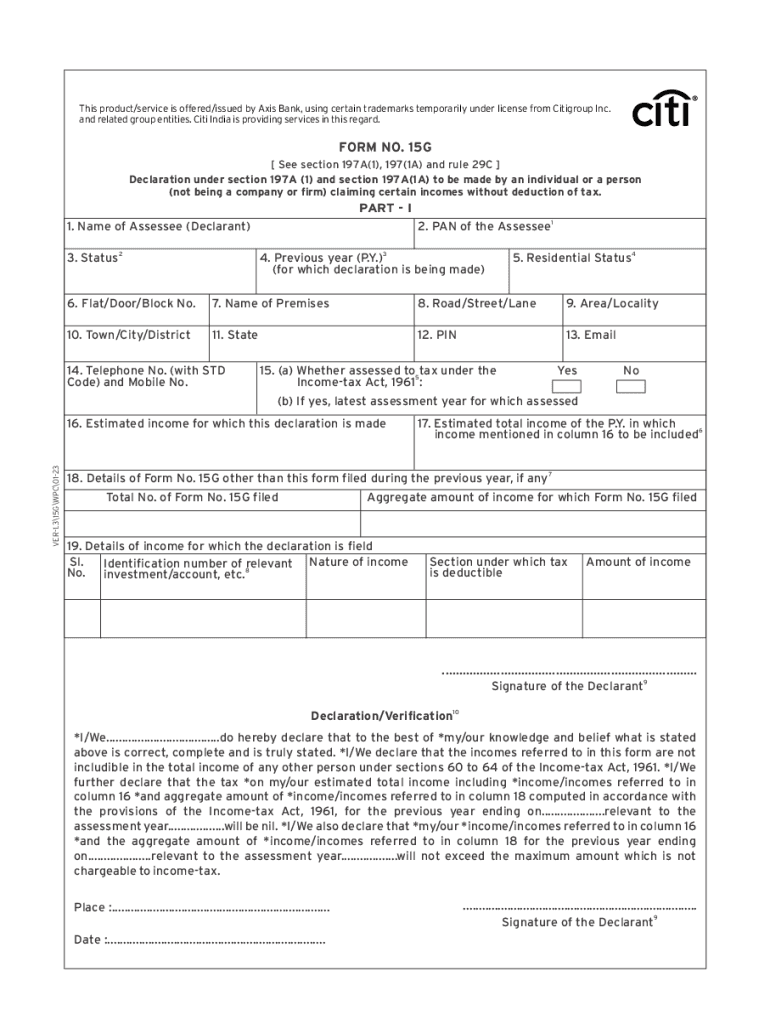







Definition and Meaning of Citi’s Consumer Agreement Sale
The term "Citi Announces Agreement to Sell Its Consumer" typically refers to a significant business decision or transaction where Citigroup, a major financial institution, decides to sell its consumer banking division. This form of transaction usually involves transferring assets, liabilities, and consumer banking services to another company. The decision can stem from strategic realignment, raising capital, or focusing on other financial services. Such transactions impact employees, customers, and stakeholders, necessitating comprehensive communication and legal processes.
How to Use the Citi Consumer Sale Agreement
In the context of a business merger or acquisition, using an agreement form for Citi's sale of its consumer division involves several key steps. Users should first review the document to understand its terms and conditions. Individuals involved may include legal teams, corporate executives, and financial analysts who coordinate to ensure compliance and risk management.
- Review Terms: Analyze the financial and operational terms specified in the agreement.
- Legal Compliance: Ensure all legal requirements are adhered to for validity and enforceability.
- Integration Planning: Stakeholders must work on planning the integration post-sale, affecting both employees and customers.
Steps to Complete the Citi Consumer Agreement Form
Completing an agreement involving the sale of Citi's consumer division is a meticulous process:
- Initial Review: Begin by thoroughly examining the document to understand all clauses.
- Stakeholder Input: Gather insights and input from relevant parties such as legal teams, financial auditors, and management.
- Due Diligence: Conduct comprehensive due diligence to assess all aspects related to the sale.
- Drafting and Negotiation: Clarify and negotiate any terms that require adjustments.
- Signatures: Obtain all necessary approvals and signatures from authorized parties to execute the agreement.
Key Elements of the Consumer Sale Agreement
The consumer sale agreement comprises several critical elements. Recognizing these components is vital for stakeholders:
- Transaction Details: Specifics of the sale, including price, assets transferred, and liabilities assumed.
- Confidentiality Clauses: Protect sensitive financial and business information.
- Closing Conditions: Outline all prerequisites and obligations for the effective completion of the sale.
- Representations and Warranties: Assure the accuracy and integrity of information exchanged between parties.
Who Typically Uses the Citi Consumer Agreement Document
Primarily, the form is utilized by business executives, legal advisors, and financial professionals. It may also involve regulators and compliance officers who ensure adherence to industry standards:
- Legal Advisors: To draft and review the agreement details.
- Corporate Executives: To oversee and approve the sale.
- Financial Analysts: To assess the financial implications of the transaction.

Required Documents for Completing the Agreement
Completing the Citi consumer sale agreement necessitates a set of essential documents:
- Financial Statements: To present the financial health of the consumer division.
- Regulatory Approvals: Necessary permissions from governing bodies.
- Corporate Records: Documents related to the organizational structure and history.
- Legal Contracts: Pre-existing contracts that may affect the sale.
Legal Use of the Citi Consumer Sale Agreement
Ensuring the legal validity of such transactions is critical:
- Regulatory Compliance: Must adhere to financial regulations and antitrust laws.
- Dispute Resolution: Includes clauses on how potential disputes will be handled, often through arbitration or litigation.
- Indemnifications: Protect parties from liabilities arising after the sale.
Software Compatibility for Document Management
In the digital age, managing a Citi sale agreement might involve software solutions like DocHub:
- Integration Capabilities: Compatibility with platforms like Google Workspace enables seamless management.
- Secure Editing and Collaboration: Collaborative features make it easier for the involved parties to edit and track changes securely.
- Legal E-Signing: Supports electronic signature functionalities compliant with the ESIGN Act, making documents legally binding.
State-by-State Differences in Implementation
While the agreement follows general corporate laws, there may be state-specific nuances based on where Citi's consumer division operates:
- State Regulations: Specific states might have unique consumer protection laws affecting transaction terms.
- Financial Compliance: Varies based on state financial oversight agencies and their requirements.
- Licensing Requirements: Certain states require special licenses for financial transactions to be recognized legally.




