Definition & Meaning
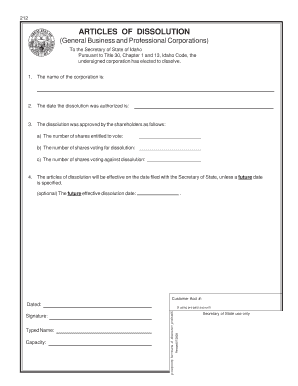
The "Registered Representative Appointment Request Producer Data" form is a comprehensive document utilized primarily by financial firms, insurance companies, and other organizations that require licensed representatives to sell or facilitate their products. The form functions as a formal request to register an individual as a representative, facilitating their appointment and licensing to engage in activities such as selling annuities and other financial products. Its purpose is to ensure compliance with both federal and state regulations by collating essential data and confirmations from the applicant.
Importance of the Registered Representative Appointment Request Producer Data Form
Having the appropriate appointment as a registered representative is crucial for operating within the legal frameworks established by various financial and regulatory bodies. This document is pivotal for ensuring that producers are qualified, licensed, and meet all necessary requirements before representing a company. Without this authorization, individuals would be unable to legally engage in product sales or recommendations, potentially exposing the firm to legal risks and financial penalties.
Key Elements of the Form
The Registered Representative Appointment Request Producer Data form encompasses several critical components to streamline the appointment process:
-
Personal and Business Information: This section captures basic details about the applicant, including their name, contact details, and any affiliations or business associations.
-
State License Information: Applicants must provide relevant state licensure details, showcasing their eligibility to operate within specific jurisdictions.
-
Background Checks and Consents: Consent is mandatory for background checks, ensuring that representatives have a clear regulatory record and meet industry standards.
-
Product-specific Certifications: Details about any specific certifications or qualifications related to the financial products they intend to sell.
Steps to Complete the Form
-
Gather Required Information: Before beginning, compile all necessary personal, business, and licensure information.
-
Fill Personal Details: Enter personal identifiers such as full name, contact details, and Social Security Number if required.
-
Provide Business Affiliation: Specify the applicant's employer or any associations relevant to their representative duties.
-
Document State Licenses: Include all active state licenses, ensuring that all jurisdictional compliance requirements are met.
-
Consent to Background Checks: Sign the consent for background checks and any other required disclosures.
-
Review and Submit: Double-check all sections for accuracy before submission.
Who Typically Uses this Form
The form is predominantly used by financial services professionals, insurance agents, and company administrators responsible for compliance and regulatory frameworks. Those signing fiduciary roles within financial institutions, who require official registration to interact legally with various financial products, are the primary users.
How to Obtain the Form
To access the Registered Representative Appointment Request Producer Data form, individuals typically contact the issuing agency directly, which customarily includes the company's compliance department or through an online portal managed by the financial institution. In some cases, these forms can also be found on regulatory bodies' websites that govern financial and insurance services.
Legal Use of the Form
This document must be used in accordance with federal and state laws governing the issuance of appointments and licenses for financial product sales. Proper completion and submission ensure that representatives are legally authorized to operate, safeguarding both the firm's interests and consumer protection standards.
State-specific Rules and Regulations
Each state may impose unique regulatory requirements regarding the licensure and appointment of registered representatives. It is critical to consult with regional regulations to ensure all documentation and compliance measures are fulfilled per local mandates. Some states might require additional certifications or endorse specific background check protocols.