
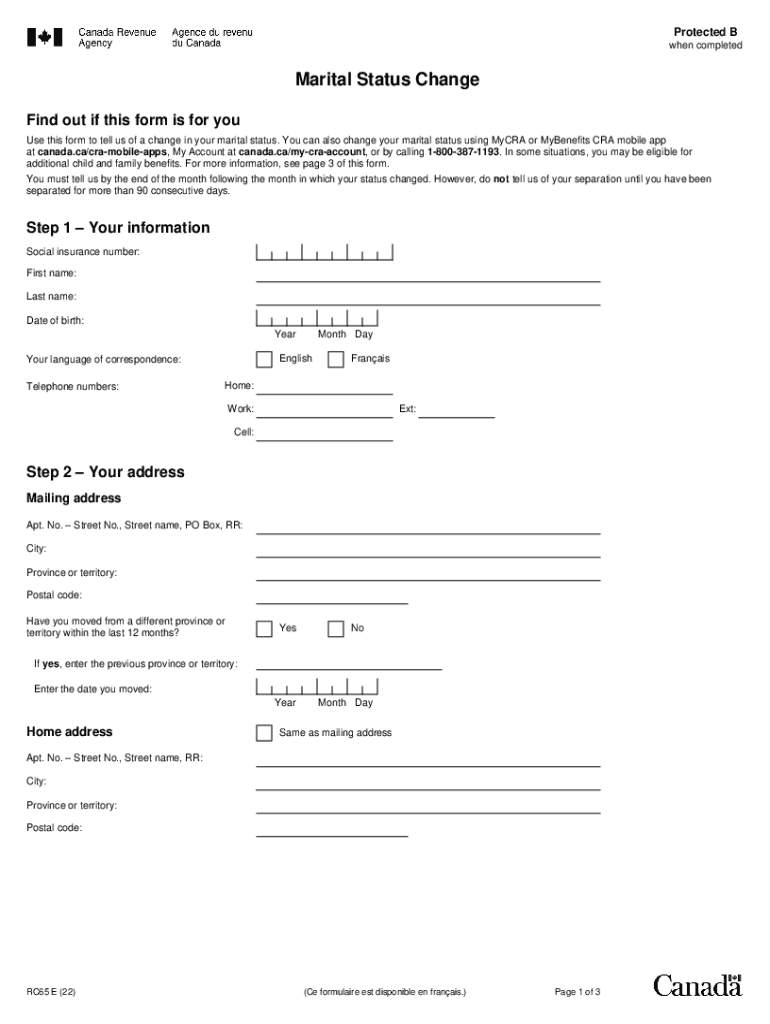







Definition and Purpose of Change Notification Form
"Tell HMRC about a change to your personal details," often referred to as the Change Notification Form, is a document used to inform HM Revenue & Customs (HMRC) of any updates to your personal information. This includes changes to your name, address, marital status, or financial situation that might impact your tax status. Keeping HMRC informed of these changes helps ensure accurate tax documentation and compliance with legal obligations. This form is essential for maintaining up-to-date contact details, which facilitates timely communication regarding tax matters.
How to Fill Out the Change Notification Form
To complete the Change Notification Form accurately, follow these steps:
- Carefully review your current personal information to ensure all changes are documented.
- Download the form from the HMRC website or request a physical copy through their helpline.
- In the appropriate sections, fill in your updated personal details, such as your new address or marital status.
- Provide your National Insurance number, ensuring it matches the one previously recorded with HMRC.
- Double-check for accuracy before submission to prevent delays or misinformation.
Ensure all information is correct and up-to-date, as inaccurate data may result in processing issues or penalties.
Methods of Form Submission
There are several ways to submit the Change Notification Form to HMRC:
- Online: Use the HMRC online portal, which provides a quick and efficient method to submit your form digitally. Ensure you have an active Government Gateway account for this option.
- Mail: Printed forms can be mailed directly to the HMRC address specified for your region. It's advisable to send it via tracked mail to confirm receipt.
- In-Person: Some individuals may opt to visit their local tax office to submit the form personally, allowing for any necessary verification on the spot.
Why You Should Inform HMRC
Notifying HMRC of changes to your personal details is crucial for several reasons:
- Tax Compliance: Accurate records help ensure you are taxed correctly and receive any entitled benefits or allowances.
- Avoid Penalties: Failing to notify HMRC may lead to fines or interest charges on unpaid or misallocated taxes.
- Effective Communication: Keeping your contact information current ensures HMRC can efficiently communicate important updates or inquiries.
Who Uses the Change Notification Form
Various individuals must use the Change Notification Form, including:
- Individuals Changing Address: If you move residences, update your address to avoid miscommunication.
- Married or Divorced Individuals: Changes in marital status can impact tax allowances and obligations.
- Name Changes: If your legal name changes due to marriage or other reasons, inform HMRC to update records accordingly.
Key Elements of the Form
Important parts of the Change Notification Form include:
- Personal Identification: Information such as your full name, previous details, and National Insurance number.
- New Details: Include updated information, such as a new address, name, or marital status.
- Signature: Verify the provided information by signing the form, confirming its accuracy.
Legal Implications of Incorrect Submissions
Submitting incorrect information on the Change Notification Form can have legal consequences:
- Misrepresentation: Deliberate inaccuracies might be viewed as fraud, with significant legal repercussions.
- Compliance Issues: Errors may lead to inaccuracies in your tax record, resulting in penalties or audits.
- Delayed Benefits: Incorrect details can postpone the receipt of tax benefits or adjustments applicable to your new status.
Examples and Scenarios
Consider these scenarios to understand the application of the Change Notification Form:
- Change of Address: John, a self-employed consultant, moved to a new city. He promptly sent the updated address to HMRC to ensure his tax return forms are delivered correctly.
- Name Change: Sarah changed her last name after marriage. She submitted the form to ensure her tax records reflect her new name, allowing for seamless continuation of her tax responsibilities.




