Definition & Meaning
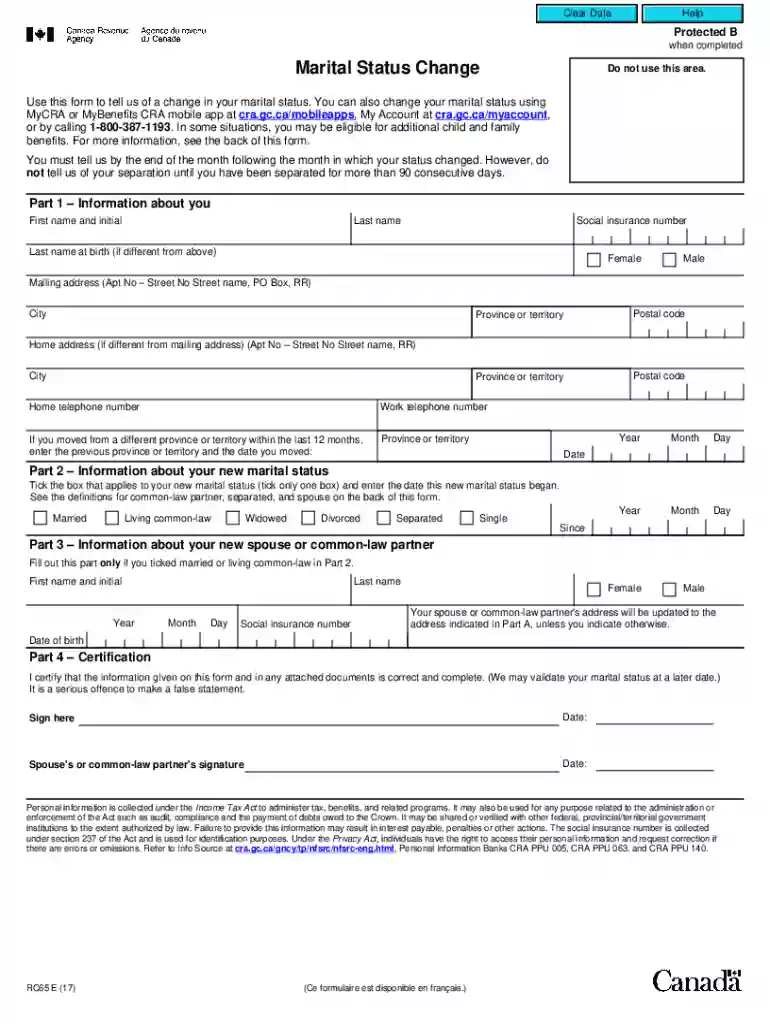
The "Marital Status Change - Street Tax" refers to a tax form specifically used for reporting changes in marital status, which can impact tax calculations and obligations. In the United States, marital status plays a significant role in determining one's tax liability, affecting aspects like filing status, deductions, and credits. This form is essential for keeping tax records accurate and compliant with IRS regulations, ensuring that any changes such as marriage, divorce, or separation are officially documented. The proper use of this form facilitates the correct adjustment of tax obligations according to the taxpayer's new marital status.
Steps to Complete the Marital Status Change - Street Tax
Step 1: Gather Necessary Personal Information
- Personal Details: Include full names, Social Security Numbers (SSNs), and contact information for both you and your spouse or former spouse.
- Current and Previous Addresses: This is especially important if your address has changed as a result of the marital status change.
Step 2: Detail the Marital Status Change
- Nature of the Change: Specify whether the change is due to marriage, divorce, or separation.
- Date of Change: Clearly list the date on which the change occurred, as this determines the tax year affected.
Step 3: Certification of Accuracy
- Signature Requirements: Both parties, if applicable, should sign the form to certify the accuracy of the information provided. This signature is legally binding and confirms the declaration's truthfulness.
How to Obtain the Marital Status Change - Street Tax
- Online Platforms: The form can often be acquired through official government websites or online tax preparation software such as TurboTax or QuickBooks, which offer easy access to a wide range of tax forms.
- Local Tax Offices: Physical copies of the form are available at local IRS offices or through their mailing service upon request.
- Professional Tax Advisors: Tax professionals can provide the form along with guidance on how to fill it out based on your specific circumstances.
Why You Should Marital Status Change - Street Tax
Marital status changes can significantly affect your tax filing in several ways:
- Filing Status: A change from single to married can allow for joint filing, which often results in a more favorable tax rate.
- Tax Benefits and Credits: Eligibility for certain tax benefits, such as the Earned Income Tax Credit and Child Tax Credit, may depend on marital status.
- Tax Obligations: Ensures compliance with IRS regulations, avoiding potential penalties for inaccurate reporting.
- Financial Planning: Provides a clear picture of your tax situation for better short- and long-term financial planning.
Important Terms Related to Marital Status Change - Street Tax
Common Terms
- Joint Filing: A tax filing status available to married couples who opt to combine their income and deductions.
- Head of Household: A filing status for unmarried individuals who provide more than half of the household support for a qualifying person.
- Separated: For tax purposes, refers to couples who are legally separated according to state laws but not divorced.
IRS Guidelines
The IRS provides comprehensive guidelines for completing and submitting the "Marital Status Change - Street Tax":
- Eligibility: To file this form, changes must happen in the current or past tax year being reported.
- Documentation: Maintain supporting documents such as marriage certificates or divorce decrees for reference and validation.
- Updates on Deductions: Stay informed about how a change in marital status can impact standard deductions and tax brackets.
Filing Deadlines / Important Dates
- Tax Year Alignment: The form should be filed as soon as possible after the change in marital status, typically before the deadline for filing annual tax returns.
- Specific Deadlines: The standard filing deadline for the form generally coincides with the tax return due date, usually April 15.
Required Documents
For efficient processing, ensure you have the following documents:
- Proof of Marital Change: Marriage certificates, divorce decrees, or legal separation documentation.
- Tax Returns: Prior years' tax returns to provide context and aid in calculating any adjustments needed.
- Identification: Valid IDs and Social Security cards for both parties involved in the status change.
Form Submission Methods (Online / Mail / In-Person)
- Online Submission: The most efficient and instantaneous method, often supported with confirmation receipts.
- Mail: Traditional submission method for those who prefer or require a paper trail.
- In-Person: Some may choose to file directly at an IRS office, ideal for receiving immediate assistance or clarification.