
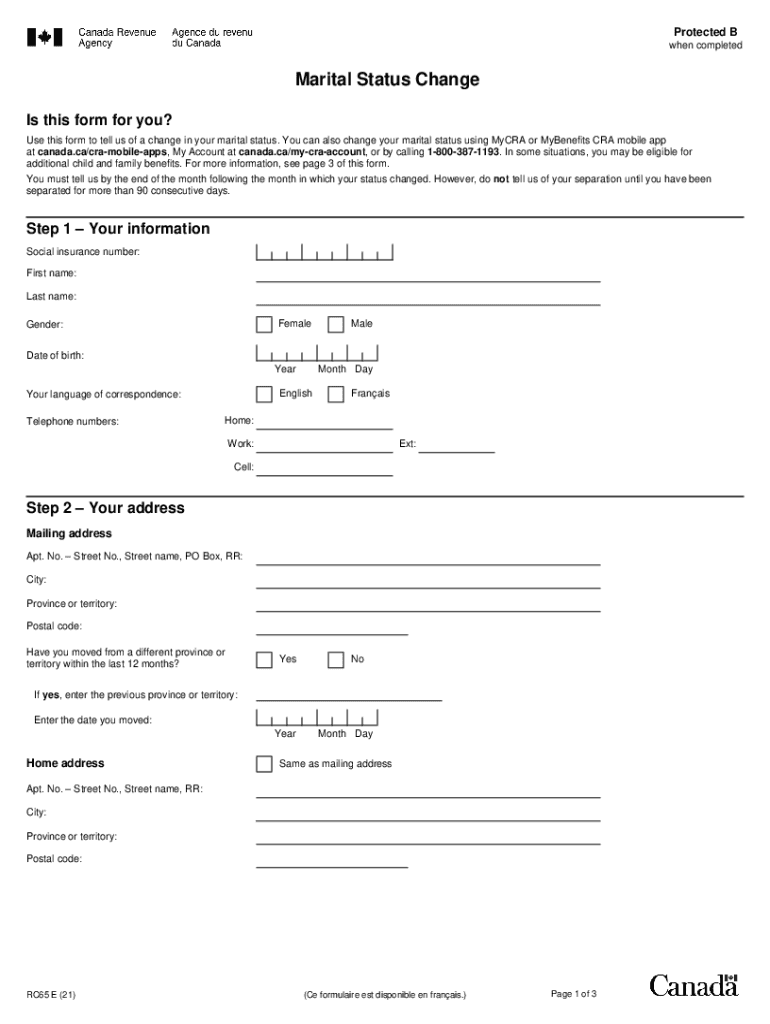




How to Use the Form Online
When working with forms online, understanding the process is crucial for efficiency and accuracy. Online forms offer several advantages, including ease of access, quick submission, and built-in guidance features.
-
Access the Platform: Begin by navigating to a platform like DocHub. Ensure you have a stable internet connection and a compatible web browser.
-
Create or Import a Document: Whether you need to start from scratch or work on an existing file, platforms typically allow you to open a document directly from your device or cloud storage.
-
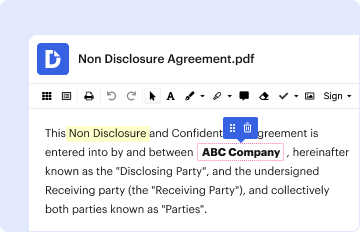
Utilize the Form Fields Manager: Drag and drop various fillable fields—such as text boxes, dropdowns, and signature fields—onto your document for customization.
-
Review and Edit: Make use of editing tools to add annotations, highlights, or modifications necessary for clarity and professionalism.
-
Submit the Form: After completing and reviewing the form, submit it using the platform's options for online sharing, email submission, or direct download for offline submission.
Steps to Complete the Form Online
Completing an online form involves several key steps to ensure that the submission is correct and meets all provided guidelines.
-
Locate the Correct Form: Use robust search features on the platform to find the specific form needed, ensuring it matches the intended purpose.
-
Fill Out Required Fields: Pay special attention to mandatory fields, often marked with asterisks, to avoid submission issues.
-
Attach Necessary Documents: If additional documentation is needed, ensure these files are uploaded in the required format (e.g., PDF, DOC).
-
Verify Information: Double-check all entries for accuracy, especially personal and financial data, to prevent processing delays.
-
Follow-Up Actions: Note any additional actions needed post-submission, such as awaiting confirmation emails or tracking application status on the platform.
Key Elements of the Form Online
Online forms share several critical components designed for efficiency and security.
- Interactivity: Provides dynamic fields that guide users through inputting correct information.
- Security: Utilizes encryption such as SSL and authentication methods, safeguarding personal and sensitive data throughout the process.
- Compatibility: Supports various file types and integrates with commonly used applications and cloud services for ease of use.
Legal Use of the Form Online
Using forms in an online environment must adhere to specific legal standards to ensure compliance and validity.
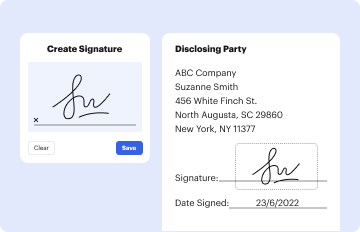
- Compliance: All electronic signatures and submissions should meet standards like the ESIGN Act, making them legally binding.
- Privacy: Platforms are built with privacy laws in mind, maintaining confidentiality through secure data storage and sharing protocols.
Who Typically Uses the Form Online
The flexibility and convenience of online forms make them suitable for a wide range of users.
- Individuals: For personal applications such as tax filings or service applications.
- Businesses: For internal documents, employee records, or client contracts.
- Educational Institutions: For administrative forms, registrations, and feedback collection.

Examples of Using the Form Online
Online forms serve various practical purposes across different scenarios.
- Tax Filings: Submitting forms like the IRS forms via online platforms for quicker processing.
- Job Applications: Completing employment forms that require detailed personal and professional information.
- Surveys and Feedback: Conducting surveys where responses are captured and analyzed directly through the digital medium.
Digital vs. Paper Version
Choosing between digital and paper forms can impact the speed and efficiency of form processing.
- Convenience: Digital forms allow immediate access and completion from any location.
- Eco-Friendly: Reduced paper waste is an environmental benefit.
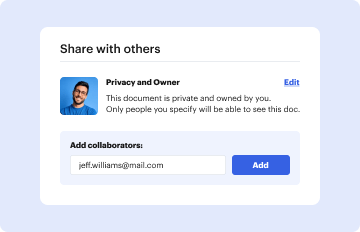
- Real-Time Collaboration: Digital platforms enable collaborative editing and instant updates.
Software Compatibility
Integrating forms with existing software ensures seamless operation and enhances user efficiency.
- Google Workspace: Direct access and modification of forms linked with Google Drive or Gmail for streamlined processes.
- Financial Tools: Compatibility with accounting software like TurboTax or QuickBooks for direct data import and export.
State-Specific Rules for the Form Online
Understanding regional variations in form requirements helps prevent compliance issues.
- Knowledge Base: Access state-specific regulations and guidelines directly within the form platform.
- Updates: Stay informed about legislative changes affecting form usage in different states.
These sections provide comprehensive instruction on using and understanding online forms, maximizing their utility and ensuring legal compliance and accuracy in form submissions.