



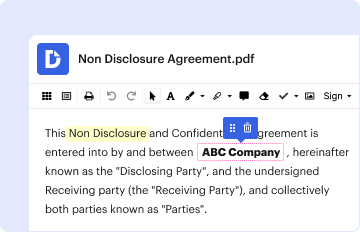
01. Edit your form online
Type text, add images, blackout confidential details, add comments, highlights and more.

Type text, add images, blackout confidential details, add comments, highlights and more.
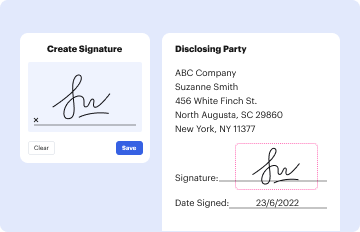
Draw your signature, type it, upload its image, or use your mobile device as a signature pad.

Send it via email, link, or fax. You can also download it, export it or print it out.
The 2017 Resident Personal Income Tax Return is a tax form used by residents to report their income to state tax authorities in the United States. This document allows individuals to calculate the tax due based on income earned throughout the tax year of 2017. Filing this form correctly is essential for compliance with state tax laws and to avoid penalties. The form typically covers income, deductions, credits, and other elements pertinent to compute the accurate tax liability or refund owed.
To acquire the 2017 Resident Personal Income Tax Return, individuals can visit the official website of their state’s department of revenue or tax authority. Many states offer the option to download the form from their website. Alternatively, taxpayers can request a physical copy by phone or mail. Libraries and post offices in certain regions may also distribute tax forms during tax season. Tax preparation software generally includes state tax forms, allowing users to fill and file directly through the software.
The deadline to file the 2017 Resident Personal Income Tax Return varied by state but generally aligned with the federal tax deadline, usually on April 15, 2018. It is crucial to verify the specific deadline for your state. Extensions could be applied for by submitting a formal request, granting more time to file without incurring penalties, though any taxes owed must still have been paid by the original deadline.
Failing to file or pay due taxes on time could result in penalties and interest charges. Common penalties include a late filing fee, calculated as a percentage of the taxes owed, and a late payment penalty. Interest compounds daily from the original due date until the tax is paid. Some states also impose penalties for failure to provide accurate information. It is advised to file even if unable to pay the full amount to avoid or reduce penalties.
Although the 2017 Resident Personal Income Tax Return is a state-level document, it must comply with IRS guidelines for consistency and accuracy. Taxpayers can rely on IRS publications for guidance relevant to state filings, such as reporting income and understanding deductions. Taxpayers should ensure their state return aligns with federal filings to avoid discrepancies that might prompt audits.
Each state may have unique aspects or additional requirements for the 2017 Resident Personal Income Tax Return. Nuances can include state-specific deductions, credits, and rates. For example, some states do not tax Social Security income or may offer specific credits for renewable energy installations. It is vital to consult the instructions accompanying the form or a local tax professional for state-specific rules.
Various taxpayer scenarios can affect how the 2017 Resident Personal Income Tax Return should be approached. For instance, self-employed individuals must report business income and expenses, while retirees may have Social Security and pension income to consider. Students might qualify for educational credits, and military personnel need to account for residency status and specific military income exclusions. Understanding individual situations ensures accurate and optimal tax filing.


We've got more versions of the 2017 Resident Personal Income Tax Return form. Select the right 2017 Resident Personal Income Tax Return version from the list and start editing it straight away!
At DocHub, your data security is our priority. We follow HIPAA, SOC2, GDPR, and other standards, so you can work on your documents with confidence.
Feb 1, 2018 Use Form 7004 to request an automatic extension of time to file certain business income tax, information, and other returns.
2017 personal income tax forms. Resident Income Tax Return (long form) for 2017. See updated information available for this form. Part-Year Resident Income Tax
Effective for tax year 2017 and subsequent tax years, every resident individual taxpayer ・ ing status shall file an Oklahoma individual income tax return


