




01. Edit your form online
Type text, add images, blackout confidential details, add comments, highlights and more.

Type text, add images, blackout confidential details, add comments, highlights and more.

Draw your signature, type it, upload its image, or use your mobile device as a signature pad.

Send it via email, link, or fax. You can also download it, export it or print it out.
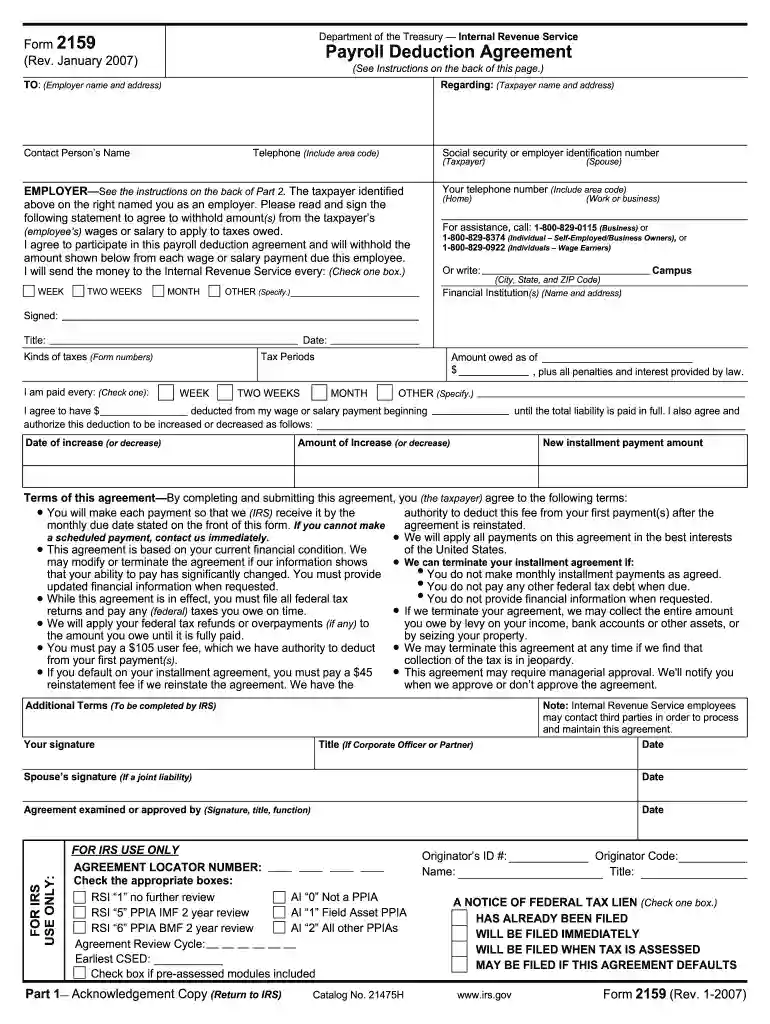
The Wapmonxxxxx 2007 Form is a specialized tool used primarily for documenting payroll deductions and agreements between employers and employees in the United States. This form facilitates the withholding of certain amounts from an employee's wages, which are then used to settle specific obligations, such as tax liabilities or other financial commitments. The form serves as a crucial document in ensuring that both parties understand their responsibilities concerning payment schedules, agreement terms, and legal compliance.
Acquiring the Wapmonxxxxx 2007 Form can be done through several methods. Typically, employers provide this form to employees as part of their onboarding process or during financial reviews. Employees can also request the form directly from their employer's payroll or HR department. In some cases, the form may be available on the company's internal portal or directly from a government or financial institution's website, especially if it's utilized for specific regulatory compliance.
Completing the Wapmonxxxxx 2007 Form involves several key steps to ensure accuracy and compliance with legal standards.
Review Personal Information:
Specify Deduction Details:
Employer Information:
Signatures:
Submit for Approval:
Utilizing the Wapmonxxxxx 2007 Form is vital for maintaining clear communication and agreements between employers and employees regarding financial deductions. It provides several advantages:
Various parties may find themselves using the Wapmonxxxxx 2007 Form, particularly those in employment where wage deductions are necessary.
The form comprises several critical sections that capture necessary information:
The Wapmonxxxxx 2007 Form must be completed accurately to avoid legal pitfalls. Both parties should understand the obligations set forth in the document:
An employee facing outstanding tax liabilities may use the Wapmonxxxxx 2007 Form to authorize regular payroll deductions to settle these debts with the IRS.
Employers offering health or retirement benefits might use this form to facilitate employee contributions efficiently.
While the form is used nationwide, certain states may have unique provisions or requirements.
Failing to comply with the terms outlined in the Wapmonxxxxx 2007 Form can lead to significant repercussions.
By understanding the depth and application of the Wapmonxxxxx 2007 Form, employers and employees can ensure they are using this tool effectively within legal and operational frameworks.
We've got more versions of the wapmonxxxxx 2007 form form. Select the right wapmonxxxxx 2007 form version from the list and start editing it straight away!
Microsoft Word doesn’t have signing tools to generate valid eSignatures and enforceable forms. Luckily, DocHub is an online eSignature-compliant editor that supports different file formats, such as .doc files. Log in to your account and import the Word edition of your wapmonxxxxx 2007 form from your device and cloud, or URL - our editor will automatically convert it into an editable PDF. Make all essential changes in your form and click Sign to generate your own legally-binding electronic signature. You will find four signing options from which to choose.
You need only a web connection and a browser to fill out your wapmonxxxxx 2007 form by using an iOS phone. Open the DocHub website and authenticate. Then, add your file or choose it from the list in your dashboard. Then use our editing tools to fill out your form and preserve all your adjustments. You may also send it to a dedicated recipient straight away.
At DocHub, your data security is our priority. We follow HIPAA, SOC2, GDPR, and other standards, so you can work on your documents with confidence.


